
RDC: Minister Ombae Unveils National Framework for VBG Victims
Summary
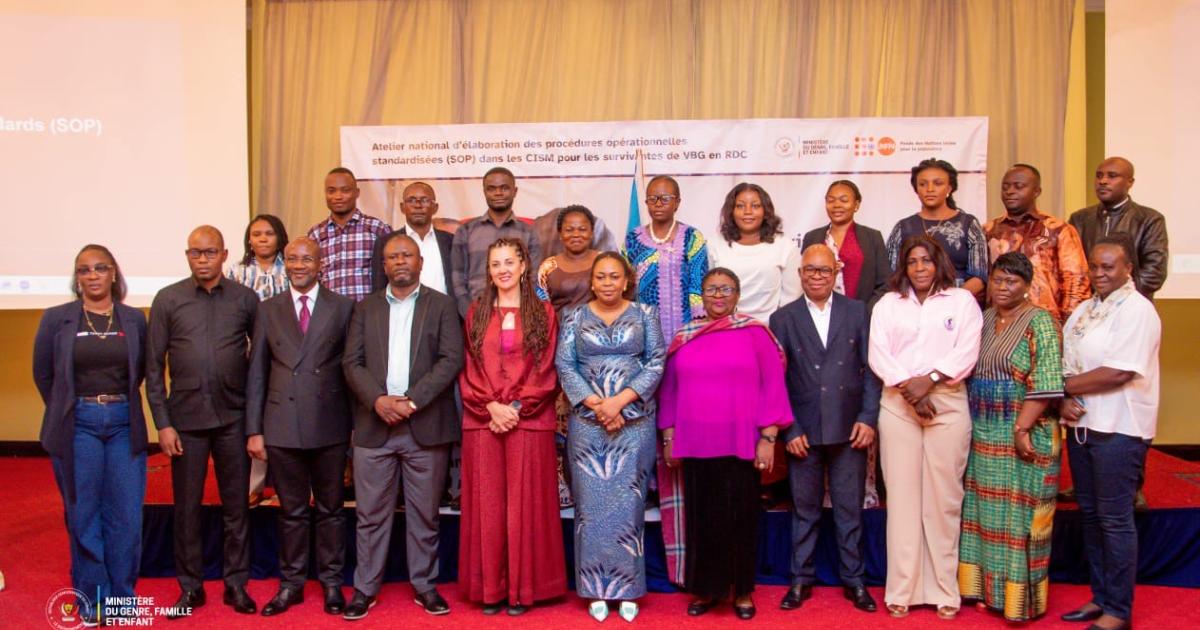
- The Minister of Gender, Family and Child, Micheline Ombae, announced a new National Consultation Framework in the Democratic Republic of Congo.
- This framework aims to strengthen the coordination and operation of Integrated Multisectoral Service Centers (CISM).
- The primary goal is to harmonize the care provided to victims of gender-based violence (VBG) across the country.
- The announcement was made on Thursday, November 12, 2026, signaling a significant government initiative.
- The framework seeks to ensure a more cohesive and effective approach to VBG victim support.
New Framework for VBG Victim Support
The `RDC cadre national VBG victimes` is envisioned as a pivotal mechanism to streamline and strengthen the various services available across the country, ensuring a more cohesive and effective approach to victim care and recovery.
The Democratic Republic of Congo is set to introduce a significant new initiative aimed at improving the support infrastructure for victims of gender-based violence (VBG). Micheline Ombae, who serves as the Minister of Gender, Family and Child, recently announced the forthcoming establishment of a National Consultation Framework, or `Cadre national de concertation RDC`. This development signals a concerted effort by the `ministère Genre Famille Enfant RDC` to address the complex challenges associated with VBG.
The announcement, made on Thursday, November 12, 2026, highlights the government's commitment to enhancing the response mechanisms for those affected by violence. The `RDC cadre national VBG victimes` is envisioned as a pivotal mechanism to streamline and strengthen the various services available across the country, ensuring a more cohesive and effective approach to victim care and recovery.
Strengthening Multisectoral Services
A primary objective of this newly proposed `Cadre national de concertation RDC` is to bolster the operational efficiency and coordination among the existing Integrated Multisectoral Service Centers (CISM). These `Centres intégrés services multisectoriels VBG` play a crucial role in providing comprehensive support to victims, encompassing medical, psychological, legal, and social assistance. By reinforcing their functioning and inter-agency collaboration, the framework aims to create a more robust and accessible support system.
The initiative underscores the recognition that effective `harmonisation prise en charge VBG RDC` requires a unified strategy that transcends individual service providers. The Minister's statement emphasized the need for a coordinated approach to ensure that victims receive consistent, high-quality care, regardless of where or when they seek assistance. This strategic integration is expected to reduce fragmentation and improve overall outcomes for survivors of gender-based violence.
Why This Matters
The introduction of a national framework for VBG victim care in the DRC carries substantial implications for both the victims themselves and the organizations dedicated to their support. By focusing on the `harmonisation prise en charge VBG RDC`, the government aims to standardize practices and ensure that all `RDC cadre national VBG victimes` receive equitable and comprehensive assistance. This move is particularly vital in a country where gender-based violence remains a pervasive issue, often exacerbated by conflict and socio-economic vulnerabilities.
For legal professionals and compliance officers operating within the DRC, this development warrants close attention. The `Cadre national de concertation RDC` is likely to introduce new guidelines, protocols, or even regulatory requirements that will impact how organizations involved in VBG prevention, reporting, and support operate. Understanding and adapting to these forthcoming changes will be crucial for ensuring compliance and effectively advocating for the rights and needs of survivors, thereby reinforcing the impact of initiatives led by figures like `Micheline Ombae VBG RDC` and the `ministère Genre Famille Enfant RDC`.
Practical Implications
Lawyers and compliance officers in the DRC should monitor the development and implementation of this national framework, as it is likely to introduce new coordination mechanisms, service standards, or legal guidelines for organizations involved in the prevention, reporting, or support of gender-based violence victims, potentially impacting compliance requirements or advocacy strategies.
Source
How does this affect you?
Get an AI analysis of this article grounded in your jurisdictions, practice areas, and any policy documents you've uploaded to Wansom.
Finish Reading the Full Story and the Expert Analysis.
Get the latest legal & regulatory intelligence in DR Congo
Wansom is AI and can make mistakes.