
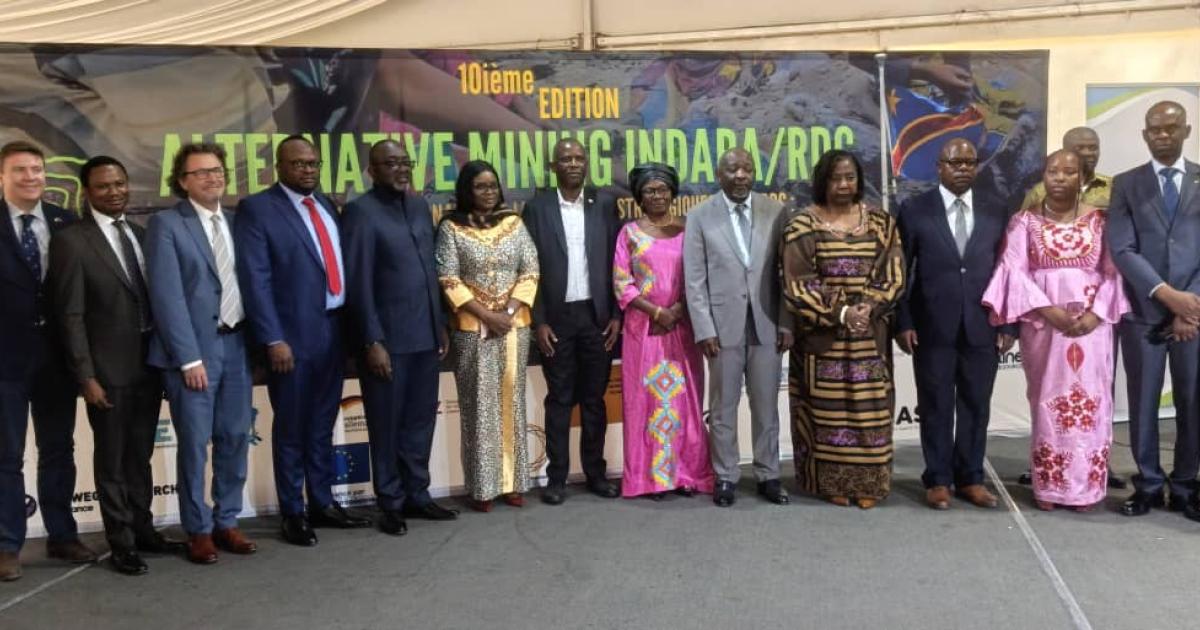
RDC: Accords Minerais Stratégiques Indaba Focuses on Equitable Wealth
Summary
- The 10th Alternative Mining Indaba in the DRC focused on strategic mineral agreements.
- The event, held on October 28, 2026, aimed to discuss how the DRC's mineral wealth can better benefit its population.
- Discussions centered on enhancing transparency and accountability in mineral contracts.
- The forum explored ways to ensure more wealth from strategic minerals remains within the country.
- Outcomes may signal future legislative changes or new compliance requirements for mining operations in the DRC.
What Happened
For legal professionals and compliance officers operating within or engaging with the DRC's mining industry, the outcomes and ongoing dialogue from the Alternative Mining Indaba are particularly relevant.
The Democratic Republic of Congo recently hosted the tenth iteration of the Alternative Mining Indaba (AMI), a significant forum for discussing critical issues within the nation's mining sector. This particular gathering, held on October 28, 2026, placed a primary emphasis on the various agreements pertaining to strategic minerals within the RDC. The discussions at this Alternative Mining Indaba RDC were designed to scrutinize how these vital resources are managed and distributed, reflecting a broader national ambition to harness mineral wealth more effectively.
A central inquiry guiding the proceedings of the 10th AMI revolved around a fundamental question: how can the vast mineral wealth of the Democratic Republic of Congo be leveraged more effectively to benefit its populace? This query underscores a persistent concern regarding the equitable distribution of profits derived from the country's rich subsoil assets. The focus on RDC accords minerais stratégiques Indaba highlights the ongoing efforts to reform and optimize the legal and operational frameworks governing these lucrative commodities, ensuring they contribute meaningfully to societal progress.
The Focus on Strategic Mineral Agreements
The specific concentration on strategic mineral agreements at the AMI reflects their profound impact on the DRC's economic landscape and the livelihoods of its citizens. These agreements, which often involve complex negotiation contracts miniers Congo, dictate the terms under which valuable resources are extracted, processed, and exported. The dialogue at the Indaba aimed to dissect the current structures of these contracts, seeking avenues to enhance transparency, accountability, and ultimately, the tangible returns for the Congolese people from their natural endowments.
Discussions likely encompassed various aspects of existing and future agreements, including revenue sharing mechanisms, local content requirements to foster domestic industry, robust environmental protections, and fair labor standards. The overarching goal was to identify mechanisms that would ensure a greater portion of the wealth generated from strategic minerals remains within the country, contributing directly to national development, infrastructure improvement, and poverty reduction. This critical examination of current practices is essential for shaping future policy directions related to minerais stratégiques RDC législation, aiming for more beneficial outcomes for the nation.
Implications for the DRC and Beyond
The deliberations at the 10th Alternative Mining Indaba carry substantial weight for the future of the Democratic Republic of Congo's mining sector. By placing strategic mineral agreements at the forefront, the forum signals a continued commitment to re-evaluating and potentially restructuring the framework governing these crucial resources. Such discussions are vital for shaping the future of droit minier RDC, potentially leading to legislative adjustments or new regulatory guidelines designed to maximize national benefit and ensure sustainable exploitation of resources. The emphasis on how mineral wealth can better serve the population suggests a proactive stance towards resource governance.
For legal professionals and compliance officers operating within or engaging with the DRC's mining industry, the outcomes and ongoing dialogue from the Alternative Mining Indaba are particularly relevant. These discussions may foreshadow upcoming legislative changes, increased pressures for renegotiation of existing contracts, or the introduction of new compliance requirements for mining operations in the region. Monitoring these developments is crucial for anticipating shifts in the regulatory environment and ensuring continued adherence to evolving national priorities regarding its strategic mineral wealth, thereby mitigating potential legal and operational risks.
Practical Implications
Lawyers and compliance officers should monitor discussions and outcomes from the Alternative Mining Indaba regarding strategic mineral agreements in the DRC, as these may signal upcoming legislative changes, renegotiation pressures on existing contracts, or new compliance requirements for mining operations in the region.
Source
How does this affect you?
Get an AI analysis of this article grounded in your jurisdictions, practice areas, and any policy documents you've uploaded to Wansom.
Finish Reading the Full Story and the Expert Analysis.
Wansom is AI and can make mistakes.