
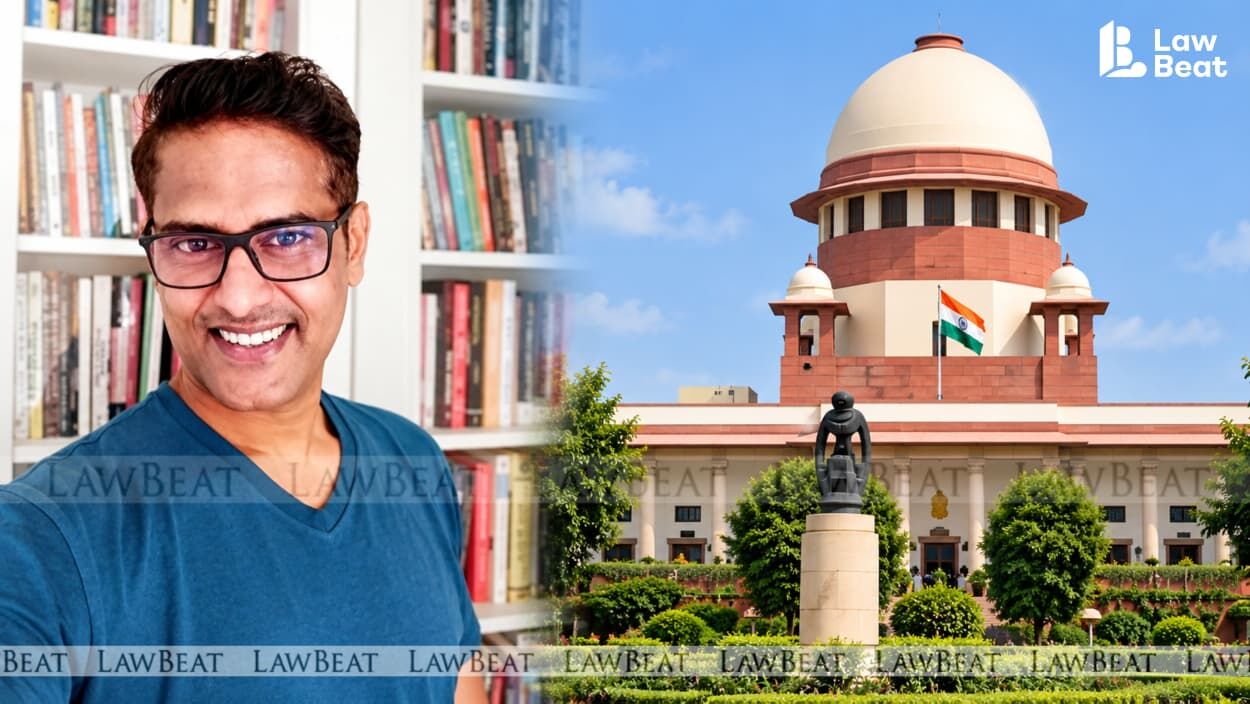
Supreme Court: Ravi Nair Adani Defamation Custody Mentioning Declined
Summary
- Journalist Ravi Nair is in custody following a non-bailable warrant in a criminal defamation case filed by Adani Enterprises.
- Nair moved the Supreme Court after the Gujarat High Court denied him interim relief against the warrant.
- The defamation case stems from Nair's social media posts between 2020 and 2021 concerning the Adani Group.
- A Gandhinagar magistrate court had convicted Nair in February and sentenced him to one year in prison.
- Nair's custody resulted from his failure to appear at a September 3 hearing for his appeal, violating a bail condition.
Overview of the Custody and Supreme Court Move
The High Court, however, declined to grant interim relief, noting that the matter had already been heard and reserved for dictation, thus deeming no immediate relief necessary.
Journalist Ravi Nair has approached the Supreme Court of India, seeking release from judicial custody in connection with a criminal defamation case initiated by Adani Enterprises Limited. This urgent plea follows the Gujarat High Court's refusal to grant him interim relief against a non-bailable warrant (NBW) that led to his detention. The Supreme Court recently heard an urgent mentioning regarding Nair's situation, which stems from a series of posts he published on the social media platform X.
Nair's legal challenge before the apex court takes the form of a Special Leave Petition (SLP), specifically contesting the Gujarat High Court's decision to deny him temporary relief. Notably, the Chief Justice of India (CJI) Kant declined to entertain the urgent mentioning made on Nair's behalf. The journalist's current custody began on September 17, after a Gandhinagar court issued the NBW due to his failure to attend a hearing related to his appeal against a prior conviction in the defamation matter.
Background of the Defamation Case and Conviction
The underlying legal dispute originates from a criminal defamation complaint filed by Adani Enterprises. The company alleged that Nair published and disseminated false and defamatory statements against the Adani Group through a series of posts on X, spanning from October 2020 to July 2021. These posts reportedly touched upon various subjects, including allegations made by US-based short seller Hindenburg Research and a labor strike concerning the proposed privatization of the Jawaharlal Nehru Port Trust. Adani Enterprises maintained that these posts were not legitimate criticism or fair comment but were instead intended to damage its reputation among the public and investors.
A magistrate court in Gandhinagar found Nair guilty on February 10, subsequently sentencing him to one year of imprisonment. The court's ruling emphasized that as a journalist and public commentator, Nair was expected to be mindful of the reach and impact of his statements on digital platforms, particularly when making categorical allegations that could affect reputations. Following this conviction, Nair appealed the decision before the Gandhinagar appellate court, which granted him bail on March 9. A key condition of his bail was the requirement for his personal presence during subsequent appeal hearings.
The Non-Bailable Warrant and High Court Proceedings
The immediate cause of Nair's recent custody was his absence from an appellate court hearing on September 3, which prompted the issuance of the non-bailable warrant. Nair subsequently challenged this NBW before the Gujarat High Court, requesting his release from judicial custody. During the High Court proceedings, Justice M K Thakker reserved the order concerning Nair's challenge to the warrant, indicating that the decision would be dictated on September 30. Nair's counsel pressed for his release from custody while awaiting the pronouncement of this order.
However, the High Court declined to grant interim relief, noting that the matter had already been heard and reserved for dictation, thus deeming no immediate relief necessary. The court also observed that Nair could not challenge an NBW after it had already been executed. Furthermore, the High Court took note of the fact that Nair had separately sought regular bail from the Sessions Court but had not disclosed this development during the High Court proceedings. Nair's legal representative argued that he had appeared for three out of eight appeal hearings and had also received an exemption from personal appearance on another occasion, disputing the Sessions Court's assertion that he had failed to appear for six months or was "absconding." Counsel for Adani Enterprises countered, asserting that Nair's conduct before the appellate court was pertinent to the ongoing proceedings and that his appearance in March was solely for the execution of his bail bonds. Nair is slated to remain in judicial custody until the High Court delivers its order on September 30.
Implications for Journalists and Legal Process
This case highlights the significant challenges faced by individuals, particularly journalists, when confronted with criminal defamation charges in India, especially when powerful corporate entities are involved. The procedural intricacies, such as the strict adherence to bail conditions requiring personal appearance, carry severe consequences, as evidenced by the issuance of a non-bailable warrant and subsequent custody. The High Court's stance on not granting interim relief once a matter is reserved for order also underscores a critical aspect of judicial procedure that can impact a litigant's immediate liberty.
The ongoing legal battle, culminating in a Supreme Court appeal, illustrates the protracted and complex nature of such disputes and the various legal avenues pursued by parties. It underscores the severe implications for individuals facing criminal defamation charges in India, particularly when large corporations are involved, and the procedural challenges in obtaining interim relief once a matter is reserved for order.
Practical Implications
This case underscores the severe implications for individuals, particularly journalists, facing criminal defamation charges in India, especially when large corporations are involved. Lawyers should advise clients on the critical importance of strict adherence to court appearance requirements post-bail to avoid non-bailable warrants and subsequent custody, and be prepared for aggressive legal strategies by corporate plaintiffs. It also highlights the procedural challenges in obtaining interim relief once a matter is reserved for order.
Source
How does this affect you?
Get an AI analysis of this article grounded in your jurisdictions, practice areas, and any policy documents you've uploaded to Wansom.
Finish Reading the Full Story and the Expert Analysis.
Get the latest legal & regulatory intelligence in India
Wansom is AI and can make mistakes.