
Ravatomanga Family: Madagascar Tomb Perquisition Legality Challenged
Summary
- Malagasy judicial authorities reportedly conducted a search of businessman Mamy Ravatomanga's family tomb on November 26, 2026.
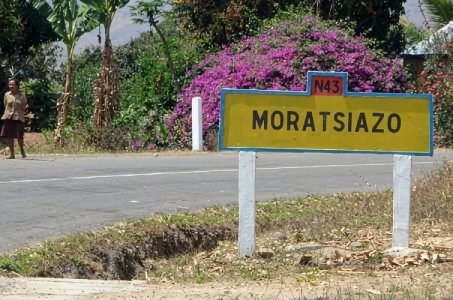
- The search occurred in Moratsiazo, Soamahamanina, within Madagascar's Itasy region.
- Ravatomanga's family, through their lawyers, has demanded explanations and questioned the legality of the tomb perquisition.
- Mamy Ravatomanga is currently incarcerated in Mauritius.
- The incident raises significant questions about the scope of judicial warrants and due process in Madagascar.
The Tomb Search Incident
The decision by Mamy Ravatomanga judicial authorities to conduct a search within an ancestral tomb, a site typically revered and considered inviolable, is an extraordinary measure that could establish a contentious precedent for future investigative actions across Madagascar.
Malagasy businessman Mamy Ravatomanga, who is currently incarcerated in Mauritius, has become the focus of a new controversy involving his family in Madagascar. His relatives are now seeking clarification from the Malagasy judicial authorities following a reported search of the family's ancestral tomb. This highly unusual operation, described as a perquisition, allegedly took place on Thursday, November 26, 2026.
The specific location of this perquisition tombeau familial Ravatomanga has been identified with precision. It reportedly occurred in the fokontany of Moratsiazo, which is part of the commune of Soamahamanina, situated within the Miarinarivo district of the Itasy region. This Soamahamanina Moratsiazo search has drawn considerable attention due to the nature of the site involved, prompting immediate and strong reactions from the businessman's family and their legal representatives.
Legal Challenges and Family Demands
In the wake of the reported search, the family of Mamy Ravatomanga has publicly called upon the Malagasy judicial authorities to provide comprehensive explanations for their actions. This demand for accountability was formalized through a statement issued by the family's legal counsel. The Ravatomanga lawyers statement was released on Friday, November 27, just one day after the alleged incident at the tomb.
Within their official communication, the legal representatives explicitly voiced profound concerns regarding the legality and justification of the intervention. The lawyers' questioning of the operation's lawfulness highlights a potential dispute over the boundaries of judicial authority, particularly when applied to culturally significant and non-traditional locations such as a family tomb. This challenge underscores the family's belief that the search may have exceeded permissible legal parameters.
Broader Implications for Malagasy Justice
The incident surrounding the Ravatomanga family tomb perquisition Madagascar raises significant and far-reaching questions concerning the scope of judicial power and the principles of due process within the nation's legal system. The decision by Mamy Ravatomanga judicial authorities to conduct a search within an ancestral tomb, a site typically revered and considered inviolable, is an extraordinary measure that could establish a contentious precedent for future investigative actions across Madagascar.
The Madagascar tomb search legality is now under intense scrutiny, prompting legal experts and the public alike to examine the specific legal frameworks that either permit or restrict such highly sensitive operations. This event emphasizes the critical need for transparency, strict adherence to legal protocols, and clear accountability from judicial bodies when executing warrants, especially those that extend into areas of deep cultural and personal significance. The ultimate resolution of this legal challenge could profoundly influence how judicial warrants are interpreted and applied in Madagascar moving forward, particularly regarding searches of non-traditional or sacred sites, potentially shaping future defense strategies against perceived judicial overreach.
Practical Implications
This incident highlights potential challenges to the scope and legality of judicial search warrants in Madagascar, particularly when applied to non-traditional locations like family tombs. Lawyers should monitor the outcome of this case for precedents regarding due process and the limits of state power during investigations, which could inform future defense strategies against perceived judicial overreach.
Source
How does this affect you?
Get an AI analysis of this article grounded in your jurisdictions, practice areas, and any policy documents you've uploaded to Wansom.
Finish Reading the Full Story and the Expert Analysis.
Get the latest legal & regulatory intelligence in Madagascar
Wansom is AI and can make mistakes.