
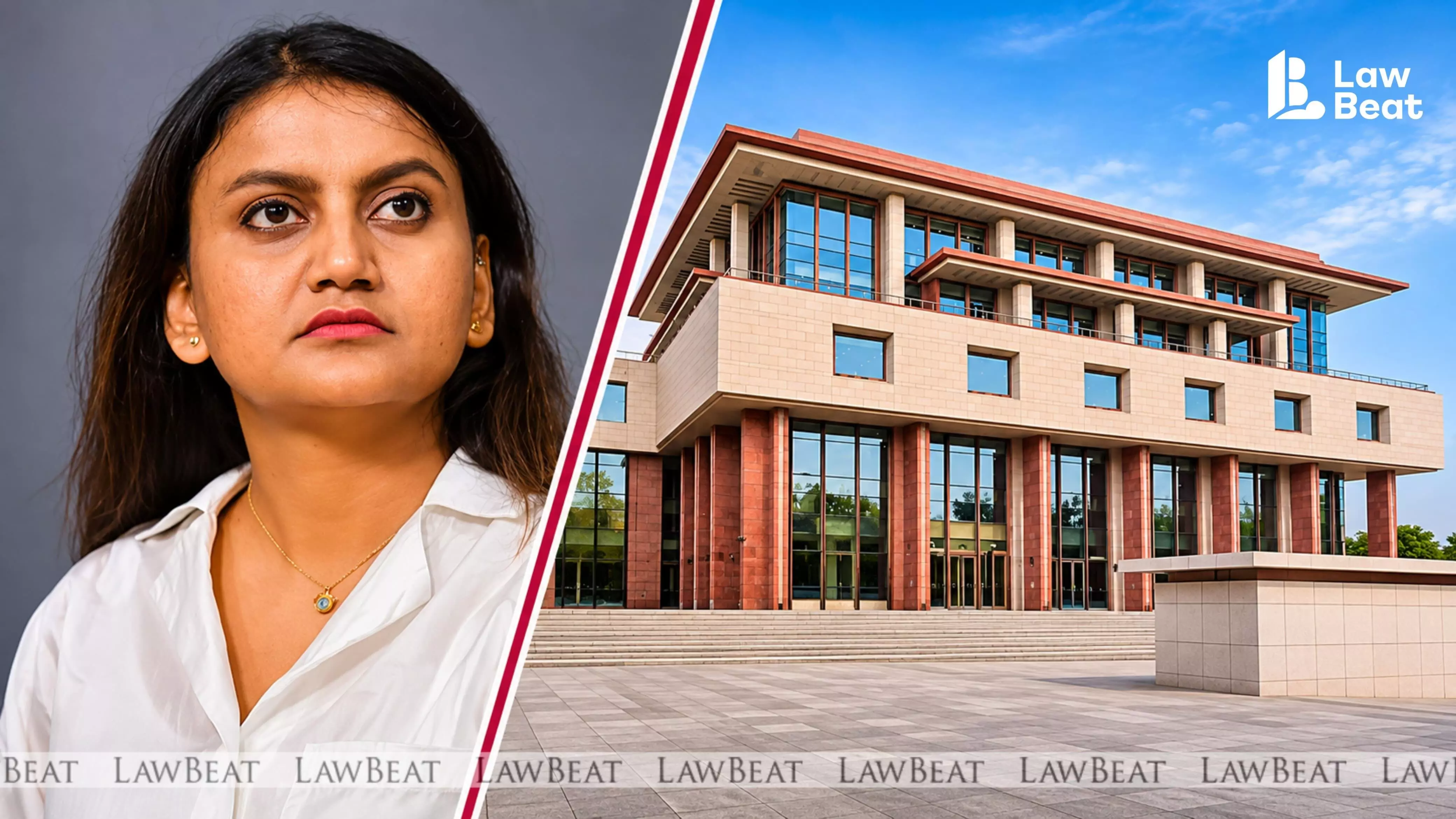
Delhi High Court: Ratna Singh Faces Criminal Contempt Plea Over X Posts
Summary
- A criminal contempt plea has been filed in the Delhi High Court against Ratna Singh, CJP Legal Head, over her X posts.
- The plea alleges Singh's posts, claiming a Saket Chief Judicial Magistrate was 'serving the master,' undermine judicial independence.
- Amol Sinha, Additional Standing Counsel for the Delhi Government, provided written consent, stating the posts prima facie attract Section 2(c)(i) of the Contempt of Courts Act, 1971.
- The petitioner, Advocate Kausik Chatterjee, argues the allegations, made without disclosed factual foundation, lower the court's authority.
- The legal action invokes Article 215 of the Constitution and various sections of the Contempt of Courts Act, 1971.
Criminal Contempt Proceedings Initiated
Such an allegation, when publicly made without any disclosed factual foundation, is deemed capable of diminishing the court's authority and eroding public confidence in the administration of justice.
A criminal contempt plea has been lodged with the Delhi High Court against Ratna Singh, who identifies herself as a lawyer and the Legal Affairs Head of the Cockroach Janta Party (CJP) on the social media platform X. The petition, dated November 16, seeks to initiate proceedings based on Singh's X posts, which allegedly claimed a Saket Chief Judicial Magistrate was acting under external influence. Advocate Kausik Chatterjee, a member of the Delhi High Court Bar Association, filed the plea through Advocates Samridhi Solanki and Megha Aggarwal of K Chatterjee Legal Consultants LLP.
The core of the complaint stems from posts made by Singh following a hearing on October 10, 2026, before Chief Judicial Magistrate Abhinav Pandey of the South-East District, Saket Courts. These proceedings, according to the Law Officer's opinion, concerned Singh's alleged detention by the Delhi Police, where the relief she sought was denied. Chatterjee explicitly stated that he holds no personal interest or stake in the matter and was not a party to the original proceedings that prompted Singh's social media activity.
Allegations of Undermining Judicial Authority
Following the court's decision, Ratna Singh posted from her X handle, @wattalawyer, stating: "Judge serving the master. Went for break/meeting 4 times during entire hearing. Order without any application of law." A subsequent post read: "@DelhiPolice is following order from master. Judge is following order from master." The contempt petition clarifies that it does not dispute Singh's right to criticize a judicial order or express dissatisfaction with the conduct of proceedings.
Instead, the objection is specifically directed at the allegation that the judicial officer was "serving" or "following" a "master." The petitioner contends that these statements imply the learned Judicial Officer was operating under the direction or influence of an unidentified external authority, rather than performing judicial functions independently and in accordance with the law. This distinction is crucial to the legal challenge.
Legal Basis and Official Endorsement
Such an allegation, when publicly made without any disclosed factual foundation, is deemed capable of diminishing the court's authority and eroding public confidence in the administration of justice. The petition further argues that because the posts identify the judicial officer through the proceedings he conducted, they cannot be dismissed as mere general comments about the judicial system's functioning. Crucially, Singh did not disclose any factual basis for her assertion regarding a "master."
The legal framework invoked by Chatterjee includes Article 215 of the Indian Constitution, read with Sections 2(c), 10, and 15 of the Contempt of Courts Act, 1971, and the Contempt of Courts (Delhi High Court) Rules, 2025. The plea received written consent from Amol Sinha, Additional Standing Counsel (Criminal) for the Government of NCT of Delhi, who, in his opinion dated November 2, determined that the imputations "prima facie attract the provisions of Section 2(c)(i) of the Contempt of Courts Act, 1971." Sinha framed the central question as whether the words, regardless of being discourteous, prima facie constitute a publication that scandalizes or tends to scandalize or lower the authority of a Court under Section 2(c)(i).
Practical Implications
This case serves as a critical reminder for legal professionals regarding the stringent boundaries of public criticism of judicial officers, particularly on social media platforms like X. Lawyers and compliance officers must understand that alleging judicial bias or impropriety without disclosed factual foundation can lead to criminal contempt proceedings under the Contempt of Courts Act, 1971, even if the intent is to criticize an order, potentially impacting their professional standing and practice.
Source
Source: Original reporting via Live Law
How does this affect you?
Get an AI analysis of this article grounded in your jurisdictions, practice areas, and any policy documents you've uploaded to Wansom.
Finish Reading the Full Story and the Expert Analysis.
Get the latest legal & regulatory intelligence in India
Wansom is AI and can make mistakes.