
Rasna NCLT Insolvency Withdrawal: Section 12A Approval Granted
Summary
- The NCLT Ahmedabad Bench approved the withdrawal of corporate insolvency proceedings against Rasna Private Limited.
- The withdrawal followed a settlement between Rasna and its operational creditor, Bharat Road Carrier Private Limited.
- The application for withdrawal was filed under Section 12A, read with Section 60(5), of the Insolvency and Bankruptcy Code, 2016.
- Rasna had been undergoing insolvency proceedings for over three years, initiated due to unpaid operational dues of ₹71,27,442 plus interest.
NCLT Approves Rasna's Insolvency Exit
This case clearly demonstrates the viability of utilizing Section 12A of the Insolvency and Bankruptcy Code to exit the CIRP, even after the formal admission of an insolvency petition, provided a mutual settlement is achieved with the operational creditor.
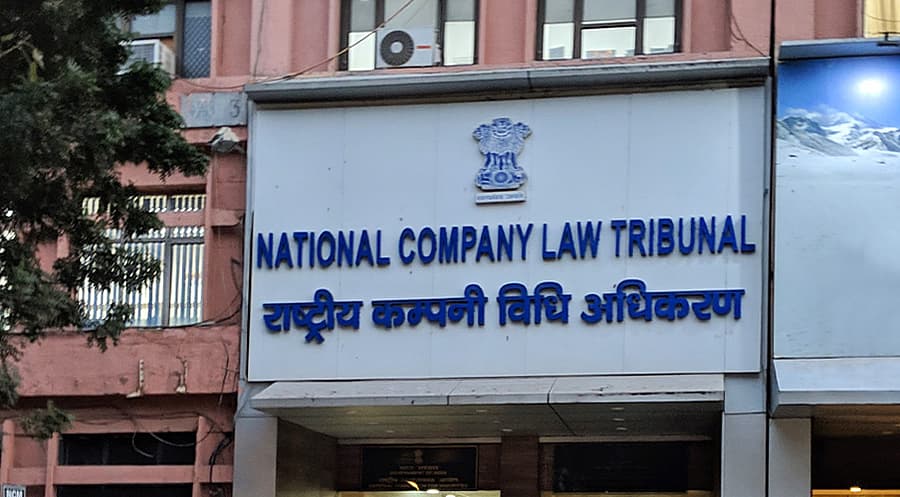
The Ahmedabad Bench of the National Company Law Tribunal (NCLT) recently approved the withdrawal of corporate insolvency resolution proceedings (CIRP) against Rasna Private Limited, a well-known manufacturer of beverage concentrates. This significant decision, orally pronounced by a coram comprising Judicial Member Shammi Khan and Technical Member Sanjeev Sharma, followed a successful settlement reached between Rasna and its operational creditor, Bharat Road Carrier Private Limited. The resolution brings an end to a process that Rasna had been undergoing for over three years, following the NCLT's admission of the insolvency petition on September 1, 2023.
The application for withdrawal was formally submitted by Interim Resolution Professional (IRP) Ravindra Kumar Goyal. This application invoked Section 12A, read in conjunction with Section 60(5) of the Insolvency and Bankruptcy Code (IBC), 2016, providing the legal framework for Rasna's exit from the corporate insolvency resolution process. The approval highlights a pathway for companies to resolve disputes and withdraw from insolvency proceedings even after they have been formally initiated and admitted.
The Legal Framework for Withdrawal
The successful withdrawal of Rasna Private Limited from its corporate insolvency resolution process hinged on specific provisions within the Insolvency and Bankruptcy Code (IBC), 2016. Central to this outcome is Section 12A of the IBC, which permits the party that initially filed for insolvency to seek a withdrawal of their application. This is permissible even after the application has been formally admitted by the NCLT, provided certain conditions are met. Crucially, such a withdrawal requires the approval of the Committee of Creditors (CoC) with a substantial 90% voting share, in addition to adherence to all prescribed procedural requirements.
Complementing Section 12A, Section 60(5) of the IBC grants broad powers to the National Company Law Tribunal. This subsection empowers the NCLT to adjudicate and dispose of any application or proceeding that is either brought by or against a corporate debtor. Together, these sections create a mechanism for corporate debtors like Rasna to exit the insolvency framework through a negotiated settlement, offering a crucial avenue for resolution outside of a full-blown liquidation or resolution plan.
Origin of the Insolvency Dispute
The corporate insolvency resolution process against Rasna Private Limited commenced with a petition filed by Bharat Road Carrier Private Limited in April 2019. Bharat Road Carrier, acting as an operational creditor, initiated the proceedings by alleging that Rasna had failed to clear outstanding operational dues. The total amount claimed by the creditor was ₹71,27,442, along with accrued interest.
This financial dispute originated from transportation services that Bharat Road Carrier provided to Rasna. These services were rendered over a period spanning from April 2017 to August 2018. The non-payment for these services ultimately led Bharat Road Carrier to approach the NCLT, setting in motion the three-year-long insolvency proceedings against the beverage concentrate manufacturer, which were formally admitted on September 1, 2023.
Implications for Corporate Debtors
The NCLT's decision to permit Rasna's withdrawal from its corporate insolvency resolution process establishes a significant precedent for other companies navigating financial distress. This case clearly demonstrates the viability of utilizing Section 12A of the Insolvency and Bankruptcy Code to exit the CIRP, even after the formal admission of an insolvency petition, provided a mutual settlement is achieved with the operational creditor. For corporate debtors and their legal advisors, this outcome underscores the strategic importance of engaging in early and effective settlement negotiations.
The successful resolution for Rasna, achieved through a settlement with Bharat Road Carrier, highlights a critical pathway for avoiding prolonged and potentially damaging insolvency proceedings. It reinforces the principle that the IBC, while designed for resolution, also offers mechanisms for withdrawal when parties can reach an amicable agreement. This outcome serves as a valuable lesson, emphasizing that a timely and well-negotiated settlement can facilitate a swift exit from the insolvency framework, preserving the corporate debtor's operations and value.
Practical Implications
This case provides a clear precedent for corporate debtors and their legal counsel on successfully utilizing Section 12A of the IBC to withdraw from the Corporate Insolvency Resolution Process (CIRP) even after admission, provided a settlement is reached with the operational creditor. Lawyers should advise clients on the strategic importance of early settlement negotiations to avoid prolonged insolvency proceedings and leverage this provision for a timely exit.
Source
How does this affect you?
Get an AI analysis of this article grounded in your jurisdictions, practice areas, and any policy documents you've uploaded to Wansom.
Finish Reading the Full Story and the Expert Analysis.
Get the latest legal & regulatory intelligence in India
Wansom is AI and can make mistakes.