
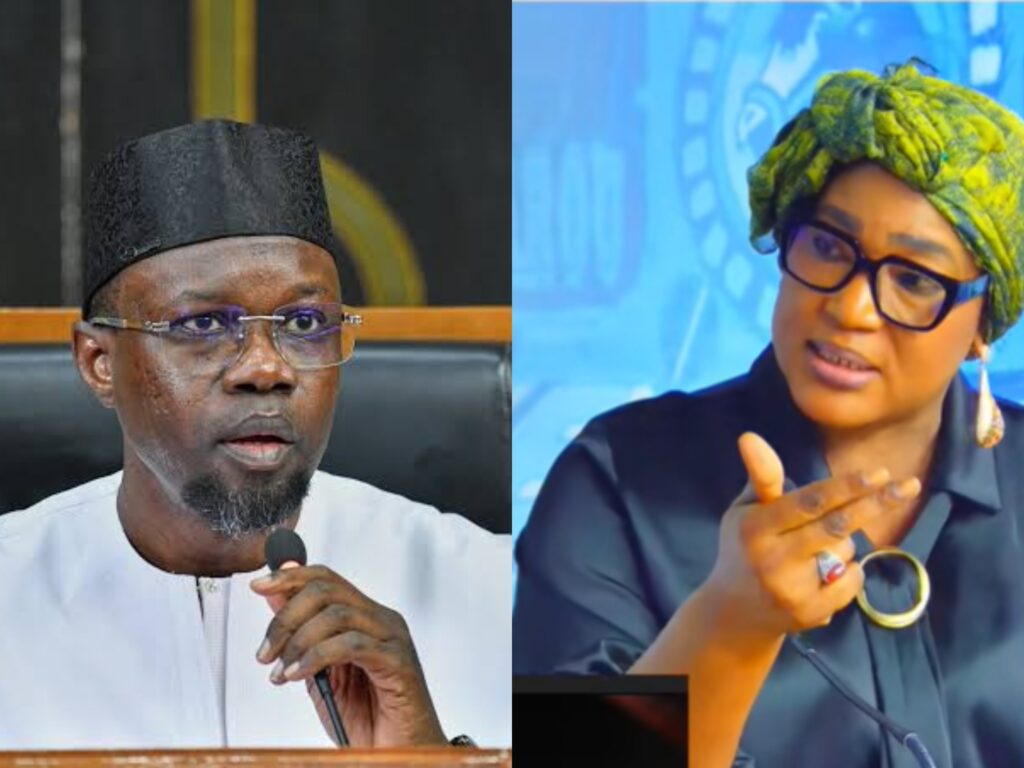
Rapport Mazars: Ousmane Sonko's Role Debated in Assemblée Sénégal
Summary
- The President of Senegal's National Assembly confirmed receiving the Forvis Mazars report in October while serving as Prime Minister.
- Deputy Mbéne Faye defended Ousmane Sonko's receipt of the report via an access code, not a download, and questioned the Assembly President's role in obtaining documents from the executive.
- The finance and budgetary control committee had requested the report, highlighting the distinction between legislative and executive institutions.
- The report's significance is tied to a proposed 555 billion FCFA reduction in state investments and a 112.8 billion FCFA increase in "hidden debt" repayment in the October 2026 revised finance bill.
- The FRAPP movement demanded the Mazars report and clarifications on the "hidden debt," whose origin and extent remain subjects of investigation and political debate.
Recent Parliamentary Debate
The debate surrounding the Mazars report, therefore, extends beyond mere access to a document; it touches upon the broader principles of legislative scrutiny and the executive's obligation to furnish information pertinent to national financial health and the 'dette cachée Sénégal Mazars'.
During a plenary session dedicated to the examination of the 2027 Finance Law (LFI 2027), the President of the National Assembly disclosed that he had received the Forvis Mazars report in October, at a time when he held the position of Prime Minister. This statement prompted a response from Deputy Mbéne Faye, who addressed the issue of the Mazars report's transmission to parliamentarians. She offered a defense of Ousmane Sonko's handling of the document, clarifying his position.
Mbéne Faye explained that Sonko had indicated he received the document along with an access code, rather than having downloaded it himself. This distinction was crucial in her argument. As the fourth vice-president of the National Assembly, Mbéne Faye raised questions concerning the accountability of the Assembly's President, particularly when the executive branch is requested to provide supplementary information or documents. Her intervention underscored the ongoing discussions surrounding the separation of powers within the Senegalese political landscape, especially regarding the Rapport Mazars Ousmane Sonko Assemblée Sénégal.
Institutional Responsibilities and Oversight
Deputy Mbéne Faye emphasized the fundamental separation between the executive and legislative institutions in Senegal. She argued that if parliamentarians had formally requested the Rapport Mazars from Ousmane Sonko during his tenure as Prime Minister, and he had subsequently declined to provide it, the legislative body would have had a clear basis for action. This perspective highlights the importance of established protocols for inter-institutional communication and document requests, especially concerning critical financial reports like the Rapport Forvis Mazars Sénégal audit.
The demand for the transmission of this specific report originated from the finance and budgetary control committee of the Assembly. This committee's role in parliamentary oversight is central to ensuring transparency and accountability in public finance. The debate surrounding the Mazars report, therefore, extends beyond mere access to a document; it touches upon the broader principles of legislative scrutiny and the executive's obligation to furnish information pertinent to national financial health and the 'dette cachée Sénégal Mazars'.
Financial Implications and Public Scrutiny
The significance of the Mazars report is underscored by its connection to critical financial adjustments outlined in the October 2026 revised finance bill. This legislative proposal projected a substantial reduction of 555 billion FCFA in state investments. Concurrently, the repayment of the principal amount for what is termed the "hidden debt" was slated to increase significantly, moving from 516.32 billion FCFA to 629.12 billion FCFA, representing an additional 112.8 billion FCFA. This proposed shift in financial priorities sparked considerable public and political concern.
In response to these figures and the lack of clarity, the FRAPP movement publicly demanded the full Mazars report and sought detailed explanations regarding the substantial increase in debt repayment. The origin and true magnitude of this "dette cachée Sénégal Mazars" have remained central to both ongoing investigations and intense political debates across Senegal. The discussions surrounding the LFI 2027 Sénégal débat and the broader contrôle budgétaire Assemblée Sénégal highlight the critical need for transparency in public financial management.
Practical Implications
This development highlights the ongoing debate in Senegal regarding the separation of powers and the executive's obligation to transmit critical financial reports, such as the Mazars report, to the legislative body. Lawyers advising on public finance, governance, or legislative compliance in Senegal should monitor these discussions for precedents on transparency, accountability, and the scope of parliamentary oversight concerning public debt and state investments.
Source
Source: Original reporting via Senegal7.
How does this affect you?
Get an AI analysis of this article grounded in your jurisdictions, practice areas, and any policy documents you've uploaded to Wansom.
Finish Reading the Full Story and the Expert Analysis.
Get the latest legal & regulatory intelligence in Senegal
Wansom is AI and can make mistakes.