
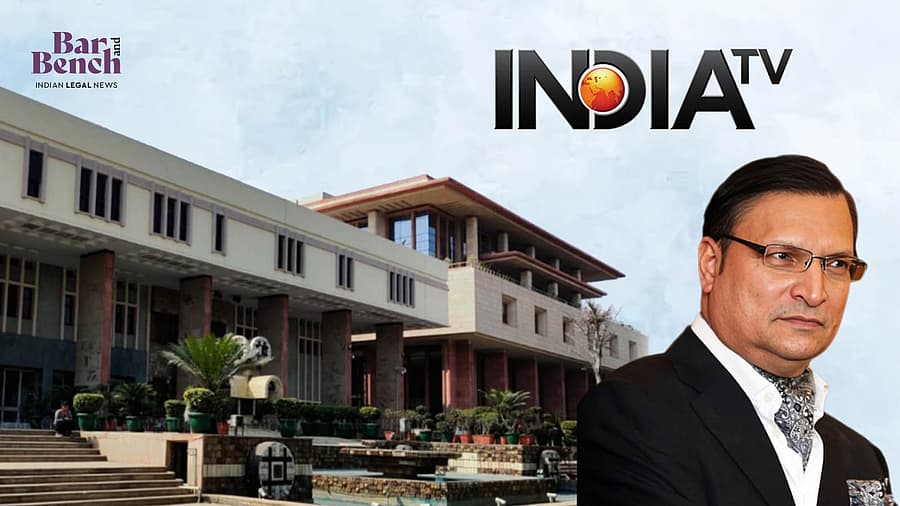
Delhi High Court: Rajat Sharma Personality Rights AI Deepfake Permanently Banned in India
Summary
- The Delhi High Court has permanently barred various online entities from circulating AI-generated deepfake videos and images of journalist Rajat Sharma and India TV.
- The ruling, issued by Justice Jyoti Singh on August 24, protects Sharma’s personality and publicity rights, as well as India TV’s intellectual property rights.
- Rajat Sharma and India TV had alleged infringement of rights, trademark misuse, copyright violations, and the spread of misinformation through doctored AI content.
- An ex parte interim order in December 2024 had previously directed Meta to block content and disclose defendant details, with government ministries also mandated to facilitate.
- This decision sets a significant precedent in India for safeguarding digital identities and intellectual property against the unauthorized use of artificial intelligence.
What Happened
This ruling from the Delhi High Court establishes a crucial precedent in India for protecting personality and intellectual property rights against misuse by AI-generated deepfakes.
The Delhi High Court has issued a definitive ruling, permanently prohibiting various online entities, individuals, and video channels from disseminating deepfake content featuring prominent journalist Rajat Sharma. This comprehensive injunction specifically bars the misuse of Sharma’s distinctive personality attributes and any unauthorized use related to India TV. The landmark decision, handed down by Justice Jyoti Singh on August 24, safeguards both Sharma’s individual personality and publicity rights, alongside the intellectual property rights associated with India TV. The case, formally titled Rajat Sharma Vs Tamara Doc, marks a significant legal victory against the unauthorized creation and distribution of AI-generated content.
The court's directive explicitly prevents the circulation of doctored videos and images that utilize artificial intelligence to create distorted or modified representations of Sharma. This includes alterations to his visual appearance, voice, and other identifiable personality traits. Furthermore, the ruling extends to protecting India TV from the unauthorized use of its registered trademarks and any infringement upon its copyrighted material. This broad prohibition aims to curb the spread of misinformation and protect public figures and media organizations from digital impersonation and brand dilution through advanced AI technologies.
Background to the Ruling
The legal proceedings were initiated by Rajat Sharma and India TV, who sought judicial intervention to protect their respective rights. Their petition outlined several key grievances, including the infringement of Sharma’s personality and publicity rights, the unauthorized use of India TV’s registered trademarks, and violations of its copyright. Additionally, the plaintiffs alleged misappropriation of goodwill and engagement in unfair trade practices by the defendants. The core of their complaint centered on the defendants' practice of spreading misinformation through sophisticated artificial intelligence-generated doctored videos.
These deepfake videos were characterized by their use of distorted and modified images, voices, and other personal attributes belonging to Sharma, creating a false impression. The plaintiffs also highlighted the unauthorized deployment of India TV’s registered trademarks and the infringement of its copyrighted content within these illicit materials. Prior to this permanent injunction, the High Court had already issued an ex parte interim order in December 2024. This earlier directive temporarily restrained several defendants from infringing upon Sharma’s personality and publicity rights and India TV’s intellectual property. As part of that interim order, Meta was instructed to block or remove the offending content and to disclose identifying details of the involved defendants. Both the Department of Telecommunications and the Ministry of Electronics and Information Technology were also mandated to facilitate these actions.
Broader Implications for Digital Rights
This ruling from the Delhi High Court establishes a crucial precedent in India for protecting personality and intellectual property rights against misuse by AI-generated deepfakes. The permanent injunction in the Rajat Sharma Vs Tamara Doc case underscores the judiciary's commitment to addressing the evolving challenges posed by artificial intelligence in the digital realm. By explicitly recognizing and enforcing the protection of publicity rights deepfake India, the court sends a clear message regarding the accountability of those who create or disseminate AI-generated content that infringes upon individual and corporate identities. This decision is particularly significant for media personality rights protection, offering a robust legal framework against digital impersonation and the spread of misinformation.
The comprehensive nature of the order, which covers personality attributes, trademarks, and copyrights, highlights the multifaceted legal avenues available for combating AI deepfake India. It serves as a strong indicator that courts are prepared to apply existing legal principles to novel technological threats, setting an important AI generated content legal precedent. The Delhi High Court deepfake injunction reinforces the idea that digital identities, much like physical ones, are subject to legal protection, compelling online platforms and individuals to exercise greater responsibility in their use of AI technologies. This outcome will undoubtedly influence future litigation concerning the unauthorized use of public figures' likenesses and intellectual property in the age of advanced generative AI.
Practical Implications
This ruling establishes a significant precedent in India for protecting personality and intellectual property rights against misuse by AI-generated deepfakes. Lawyers should advise clients, particularly public figures and brands, on proactive measures to safeguard their digital identity and intellectual property, and be prepared for potential litigation strategies against the unauthorized use of AI-generated content.
Source
How does this affect you?
Get an AI analysis of this article grounded in your jurisdictions, practice areas, and any policy documents you've uploaded to Wansom.
Finish Reading the Full Story and the Expert Analysis.
Wansom is AI and can make mistakes.