
India Supreme Court: Questions Medicine Pricing, DPCO Reach
Summary
- The Supreme Court has reserved its order on two petitions challenging medicine pricing in India.
- Justices questioned why 90% of medicines are outside the Drugs (Prices Control) Order (DPCO) and why prices favor manufacturers.
- The Court described the National Pharmaceutical Pricing Authority (NPPA) as "totally defunct."
- Specific examples highlighted a vast gap between medicine Maximum Retail Price (MRP) and retailer acquisition costs.
- The Centre argued India's drug prices are low globally and opposed full regulatory control, but the Court found its explanations unpersuasive.
Supreme Court Scrutinizes Medicine Pricing
The Supreme Court's impending order is anticipated to have substantial implications for the scope and enforcement of the DPCO, potentially reshaping the regulatory landscape for medicine pricing in India.
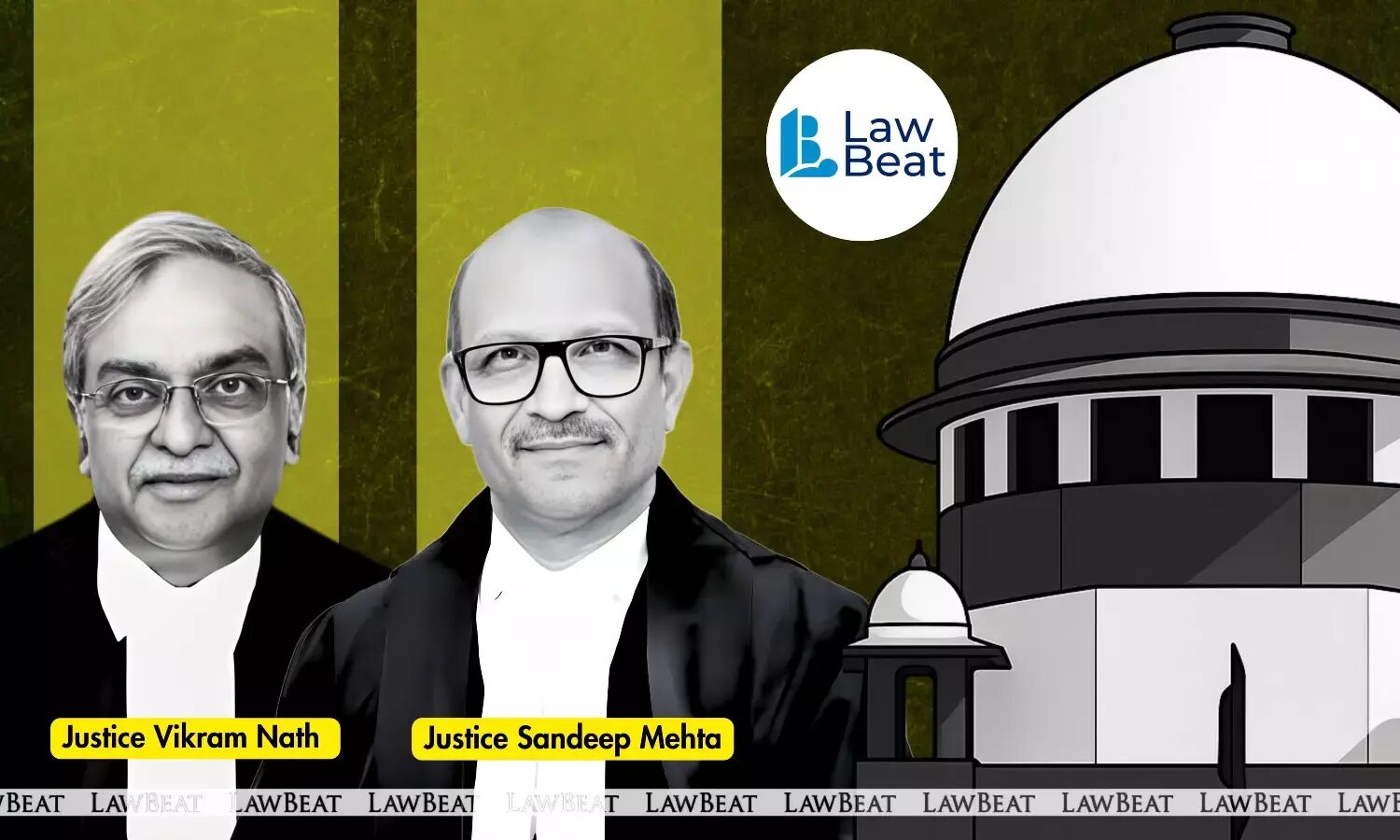
The Supreme Court of India has concluded hearings on two petitions concerning the pricing of medicines within the country, reserving its final order. During the proceedings, a bench comprising Justices Vikram Nath and Sandeep Mehta expressed significant concerns regarding the current drug pricing framework, particularly highlighting a substantial disparity between the maximum retail price (MRP) of medicines and the actual price paid by retailers. The Court directly questioned the Union Government on why this system appeared to favor pharmaceutical manufacturers over the general public, asking why the entire structure seemed to exist to benefit these entities.
A central point of contention raised by the Court was the limited reach of the existing regulatory mechanisms. Justices questioned why approximately 90% of all medicines currently fall outside the purview of the Drugs (Prices Control) Order (DPCO), a key instrument for regulating drug prices. This inquiry underscored a broader challenge to Indian drug price regulation, with the Court suggesting that the government was allowing these significant price discrepancies to persist unchecked. The bench explicitly stated that the government was aware of these issues, asking if such a situation should be permitted to "run amok."
Judicial Concerns and Government's Defense
Justice Sandeep Mehta, in particular, pressed the Centre for explanations regarding the vast difference in pricing, citing specific instances. One compelling testimony came from the husband of a cancer patient, who also works as a medical distributor. He recounted an incident where an injection available to him at a dealer price of ₹11,000 was allegedly marked up to ₹1.30 lakh by a reputable hospital, which then refused to administer the injection he offered to supply. Justice Mehta further illustrated the issue with an example of a drip line, which costs ₹15 at the retailer level but is sold for ₹250, directly questioning the very purpose of the DPCO if such discrepancies are prevalent and most drugs are unregulated.
The Additional Solicitor General (ASG) Aishwarya Bhati, representing the Centre, countered these concerns by asserting that India's medicine prices are among the lowest globally. The government's stance was that its policy does not advocate for bringing the entire pharmaceutical ecosystem under stringent regulatory control. While the Centre maintained that it was continuously adjusting drug prices, the Court found this explanation unconvincing, describing the calibration as "too wayward." Justice Mehta emphasized that the onus of justifying these wide price differences could not be left to the pharmaceutical industry alone, pointing out the inherent lack of bargaining power among patients.
Regulatory Gaps and Future Implications
Further compounding the Court's concerns was its assessment of the National Pharmaceutical Pricing Authority (NPPA), the statutory body responsible for drug price regulation. The bench described the NPPA as a "totally defunct" body, raising serious questions about the effectiveness of current oversight mechanisms. This observation, coupled with the fact that a vast majority of medicines remain outside the DPCO's scope, highlights a significant Indian drug price regulation challenge. Justice Mehta also brought to light a news report indicating ₹8,000 crore reportedly pending recovery from pharmaceutical manufacturers due to price discrepancies.
The Court's scrutiny extended to past findings, with Justice Mehta referencing three Parliamentary Committees that had investigated exorbitant medical pricing. He noted that the conclusions of these committees were "not very convenient to people who pull the strings," implying resistance from influential parties.
The Centre's reliance on pharmaceutical innovation as a justification for current pricing structures was also directly challenged by Justice Mehta. The Supreme Court's impending order is anticipated to have substantial implications for the scope and enforcement of the DPCO, potentially reshaping the regulatory landscape for medicine pricing in India.
Practical Implications
Lawyers advising pharmaceutical companies, healthcare providers, and consumer groups in India should closely monitor the Supreme Court's impending order. This ruling could significantly impact the scope and enforcement of the Drugs (Prices Control) Order (DPCO), potentially leading to new compliance obligations, pricing strategy adjustments, or increased regulatory scrutiny for a broader range of medicines.
Source
How does this affect you?
Get an AI analysis of this article grounded in your jurisdictions, practice areas, and any policy documents you've uploaded to Wansom.
Finish Reading the Full Story and the Expert Analysis.
Wansom is AI and can make mistakes.