
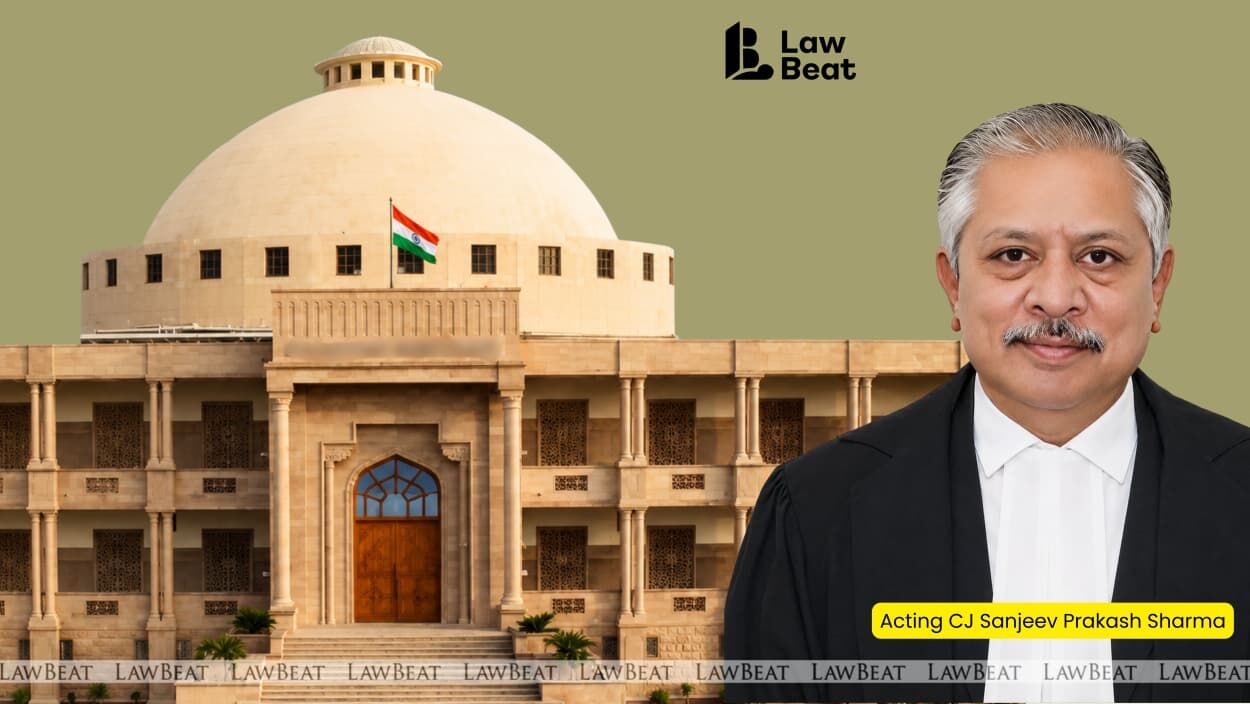
Rajasthan HC: Acting CJ Sharma Takes Leave Amidst Protests, Allegations
Summary
- Rajasthan High Court Acting Chief Justice Sanjeev Prakash Sharma has taken a three-day leave amid ongoing protests by lawyers demanding his removal and the appointment of a permanent Chief Justice.
- The leave coincides with an updated roster for the Jaipur Bench, indicating Justice Sharma will not hold judicial sittings from September 1 to September 5.
- The protests were triggered by serious allegations made by Supreme Court Justice Sandeep Mehta to CJI Surya Kant, concerning alleged favouritism and misuse of administrative powers by Justice Sharma.
- CJI Surya Kant acknowledged the concerns, stating the matter is being handled through established institutional mechanisms and emphasizing that allegations against a judge are not a finding of guilt.
- Specific allegations include threats of retaliatory transfers, improper listing of land appeals, vindictive conduct towards a judicial officer's spouse, and securing appointments for close associates.
Acting Chief Justice Takes Leave Amid Protests
The Chief Justice of India explicitly clarified that the mere existence of allegations does not, by itself, constitute a finding of guilt against the judge, and it is important to note that these allegations have not been adjudicated, nor has Justice Sharma been found guilty of any wrongdoing.
Justice Sanjeev Prakash Sharma, who serves as the Acting Chief Justice of the Rajasthan High Court, has commenced a three-day period of leave. This development unfolds amidst significant protests from legal practitioners across the state, who are demanding his removal from both judicial and administrative responsibilities, alongside calls for the appointment of a permanent Chief Justice to the High Court.
The updated judicial roster for the Jaipur Bench reflects this change, indicating that Justice Sharma will not preside over any judicial sittings between September 1 and September 5. Lawyers at both the Jaipur and Jodhpur Benches have actively participated in these protests, advocating for his immediate relief from his current duties. This widespread Rajasthan High Court lawyers protest highlights a growing discontent within the legal community regarding the state of judicial administration.
Allegations and Institutional Response
The current controversy, which has led to the Rajasthan HC Acting CJ Sharma leave, was ignited by a series of letters penned by Supreme Court Justice Sandeep Mehta to Chief Justice of India Surya Kant. Justice Sandeep Mehta's allegations detail serious concerns regarding the management of the Rajasthan High Court under Justice Sharma's leadership, including claims of favouritism, alleged misuse of administrative powers, and issues pertaining to case listings. Justice Mehta further urged the CJI to appoint a permanent Chief Justice from outside the Rajasthan High Court.
In response to these grave concerns, CJI Surya Kant acknowledged receipt of Justice Mehta's letters and affirmed that the matter is being addressed through established institutional mechanisms. The CJI emphasized that allegations against a sitting judge cannot be resolved through public discourse or competing claims in the media, stressing that the contents of the letters are not for public adjudication. He underscored the importance of due process, stating that Justice Sharma must be afforded a fair opportunity to present his response before any conclusions are drawn. The CJI explicitly clarified that the mere existence of allegations does not, by itself, constitute a finding of guilt against the judge, and it is important to note that these allegations have not been adjudicated, nor has Justice Sharma been found guilty of any wrongdoing.
Specific Claims Fueling the Controversy
Justice Mehta's communications to the CJI, dated August 2, 10, and 17, included specific instances contributing to the Indian judicial administration controversy. He reported that several judges had expressed distress over Justice Sharma's conduct, alleging that the Acting Chief Justice had threatened colleagues with retaliatory transfers while also asserting close ties to the CJI. Furthermore, Justice Mehta's letters highlighted appeals concerning valuable Udaipur land that were listed before a Jaipur bench led by Justice Sharma, despite his own previous ruling that matters pertaining to the principal seat of the High Court should not be transferred from Jodhpur to Jaipur.
The allegations also encompass a complaint from Justice Uma Shankar Vyas, detailing alleged vindictive behavior towards his wife, a senior judicial officer, and criticizing the delayed inauguration of a new court building in Jodhpur, which Justice Vyas termed an 'unpardonable loss.' Additionally, Justice Mehta cited a complaint made by Advocate Pooja Tripathi to Justice Vikram Nath, which claimed that Justice Sharma had facilitated permanent Lok Adalat appointments in Jaipur and Ajmer for close associates, including a childhood friend and the spouses of two district judges. Tripathi's complaint further alleged that four women advocates were recommended for elevation despite not being actively engaged in legal practice.
Judicial Tenure and Background
Justice Sanjeev Prakash Sharma was initially appointed as a judge of the Rajasthan High Court in November 2016. His judicial career subsequently involved transfers, first to the Patna High Court in 2022, and later to the Punjab and Haryana High Court. He eventually returned to Rajasthan, assuming the role of Acting Chief Justice under a Collegium resolution slated for May 2025. He has served in this capacity for over ten months, a period now marked by significant scrutiny and the recent Rajasthan High Court roster changes.
Practical Implications
Lawyers with matters before the Rajasthan High Court, especially the Jaipur Bench, should monitor updated rosters and potential disruptions to judicial sittings due to the Acting Chief Justice's leave. This development also underscores the institutional mechanisms for addressing allegations against sitting judges and the importance of due process.
Source
Source: Original reporting via Live Law
How does this affect you?
Get an AI analysis of this article grounded in your jurisdictions, practice areas, and any policy documents you've uploaded to Wansom.
Finish Reading the Full Story and the Expert Analysis.
Wansom is AI and can make mistakes.