
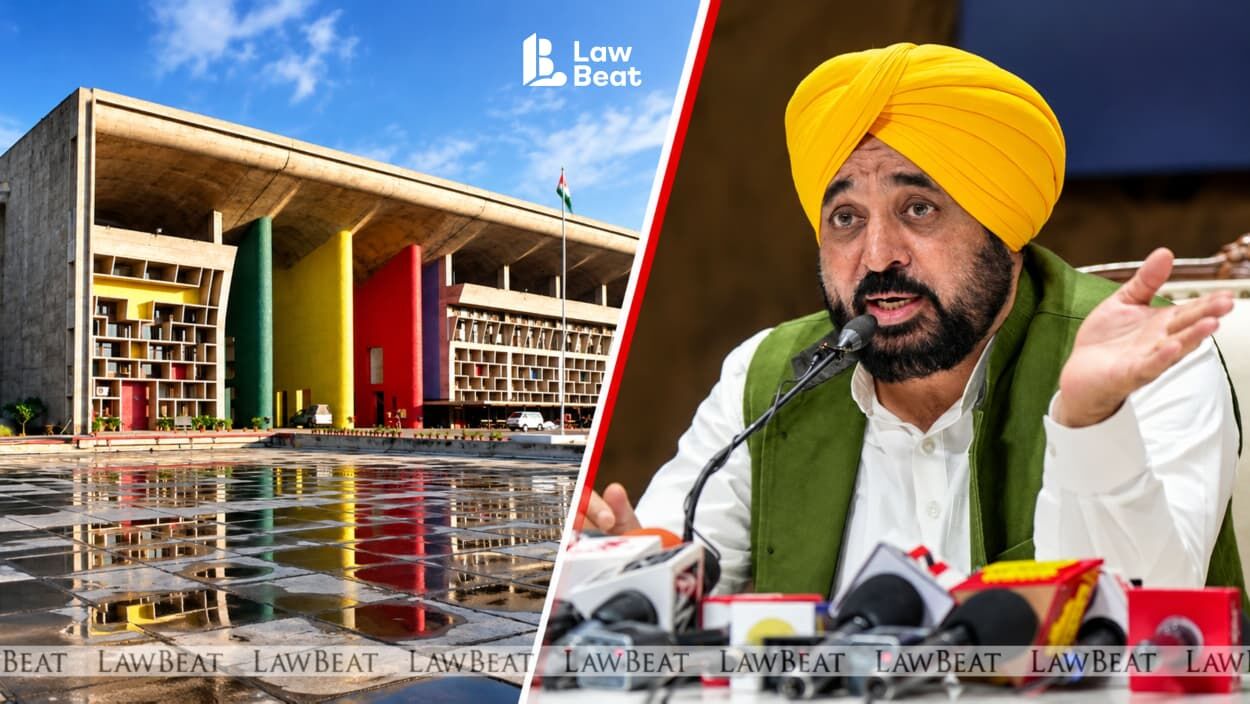
Punjab Haryana High Court: Bhagwant Mann France Visit Approved
Summary
- The Punjab and Haryana High Court permitted Chief Minister Bhagwant Mann to undertake a previously denied visit to France.
- The court's decision overruled the Ministry of External Affairs' refusal of political clearance for the Chief Minister's trip.
- CM Mann intended to promote Punjab's agricultural and food-processing products at the SIAL Paris 2026 exhibition.
- The Centre had cited security concerns, including potential threats from Khalistani elements, and the absence of a formal French government invitation as reasons for its denial.
- The Punjab government argued that the MEA's refusal was arbitrary, lacked justification, and violated the federal structure of the Constitution.
What Happened
This judicial intervention clarifies the scope of the Central government's power to deny political clearance for state officials' foreign travel, particularly for trade promotion, and establishes a precedent for judicial review of such denials based on federal structure principles.
The Punjab and Haryana High Court recently intervened to allow Chief Minister Bhagwant Mann's proposed visit to France, overturning a prior refusal of political clearance by the Ministry of External Affairs (MEA). This judicial decision, delivered by Justice Tribhuvan Dahiya on a Friday, cleared the path for the Chief Minister to attend an international food trade exhibition in Paris. The detailed reasoning and specific directives from the Court were anticipated following the ruling.
Chief Minister Mann, accompanied by Chief Secretary K.A.P. Sinha and Principal Secretary Ravi Bhagat, had planned to lead a delegation to France from October 15 to 21. The primary objective of this trip was to showcase and promote Punjab's agricultural and food-processing products in global markets. Their participation was specifically slated for SIAL Paris 2026, a significant international food trade exhibition scheduled to run from October 17 to 21.
Legal Challenge and Federal Structure
The Punjab government initiated legal proceedings after the MEA denied the necessary political clearance, asserting that the refusal was arbitrary and lacked proper justification. The state contended that its online application on the e-Political Clearance portal merely displayed "DENIED" without any accompanying explanation. This, Punjab argued, rendered the decision "non-speaking, arbitrary, without authority of law," and fundamentally violative of the Indian Constitution's federal structure, suggesting a pattern of selective treatment towards states governed by opposition parties.
In its defense, the Centre, represented by Additional Solicitor General Satya Pal Jain, submitted an affidavit outlining its objections. The primary concerns revolved around security, with the Centre highlighting potential threats to Chief Minister Mann from Khalistani elements both domestically and abroad. It specifically referenced intelligence regarding Sikhs for Justice chief Gurpatwant Singh Pannun and even cited a communication from the Punjab government itself that had flagged a threat to the Chief Minister. The Centre also raised questions about the absence of a formal invitation from the French government and the logistical challenges of ensuring comprehensive security at short notice for a large international event like SIAL Paris.
The Punjab government, however, maintained that it had diligently followed protocol, initiating the clearance process well in advance with letters to the MEA on September 3 and 8, followed by the online application on September 9. It further stated that administrative approval and cadre clearance had been secured, and the Indian mission in France had been duly consulted. The state emphasized that the visit was crucial for trade promotion and that the clearance mechanism should not be used to obstruct the legitimate executive functions of an elected state government.
Implications for State Autonomy
This ruling by the Punjab and Haryana High Court carries significant implications for the delicate balance of power between the central government and individual states within India's federal framework. By allowing Chief Minister Mann's travel despite the Centre's objections, the judiciary has asserted its role in reviewing decisions that could be perceived as impinging on the autonomy and functional capacity of state administrations, particularly concerning international engagements for economic development.
The High Court's decision underscores the principle that denials of political clearance for state officials' foreign travel, especially for purposes like trade promotion, must be based on clear, justifiable grounds and not appear arbitrary. This judicial intervention clarifies the scope of the Central government's power to deny political clearance for state officials' foreign travel, particularly for trade promotion, and establishes a precedent for judicial review of such denials based on federal structure principles. It reinforces the idea that while national security is paramount, it cannot be invoked without sufficient, transparent reasoning, especially when it impacts the executive functions of a state government.
Practical Implications
This ruling clarifies the scope of the Central government's power to deny political clearance for state officials' foreign travel, particularly for trade promotion, and establishes a precedent for judicial review of such denials based on federal structure principles. Lawyers advising state governments or officials on international engagements should note this decision regarding the arbitrary denial of clearances and the potential for successful judicial challenge.
Source
How does this affect you?
Get an AI analysis of this article grounded in your jurisdictions, practice areas, and any policy documents you've uploaded to Wansom.
Finish Reading the Full Story and the Expert Analysis.
Get the latest legal & regulatory intelligence in India
Wansom is AI and can make mistakes.