
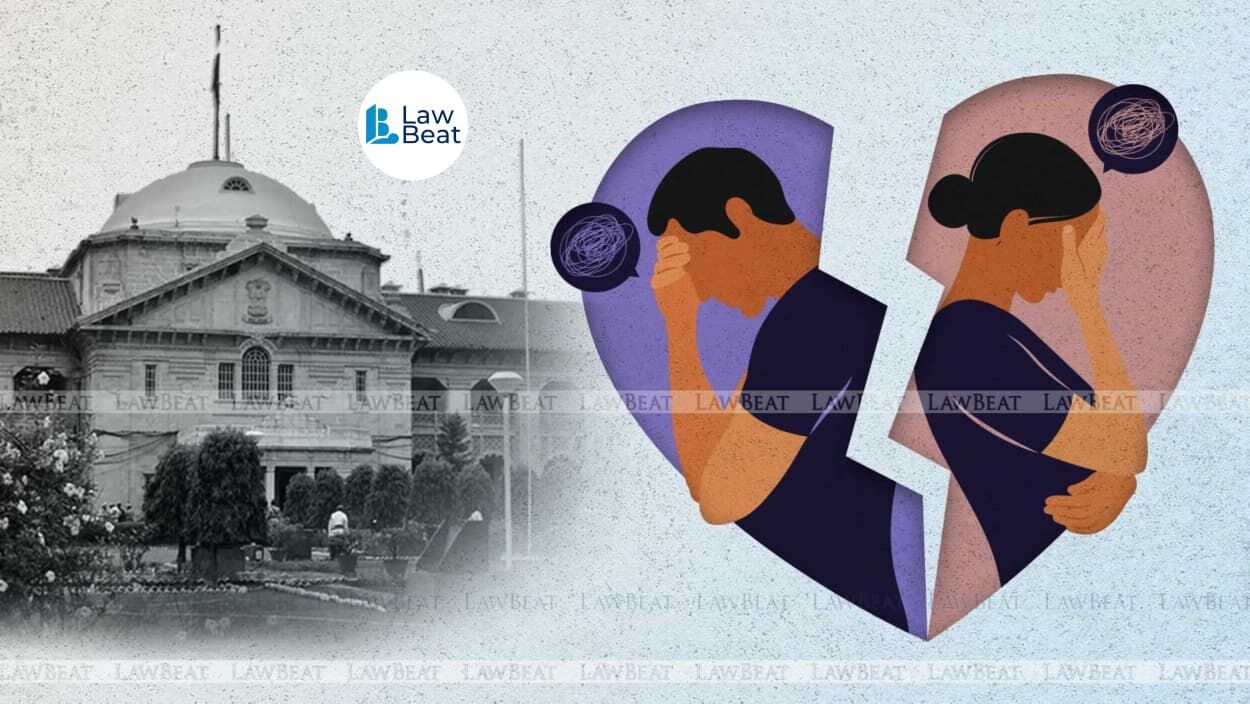
Allahabad High Court: Mental Cruelty Divorce for Mother Abandonment Pressure
Summary
- The Allahabad High Court granted a divorce to a husband, ruling that pressuring him to abandon his 68-year-old widowed mother constitutes mental cruelty.
- This decision overturned a family court's dismissal of the husband's petition under Section 13 of the Hindu Marriage Act.
- The High Court found the husband's unchallenged evidence regarding his wife's pressure to be sufficient proof of mental cruelty.
- The court criticized the family court for focusing excessively on unproven theft allegations rather than the broader claims of matrimonial cruelty.
- This ruling clarifies that such pressure on a spouse to abandon an elderly parent is a valid ground for divorce in India.
What Happened
This decision reinforces the societal expectation of filial duty and the protection of vulnerable family members within the marital home.
The Allahabad High Court recently granted a divorce to a husband, overturning a family court's earlier decision, on the grounds that his wife's persistent pressure to make him abandon his 68-year-old widowed mother constituted mental cruelty. A division bench comprising Justice J.J. Munir and Justice Indrajeet Shukla concluded that the husband's uncontroverted evidence sufficiently established this form of cruelty, paving the way for the dissolution of their marriage. The couple had been married since February 2000 and had two daughters.
The husband, an only son, had initially filed a matrimonial petition seeking either restitution of conjugal rights under Section 9 of the Hindu Marriage Act, 1955, or, alternatively, a divorce under Section 13 of the same Act. His petition detailed allegations that his wife not only pressured him to live separately from his elderly mother but also subjected the older woman to insults and misbehavior. Additionally, he claimed his wife threatened to implicate him in false dowry-related criminal cases and, in July 2012, left their marital home taking jewelry, including some belonging to his mother, and ₹50,000 in cash.
Legal Context and Court's Reasoning
The family court had previously dismissed the husband's petition, primarily focusing on its finding that the allegations concerning the removal of jewelry and cash were not substantiated. However, the Allahabad High Court criticized this approach, stating that the trial court had mistakenly treated the matrimonial dispute as a criminal trial for theft, allowing these specific allegations to overshadow the broader claims of cruelty. While acknowledging that accusations of theft could indeed damage mutual trust in a marriage, the High Court emphasized that the core issue of mental cruelty needed proper assessment.
Crucially, the High Court underscored the significance of unchallenged evidence in matrimonial proceedings. It clarified that while a court cannot automatically grant a decree simply because the opposing party fails to appear or file a written statement, the petitioner must still present reliable evidence to establish a legally sustainable claim. In this case, the husband's pleadings and supporting evidence regarding the pressure to abandon his widowed mother were not cross-examined, leading the bench to conclude there was no reason to disbelieve them. This uncontested evidence of pressuring a husband to abandon his widowed mother was deemed sufficient to establish mental cruelty under the Hindu Marriage Act. The court also noted the family court's error in failing to frame issues before proceeding with the petition.
Why It Matters
This ruling by the Allahabad High Court provides significant clarity regarding what constitutes mental cruelty in matrimonial disputes, particularly in the Indian context. It firmly establishes that pressuring a husband, especially an only son, to abandon his elderly, widowed mother can be a valid ground for divorce. This decision reinforces the societal expectation of filial duty and the protection of vulnerable family members within the marital home. The court's observation that "Sowing such seed in the mind of a person itself may destabilize a common man and would definitely constitute cruelty if the imputations are found to be correct" further highlights the severe psychological impact such actions can have.
The judgment also serves as an important reminder for lower courts on the proper evaluation of evidence in divorce petitions under the Hindu Marriage Act. It cautions against allowing specific, unproven allegations to overshadow other substantial claims of cruelty and stresses the need for a holistic assessment of the matrimonial dispute. This case sets a precedent for future divorce petitions where similar allegations of pressuring a spouse to abandon a parent are made, particularly when supported by uncontested evidence, thereby strengthening the legal framework against such forms of mental cruelty.
Practical Implications
Lawyers advising on divorce petitions under the Hindu Marriage Act should note this ruling as it clarifies that pressuring a spouse to abandon an elderly, widowed parent constitutes mental cruelty. This provides a strong precedent for establishing grounds for divorce based on such conduct, particularly where evidence remains unchallenged.
Source
How does this affect you?
Get an AI analysis of this article grounded in your jurisdictions, practice areas, and any policy documents you've uploaded to Wansom.
Finish Reading the Full Story and the Expert Analysis.
Get the latest legal & regulatory intelligence in India
Wansom is AI and can make mistakes.