
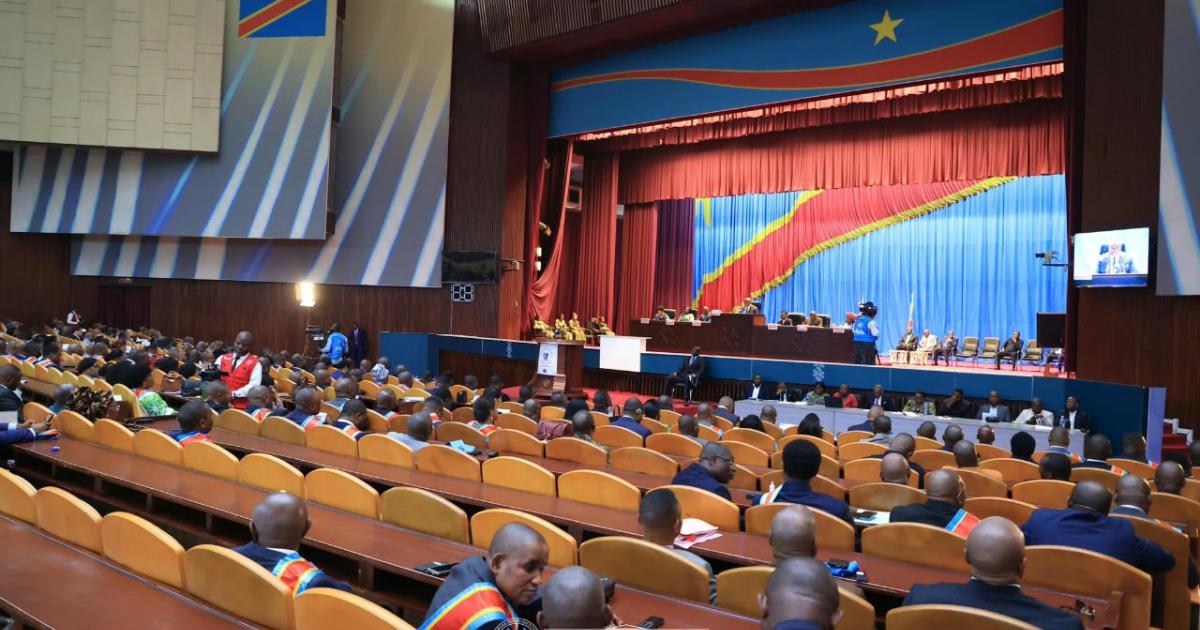
RDC: Proposition Loi IVG Pacquis Nganini Sparks Assembly Debate
Summary
- National Deputy Pacquis Nganini Atabakutuba has introduced a proposed law concerning medicalized termination of pregnancy in the Democratic Republic of Congo.
- The bill has not yet advanced past the National Assembly's Bureau d'études, or Study Office.
- Despite its early stage, the proposal is already causing significant division among elected officials.
- The legislative initiative is expected to spark intense debate on healthcare law, ethics, and reproductive rights in the DRC.
- The report detailing these developments was published on Sunday, September 27, 2026, at 20:12.
Legislative Proposal Sparks Early Controversy
The introduction of this proposal marks a pivotal moment for Législation avortement Congo, signaling a potential shift or clarification in the country's approach to reproductive health.
A significant legislative initiative concerning medicalized termination of pregnancy has been introduced in the Democratic Republic of Congo (DRC), immediately generating considerable debate among national deputies. This Proposition loi IVG Pacquis Nganini RDC, put forth by National Deputy Pacquis Nganini Atabakutuba, addresses a deeply sensitive and ethically complex area of public health and individual rights. The very nature of an Interruption médicalisée grossesse RDC ensures that any legislative attempt to regulate it will draw intense scrutiny and diverse viewpoints from across the political spectrum.
Despite its early procedural stage, the proposed legislation has already proven divisive within the National Assembly. The bill has not yet advanced beyond the Bureau d'études, or Study Office, a preliminary review body responsible for examining the admissibility and technical aspects of legislative texts. Nevertheless, the mere existence of this proposal has ignited a Débat Assemblée nationale IVG, highlighting the profound disagreements that exist among elected officials regarding the scope and conditions under which such medical procedures should be permitted or regulated in the country. This early friction suggests a challenging path ahead for the bill, as reported on Sunday, September 27, 2026, at 20:12.
Navigating the Parliamentary Process
The Bureau d'études represents an initial, yet critical, hurdle in the DRC's legislative process. Its role is to ensure that proposed laws meet formal requirements and are ready for broader parliamentary consideration. For a bill as contentious as the one introduced by Pacquis Nganini Atabakutuba, the scrutiny at this stage can be particularly intense, as it sets the foundation for subsequent discussions and amendments. The fact that division has emerged even before the bill has cleared this preparatory phase underscores the deeply entrenched positions and moral considerations at play.
Should the proposal successfully navigate the Study Office, it would then proceed to committee review and eventually to a full vote in the National Assembly. Each step of this journey is likely to be marked by robust debate, given the immediate polarization observed among deputies. The legislative journey for any significant bill in the DRC is often protracted, but for a measure touching upon such fundamental ethical and societal questions, the process is expected to be exceptionally rigorous and potentially fraught with political maneuvering. This early division is a strong indicator of the significant parliamentary battles that lie ahead.
Far-Reaching Implications for DRC
The introduction of this proposal marks a pivotal moment for Législation avortement Congo, signaling a potential shift or clarification in the country's approach to reproductive health. Regardless of its eventual outcome, the debate itself will force a national conversation on medical ethics, women's health, and the role of the state in personal medical decisions. Such discussions often transcend political lines, engaging religious, cultural, and human rights organizations, thereby shaping public discourse for years to come.
For legal professionals and compliance officers operating within the DRC, the progression of this proposed bill demands close and continuous monitoring. Its eventual passage or rejection will significantly impact the landscape of healthcare law, potentially altering ethical guidelines for medical practitioners and influencing corporate policies related to reproductive health services. Understanding the nuances of this legislative development is crucial for ensuring adherence to evolving legal frameworks and for advising organizations on their obligations and responsibilities in a rapidly changing regulatory environment. The profound societal and legal implications underscore why this legislative effort, even in its nascent stage, is already generating such intense scrutiny and debate.
Practical Implications
Lawyers and compliance officers in the DRC should closely monitor the progression of this proposed bill, as its eventual passage or rejection will significantly impact healthcare law, ethical guidelines, and and potentially corporate policies related to reproductive health services.
Source
How does this affect you?
Get an AI analysis of this article grounded in your jurisdictions, practice areas, and any policy documents you've uploaded to Wansom.
Finish Reading the Full Story and the Expert Analysis.
Get the latest legal & regulatory intelligence in DR Congo
Wansom is AI and can make mistakes.