
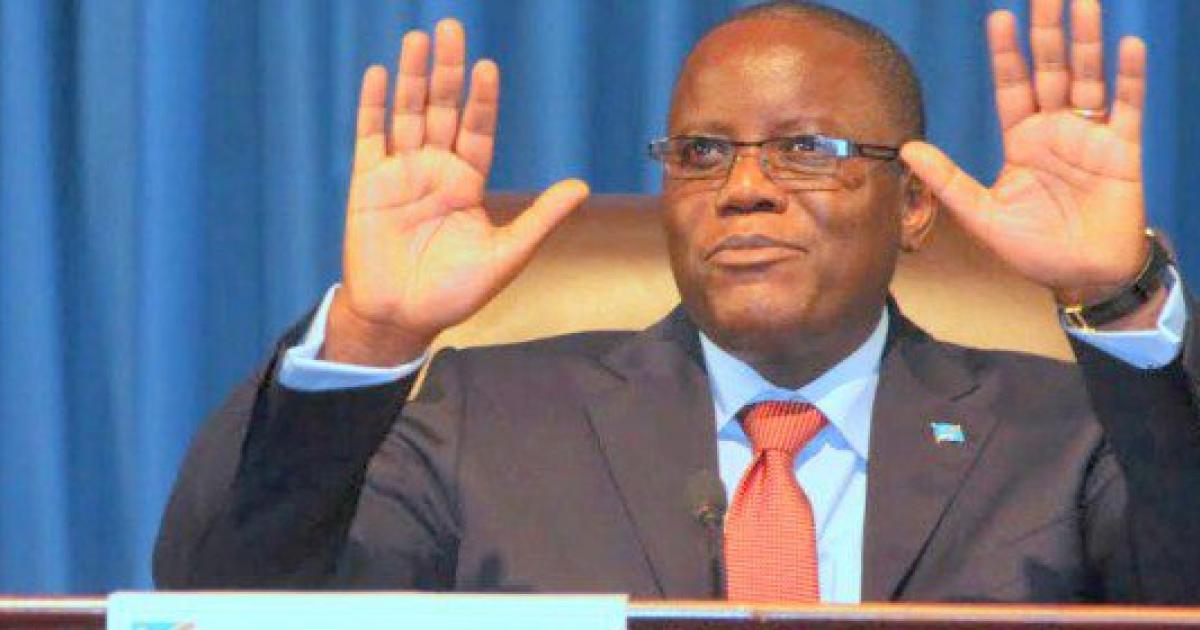
Aubin Minaku: Granted Liberté Judiciaire Contrôlée After 297 Days
Summary
- Aubin Minaku, a former President of the National Assembly and PPRD Vice-President, has been granted "liberté judiciaire contrôlée."
- This conditional release follows 297 days of his provisional detention.
- His legal representatives announced the development on Wednesday, November 11.
- The measure signifies release from physical custody under specific judicial conditions.
Judicial Control Granted to Prominent Politician
This development highlights the application of 'liberté judiciaire contrôlée' in high-profile political cases within the DRC, offering a practical example for lawyers handling similar detentions and demonstrating procedural outcomes for prominent individuals.
Aubin Minaku, a notable figure in Congolese politics who previously held the esteemed position of President of the National Assembly and served as the National Vice-President of the PPRD, has been granted "liberté judiciaire contrôlée." This significant development, confirmed by his legal representatives on Wednesday, November 11, marks a new phase following an extended period of detention. The decision to place Mr. Minaku under judicial control comes after he spent a considerable 297 days in custody, a duration that underscores the protracted nature of his legal proceedings and the gravity often associated with cases involving high-ranking political figures.
This specific form of conditional release, known as Aubin Minaku liberté judiciaire contrôlée, allows for his release from physical detention while still subjecting him to specific legal oversight and conditions. The announcement by his lawyers on November 11 sheds crucial light on the procedural outcomes for prominent individuals facing legal challenges within the Democratic Republic of Congo, offering a practical example of how the justice system navigates complex, high-profile cases involving former government officials.
Understanding "Liberté Judiciaire Contrôlée" in DRC Law
The concept of "liberté judiciaire contrôlée" is a crucial aspect of the droit pénal congolais, particularly when dealing with figures politiques who are under investigation. This measure permits an accused individual to be released from Minaku détention provisoire RDC, but under strict conditions imposed by the judicial authority. These conditions can vary widely depending on the specifics of the case, often including requirements such as regular reporting to the police, restrictions on travel both domestically and internationally, or prohibitions on contacting certain individuals who may be witnesses or co-accused. All these stipulations are designed to ensure the individual remains available for future legal proceedings and does not obstruct the ongoing course of justice.
Unlike an outright Aubin Minaku libération, "liberté sous contrôle judiciaire Congo" signifies that while physical incarceration ends, the judicial process continues, and the individual's freedom is not absolute. This mechanism serves as an important alternative to continued pre-trial detention, aiming to balance the fundamental rights of the accused with the imperative need for judicial oversight and the integrity of the investigation. For lawyers handling similar detentions, this particular case illustrates the potential for securing conditional release even after lengthy periods of provisional custody, providing a valuable precedent.
Broader Implications for Political Figures in the RDC
The decision concerning Aubin Minaku's status holds considerable weight for the application of judicial control in high-profile political cases across the Democratic Republic of Congo. It demonstrates that even individuals with significant political backgrounds, who have faced extended periods of Minaku détention provisoire RDC, can eventually transition to a form of conditional freedom rather than remaining in indefinite provisional detention. This outcome provides a tangible precedent for how the Congolese legal system manages the pre-trial phase for prominent personalities, potentially influencing future judicial strategies in similar situations.
This development highlights the application of 'liberté judiciaire contrôlée' in high-profile political cases within the DRC, offering a practical example for lawyers handling similar detentions and demonstrating procedural outcomes for prominent individuals. The 297 days spent in detention by Mr. Minaku before this conditional release underscore the complexities and often lengthy timelines associated with legal processes involving political figures in the country. The announcement on Wednesday, November 11, by his legal team, therefore, offers a critical insight into the evolving landscape of justice for political actors and the procedural avenues available under Congolese law.
Practical Implications
This development highlights the application of 'liberté judiciaire contrôlée' in high-profile political cases within the DRC, offering a practical example for lawyers handling similar detentions and demonstrating procedural outcomes for prominent individuals.
Source
Source: Original reporting via PMaki.
How does this affect you?
Get an AI analysis of this article grounded in your jurisdictions, practice areas, and any policy documents you've uploaded to Wansom.
Finish Reading the Full Story and the Expert Analysis.
Get the latest legal & regulatory intelligence in DR Congo
Wansom is AI and can make mistakes.