
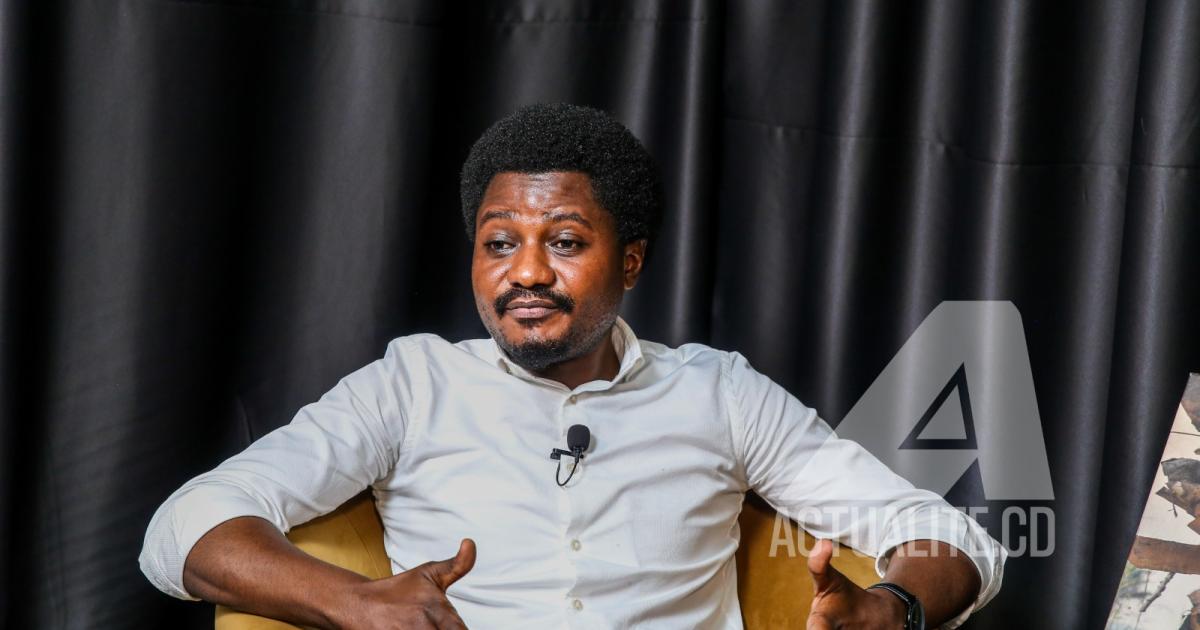
RDC Prosecutors: 15 Years Forced Labor for Procès FRIVAO Constant Mutamba
Summary
- Prosecutors have requested a 15-year sentence of forced labor for Constant Mutamba, a former Minister of Justice.
- Chançard Bolukola, the former head of FRIVAO, faces the same requested penalty in the Procès FRIVAO case.
- The request was reported on Wednesday, August 19, 2026.
- This development highlights the RDC justice system's focus on accountability for high-ranking officials.
- The severe requested penalty could set a precedent for anti-corruption efforts and political risk in the Democratic Republic of Congo.
What Happened
Lawyers advising clients on operations or investments in the RDC should take note of this development, as it signals a potentially hardening stance by the judiciary on accountability for former officials.
A significant development in the ongoing Procès FRIVAO case has seen prosecutors recommend a substantial penalty against two prominent figures. The prosecution has formally requested a sentence of 15 years of forced labor for Constant Mutamba, who previously served as the Minister of Justice for the Democratic Republic of Congo. This severe recommendation underscores the gravity of the allegations being pursued in the legal proceedings.
Alongside Mr. Mutamba, Chançard Bolukola, identified as the former head of the organization FRIVAO, also faces the same proposed penalty. The request for 15 years of forced labor for both individuals was made public on Wednesday, August 19, 2026, according to reports. This marks a critical juncture in the Procès FRIVAO, signaling the prosecution's firm stance on the alleged offenses.
Legal Context and Judicial Scrutiny
The recommendation of such a rigorous sentence, particularly "Constant Mutamba 15 ans travaux forcés," highlights the intensified focus of the RDC justice system on accountability, especially for former high-ranking officials. While the specific charges underlying the Procès FRIVAO have not been detailed in the available information, the nature of forced labor as a penalty typically corresponds to serious economic crimes, corruption, or other grave offenses under Congolese law. The involvement of an "Ancien ministre justice RDC" like Constant Mutamba elevates the profile of this case significantly, placing it under considerable public and legal scrutiny both domestically and internationally. The very request for such a severe punishment indicates the prosecution's belief in the substantial nature of the alleged wrongdoing.
This development reflects a broader trend within the Democratic Republic of Congo to address issues of governance and financial impropriety, moving towards a more robust application of justice. The judiciary's willingness to pursue severe penalties against individuals who once held positions of power, such as the former Minister of Justice, suggests a concerted effort to combat impunity and reinforce the rule of law. The legal process, which now includes this formal request for a lengthy term of forced labor, will continue to unfold, with the court ultimately determining the final verdict and sentence for both Constant Mutamba and Chançard Bolukola in the Procès FRIVAO, a decision that will be closely scrutinized for its implications on judicial independence and anti-corruption efforts.
Implications for Accountability and Risk
The severity of the penalty requested against Constant Mutamba, a former Minister of Justice, carries significant implications for anti-corruption compliance and political risk assessments within the Democratic Republic of Congo. Lawyers advising clients on operations or investments in the RDC should take note of this development, as it signals a potentially hardening stance by the judiciary on accountability for former officials. The pursuit of "Constant Mutamba 15 ans travaux forcés" could establish a powerful precedent for future high-profile corruption cases, demonstrating a judicial resolve to impose stringent consequences regardless of past political influence or position. This particular case, the Procès FRIVAO, involving both an "Ancien ministre justice RDC" and "Chançard Bolukola FRIVAO," underscores the evolving landscape of governance and rule of law in the country.
It suggests that the RDC justice system is increasingly prepared to challenge and prosecute individuals previously considered untouchable, thereby altering the risk profile for those engaged in public life or business dealings that intersect with government functions. The judiciary's stance, as evidenced by this request, indicates a potential shift towards greater transparency and a reduced tolerance for corruption, even among the elite. The outcome of this trial will be closely watched as an indicator of the DRC's commitment to strengthening its legal framework and its efforts to curb corruption at all levels, potentially influencing how international partners and investors perceive the country's institutional integrity.
Practical Implications
Lawyers advising on anti-corruption compliance or political risk in the DRC should note the severity of the sentence requested against a former Minister of Justice, indicating potential precedents for high-profile corruption cases and the judiciary's stance on accountability for former officials.
Source
How does this affect you?
Get an AI analysis of this article grounded in your jurisdictions, practice areas, and any policy documents you've uploaded to Wansom.
Wansom is AI and can make mistakes.