
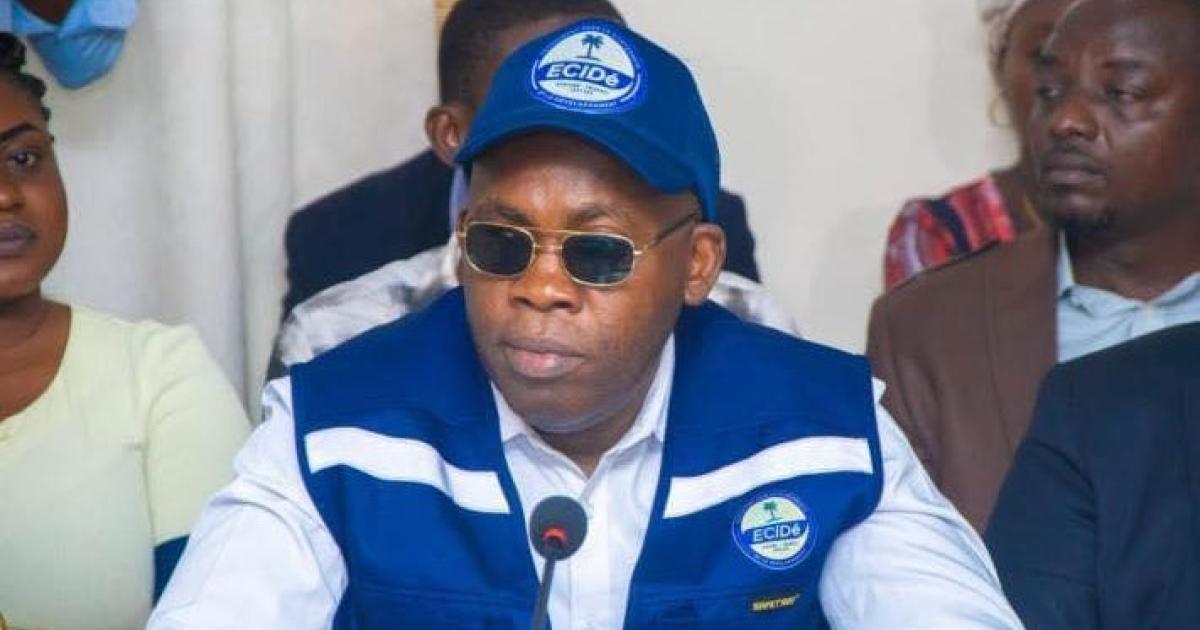
RDC: Prince Epenge Transfert Prison Makala Sparks Outrage
Summary
- Prince Epenge, a leader of the Lamuka opposition coalition, was transferred to Makala central prison on Saturday, October 31.
- This Prince Epenge transfert prison Makala sparked anger among opposition groups in the Democratic Republic of Congo.
- Devos Kitoko stated that the regime's widespread repression reinforces the idea that armed struggle is the only remaining option.
- The detention of opposition figures like Prince Epenge raises concerns about due process and human rights in the RDC.
The Detention of an Opposition Figure
The detention of opposition figures like Prince Epenge underscores the inherent risks of political repression impacting the integrity of legal frameworks and the rule of law within the Democratic Republic of Congo.
Prince Epenge, a prominent leader within the Lamuka opposition coalition, was recently transferred to the central prison in Makala. This significant development occurred on a Saturday, October 31, marking a notable event in the ongoing political landscape of the Democratic Republic of Congo. The move, specifically the Prince Epenge transfert prison Makala, immediately drew strong condemnation and anger from various opposition factions across the nation.
The transfer of such a high-profile individual to the prison centrale Makala RDC has raised concerns among political observers regarding the treatment of opposition figures. As a recognized Lamuka cadre, his arrest and subsequent detention are viewed by many as part of a broader pattern affecting political dissidents in the country. This particular Prince Epenge détention politique has intensified the scrutiny on the government's approach to political dissent and freedom of expression within the RDC.
Escalating Political Tensions
The transfer of Prince Epenge to Makala prison has not only sparked outrage but also fueled a wider debate about the state of political repression in the Democratic Republic of Congo. In response to these developments, Devos Kitoko, another prominent voice, issued a stark warning regarding the regime's actions. His declaration highlighted a growing sentiment that the government's heavy-handed approach could have severe consequences for national stability.
Kitoko's statement, specifically his Devos Kitoko déclaration répression, articulated a critical perspective: that by suppressing all forms of opposition and dissent, the current regime inadvertently strengthens the belief among some that armed resistance is the only viable recourse left. This suggests a dangerous escalation in political rhetoric, where the perceived closure of peaceful avenues for change could push disaffected groups towards more extreme measures. The implications of such a widespread feeling of repression are profound, potentially undermining efforts for a peaceful and democratic resolution to political disagreements in the RDC.
Legal and Human Rights Implications
The circumstances surrounding the Prince Epenge transfert prison Makala, particularly given his status as a Lamuka cadre, necessitate close monitoring by legal professionals and human rights organizations. Such political arrests and detentions in the RDC often raise serious questions about adherence to due process and international human rights standards. Lawyers are urged to scrutinize these cases for any potential violations that could warrant legal challenges or draw international attention to the situation.
The detention of opposition figures like Prince Epenge underscores the inherent risks of political repression impacting the integrity of legal frameworks and the rule of law within the Democratic Republic of Congo. Any perceived lack of transparency or fairness in these proceedings could erode public trust in the justice system and further destabilize the political environment. Ensuring that all legal safeguards are respected, even in politically charged cases, is crucial for upholding fundamental rights and maintaining a semblance of justice in the nation.
Practical Implications
Lawyers should monitor political arrests and detentions in the DRC, particularly those involving opposition figures like Prince Epenge, for potential human rights violations or due process concerns that could lead to legal challenges or international scrutiny. This situation underscores the risks of political repression impacting legal frameworks and the rule of law.
Source
How does this affect you?
Get an AI analysis of this article grounded in your jurisdictions, practice areas, and any policy documents you've uploaded to Wansom.
Finish Reading the Full Story and the Expert Analysis.
Wansom is AI and can make mistakes.