
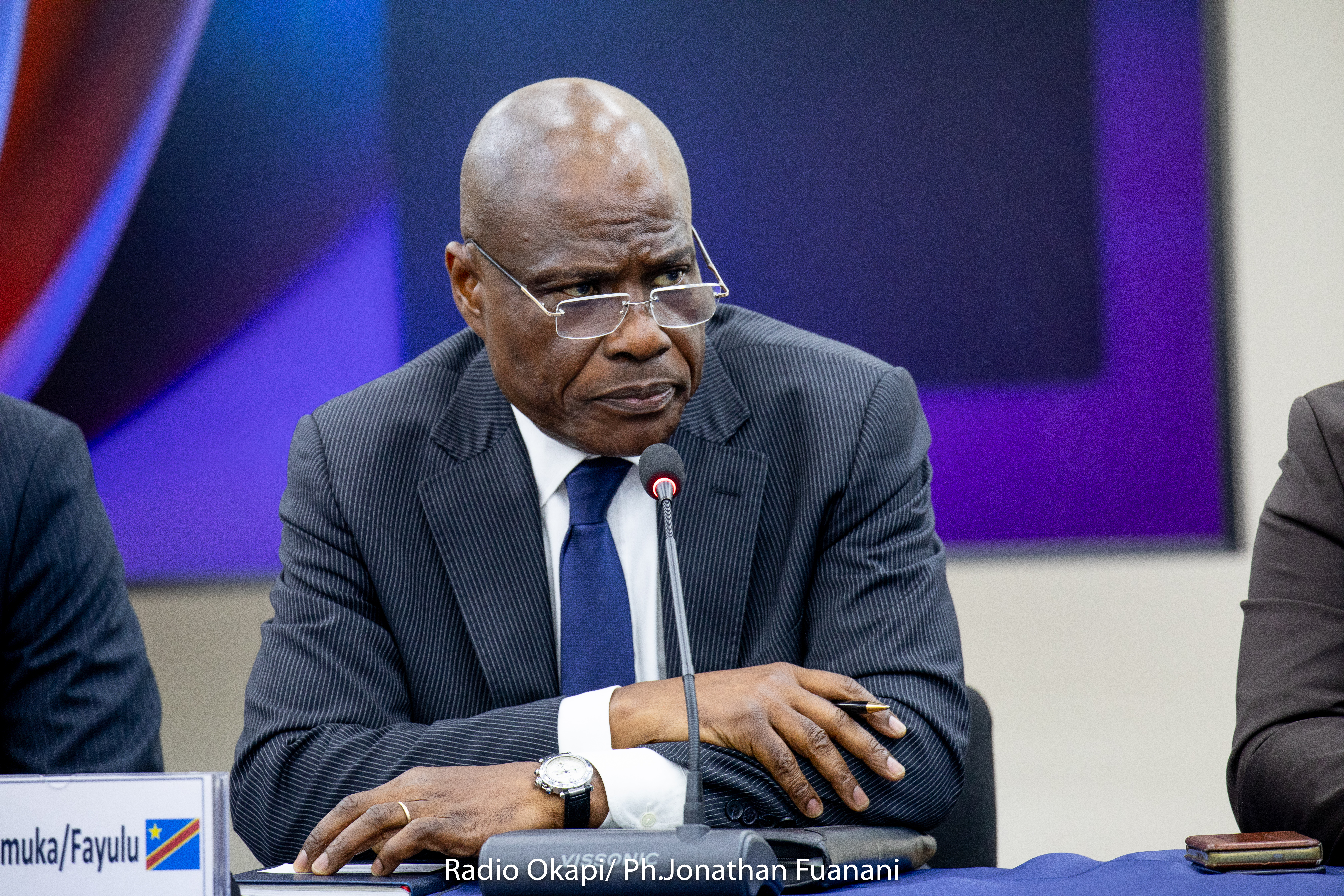
Prince Epenge Arrestation Kinshasa: Charged With Spreading False Rumors
Summary
- Opposition figure Prince Epenge was arrested on October 25 at N'djili airport while attempting to travel to Rome for a C64 meeting.
- He faces charges of spreading false rumors regarding the death of his supporter, Manasse Lomboto, which Epenge attributes to September 15, 2026, violence.
- Martin Fayulu, a prominent opposition leader, has condemned Epenge's detention, demanding respect for his rights and an impartial judicial process.
- Fayulu also called for an independent investigation into Lomboto's death and for the diligent handling of a complaint filed by C64 lawyers.
- The opposition leader criticized the situation as "two-speed justice," emphasizing the need for truth and accountability without political interference.
What Happened
Fayulu's strong critique, labeling the situation as "justice à deux vitesses," points to a perceived disparity in how justice is administered, particularly in cases involving political figures.
Prince Epenge, a prominent political figure in the Democratic Republic of Congo, was arrested on Sunday, October 25, at N'djili airport by unidentified individuals. He was reportedly en route to Rome, Italy, to attend a meeting of the Coalition article 64 (C64), a detail confirmed by his political party. Following his arrest, Mr. Epenge was held for 48 hours at the National Council of Cybercrime before being transferred to the public prosecutor's office near the High Court of Kinshasa/Gombe, marking a significant development in the Prince Epenge arrestation Kinshasa.
The charges against Mr. Epenge center on the alleged "propagation des faux bruits" (spreading false rumors). This accusation is directly linked to the death of Manasse Lomboto, a supporter whose demise Mr. Epenge attributed to the violence that occurred during a demonstration on September 15, 2026. However, multiple sources indicate that the public prosecutor's office disputes this claim, considering it to be false. The situation, involving the ADDCongo Lamuka arrestation, has quickly drawn significant attention and criticism from opposition figures.
Political Outcry and Legal Demands
Martin Fayulu, a leading opposition figure and leader of ECiDé, strongly condemned Prince Epenge's detention on Wednesday, October 28. In a message shared on his X account, Fayulu reacted to Epenge's transfer to the Kinshasa Gombe parquet, emphasizing the need to uphold the fundamental rights of the opposition leader and calling for an impartial judicial process. Fayulu highlighted Epenge's multiple roles as president of ADDCongo, second vice-president and spokesperson for Lamuka, and a member of the Coalition C64, underscoring his political significance.
Fayulu further asserted that Manasse Lomboto's death also resulted from the September 15 violence, which he attributed to the "Force du progrès." He has demanded an independent, impartial, and thorough investigation into the Manasse Lomboto décès enquête, rejecting any attempt to make Prince Epenge a scapegoat in the matter. Fayulu also insisted that a complaint filed by C64 lawyers concerning this case must be handled diligently, without any "manoeuvres dilatoires ni faux-fuyants" (delaying tactics or evasions).
Implications for Justice in the DRC
The circumstances surrounding the Prince Epenge arrestation Kinshasa underscore persistent concerns regarding judicial independence and the application of due process within the Democratic Republic of Congo. Fayulu's strong critique, labeling the situation as "justice à deux vitesses," points to a perceived disparity in how justice is administered, particularly in cases involving political figures. The accusation of "propagation faux bruits RDC" against Epenge, following his assertion about Manasse Lomboto's death, highlights the potential for politically motivated charges to be leveraged against government critics.
This incident serves as a critical reminder of the challenges faced by the DRC's justice system in maintaining impartiality. Fayulu's concluding statement, asserting that justice must uncover the truth and assign criminal responsibilities—including at hierarchical and operational levels—without succumbing to political pressure, encapsulates the broader demand for a fair and equitable legal framework. The call for transparency and the diligent examination of the C64's complaint are crucial for upholding the integrity of the judicial process in such sensitive political matters.
Practical Implications
This development highlights the ongoing challenges to judicial independence and due process in the DRC, particularly in cases involving political figures. Lawyers representing clients in politically sensitive matters should be acutely aware of the potential for politically motivated charges, the importance of asserting fundamental rights, and the scrutiny such cases attract regarding the impartiality of the justice system.
Source
How does this affect you?
Get an AI analysis of this article grounded in your jurisdictions, practice areas, and any policy documents you've uploaded to Wansom.
Finish Reading the Full Story and the Expert Analysis.
Wansom is AI and can make mistakes.