
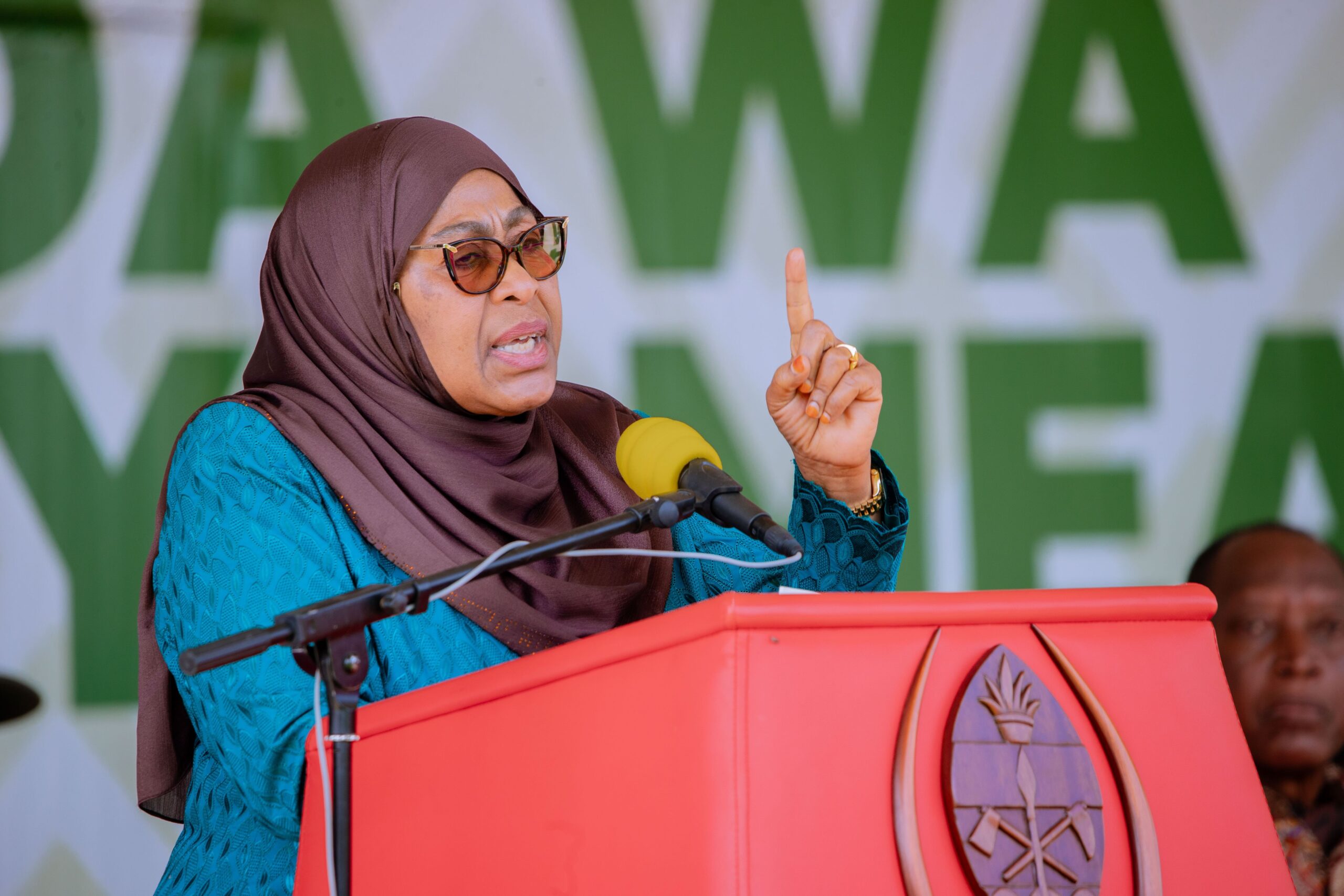
President Samia Directs Human Rights Monitoring in Tanzania
Summary
- President Samia Suluhu Hassan has directed the Commission for Human Rights and Good Governance to monitor and respond to human rights allegations against Tanzania.
- The directive mandates an assessment of the actual human rights situation both domestically and internationally.
- This instruction was issued on November 2, 2026, during a swearing-in ceremony for appointed officials.
- The move signals a renewed governmental focus on transparency and accountability regarding human rights issues.
What Happened
President Samia's human rights directive marks a potentially transformative moment for human rights monitoring in Tanzania.
President Samia Suluhu Hassan has recently issued a significant directive, instructing the Commission for Human Rights and Good Governance to undertake a comprehensive role in addressing concerns related to human rights within Tanzania. This mandate specifically requires the Commission to actively monitor and formulate responses to various allegations that have been leveled against the nation regarding its human rights record. The President underscored the critical necessity for a thorough evaluation of the prevailing human rights situation, encompassing both domestic conditions and Tanzania's international standing, thereby setting a clear agenda for enhanced oversight.
This pivotal instruction was delivered by President Samia on November 2, 2026, during a formal swearing-in ceremony for newly appointed officials. Her address during this public event highlighted a renewed governmental focus on transparency and accountability concerning human rights issues. The directive signals a proactive approach from the highest levels of government to engage with and rectify any identified shortcomings in the country's human rights framework, indicating a potential shift in how such matters are handled at a national level.
The Commission's Enhanced Mandate
The Commission for Human Rights and Good Governance TZ is now tasked with an expanded and more rigorous responsibility under President Samia's directive. Its primary function will involve not only tracking but also actively engaging with and providing official responses to any Tanzania human rights allegations that emerge. This dual role of monitoring and responding implies a more robust and visible engagement from the independent body, moving beyond passive observation to active intervention and clarification.
Furthermore, the President's directive emphasizes a holistic assessment of the human rights situation Tanzania faces. This includes a detailed examination of conditions within the nation's borders, ensuring that domestic practices align with international standards and expectations for human rights. Concurrently, the Commission must also evaluate and address the country's reputation and performance on the global stage, particularly concerning how it is perceived in relation to human rights. This comprehensive scope ensures that both internal realities and external perceptions are thoroughly scrutinized, aiming for a consistent and credible stance on human rights.
Why It Matters
President Samia's human rights directive marks a potentially transformative moment for human rights monitoring in Tanzania. By explicitly ordering the Commission for Human Rights and Good Governance to take on this enhanced role, the government is signaling a commitment to greater scrutiny and responsiveness regarding human rights issues. This move could lead to increased transparency and accountability, as the Commission is now empowered to not only observe but also to directly address criticisms and allegations, fostering a more open dialogue.
The emphasis on assessing the "actual human rights situation" both domestically and internationally suggests a desire to move beyond mere rhetoric and engage with concrete facts. This directive from President Samia could significantly influence how Tanzania's human rights record is perceived globally and how effectively internal mechanisms address citizen concerns. It places the Commission at the forefront of efforts to uphold and improve human rights standards across the nation, potentially setting a new precedent for governmental engagement with human rights bodies.
Practical Implications
This directive from President Samia signals increased governmental focus and potential scrutiny on human rights issues in Tanzania. Lawyers should advise clients operating in Tanzania to review their human rights compliance frameworks and prepare for potentially heightened enforcement or reporting requirements from the Commission for Human Rights and Good Governance.
Source
How does this affect you?
Get an AI analysis of this article grounded in your jurisdictions, practice areas, and any policy documents you've uploaded to Wansom.
Wansom is AI and can make mistakes.