
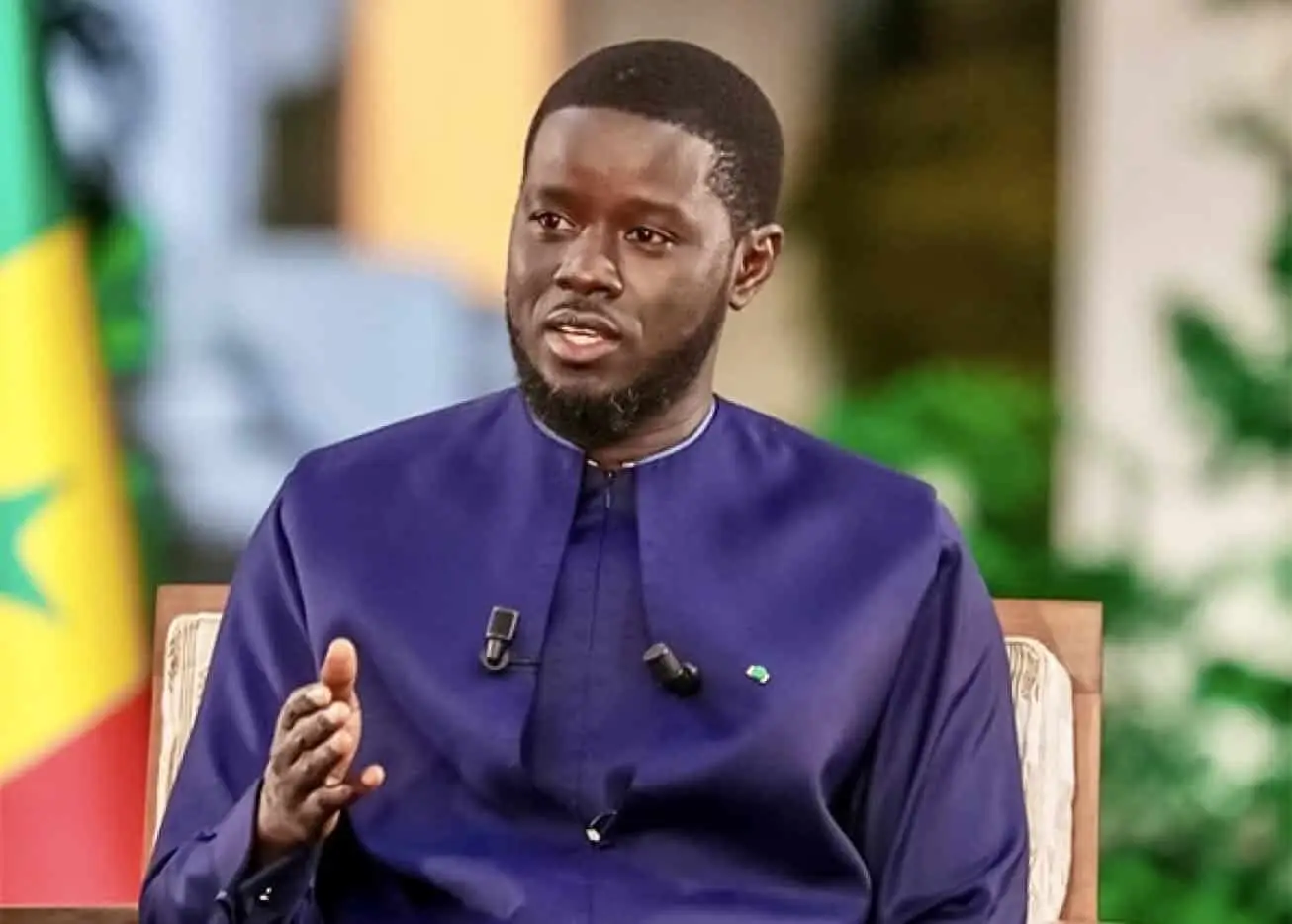
President Faye Undecided on National Assembly Dissolution Date
President Bassirou Diomaye Faye of Senegal, speaking in New York during the 81st UN General Assembly, confirmed that no date has been set for a potential dissolution of the National Assembly, despite constitutional provisions allowing such action from December 2nd. He made these remarks during an interview with France 24 and RFI, clarifying that while the option is being considered, no definitive decision has been made regarding the timing. This statement comes amidst speculation about a dissolution, particularly given the President's loss of parliamentary majority following his break with Pastef on May 22, 2026, which has fueled discussions about the need for new legislative elections.
This development holds significant legal and political implications for Senegal, particularly for the balance of power between the executive and legislative branches. Article 87 of the Senegalese Constitution grants the President the prerogative to dissolve the National Assembly after the first two years of its legislature, a power designed to resolve political impasses or re-establish a clear mandate. The President's current lack of a parliamentary majority, explicitly mentioned in the excerpt, underscores the strategic importance of this constitutional power. The potential dissolution would trigger new legislative elections, fundamentally reshaping the political landscape and potentially altering the government's ability to pass its agenda. The President's consultation with the Constitutional Council regarding the "jumelage" (combining) of legislative and local elections further highlights the intricate legal and logistical considerations involved in such a move, aiming to streamline the electoral process.
The key parties involved are President Bassirou Diomaye Faye, the Senegalese National Assembly, and the Constitutional Council, which is being consulted for an advisory opinion. The media outlets France 24 and RFI served as the platform for the President's statements. For legal practitioners and businesses operating in Senegal, this situation necessitates close monitoring of political developments and constitutional processes. Attorneys should advise clients on the potential for legislative instability or changes in government policy that could arise from new elections. Businesses should prepare for potential shifts in regulatory environments or economic priorities depending on the composition of a new parliament. The explicit mention of the President's engagement with the Constitutional Council suggests that any future decision will be carefully vetted against constitutional principles, making its advisory opinion a critical document to watch. The outcome of any potential dissolution and subsequent elections is not yet reported, but the ongoing discussions signal a period of political uncertainty that requires careful navigation.
How does this affect you?
Get an AI analysis of this article grounded in your jurisdictions, practice areas, and any policy documents you've uploaded to Wansom.
Finish Reading the Full Story and the Expert Analysis.
Get the latest legal & regulatory intelligence in Senegal
Wansom is AI and can make mistakes.