
Senegal: Cheikhou Oumar Seck Confirms Non-Application of 2016 Mining Code
Summary
- Senegal's Minister of Mines and Geology, Cheikhou Oumar Seck, has confirmed that several provisions of the 2016 Mining Code are not being applied.
- Difficulties in implementing and controlling the code's mechanisms are cited as the reason for its non-application.
- The government aims to increase local mineral transformation to 50% for iron, gold, and phosphates, fostering economic sovereignty.
- An ad hoc commission, established in July 2024, is actively renegotiating approximately thirty existing mining conventions.
- A new Mining Code is anticipated to be adopted by the Senegalese government before the close of 2026, following a two-year preparation process.
Acknowledged Challenges with Senegal's 2016 Mining Code
Minister Cheikhou Oumar Seck highlighted that numerous provisions intended by the 2016 Mining Code are currently not being implemented, pointing to significant challenges in both its application and the oversight of its mechanisms.
Senegal's Minister of Mines and Geology, Cheikhou Oumar Seck, has publicly acknowledged that several key mechanisms and provisions outlined in the nation's 2016 Mining Code are currently not being applied. This revelation points to significant operational hurdles in the implementation and oversight of the legislative framework designed to govern the country's vital mining sector. The minister's remarks underscore a critical gap between the legal text and its practical enforcement on the ground.
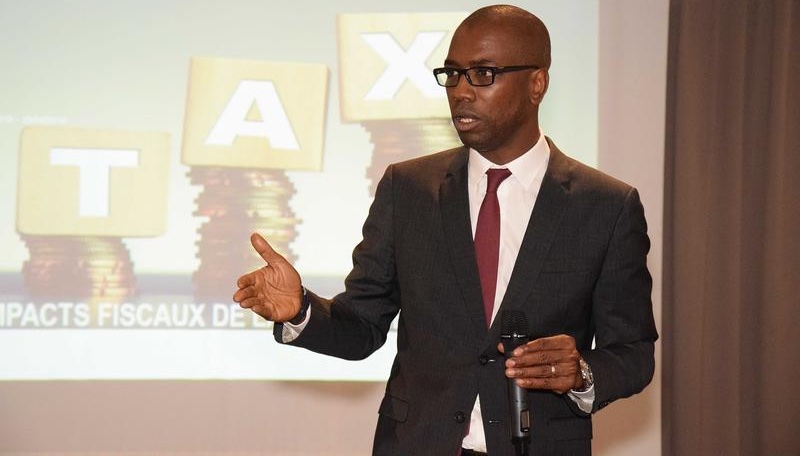
Minister Cheikhou Oumar Seck highlighted these difficulties during an interview with the Agence de Presse Sénégalaise (APS) and reiterated them at a workshop dedicated to presenting the draft of a new mining code bill. He explained that the challenges primarily stem from issues related to the actual application of the text and the effective control of its various stipulations. This candid assessment sets the stage for a comprehensive reform initiative, which has been under preparation for nearly two years, involving extensive collaboration with diverse stakeholders across the industry.
This ongoing reform effort aims to address the shortcomings identified in the existing framework, particularly concerning the `Sénégal Code minier 2016 application`. The government's proactive stance in identifying and articulating these issues signals a commitment to developing a more robust and enforceable regulatory environment for its mineral resources. The `ministre Mines Cheikhou Oumar Seck` has been central to communicating these challenges and the path forward.
Driving Forces Behind Legislative Reform
The impetus behind the current legislative overhaul is rooted in Senegal's broader ambition to maximize the benefits derived from its natural resources and to significantly boost the participation of the national private sector within mining value chains. Prime Minister Ahmadou Al Aminou Lô has framed this reform as a cornerstone of the nation's economic sovereignty, emphasizing a strategic shift towards greater local control and value creation.
A central objective of this renewed focus is the target of achieving a 50% local transformation of specific key minerals within national territory. This ambitious goal particularly applies to iron, gold, and phosphates, signaling a concerted effort by the government to develop and strengthen domestic processing capabilities for these valuable commodities. Such a move is expected to generate more local employment, foster industrial growth, and retain a larger share of the economic value generated by the mining sector.
Historically, previous legislative frameworks, such as the 1988 and 2003 Mining Codes, played a crucial role in attracting foreign investment and modernizing Senegal's legal landscape for mining. The current `réforme Code minier Sénégal 2026` seeks to build upon these foundations while addressing contemporary challenges and aligning with the government's vision for enhanced national benefit and economic independence. The process for this reform has been collaborative, engaging various parties involved in the sector over an extended period.
Immediate Actions and Future Outlook
In direct response to the acknowledged issues and as part of the broader reform agenda, an ad hoc commission was established in July 2024. This commission has been tasked with the critical responsibility of renegotiating approximately thirty existing mining conventions. This intensive process of `renégociation conventions minières Sénégal` is a tangible step towards aligning current operational agreements with the government's evolving objectives and the spirit of the upcoming legislative changes.
The government has set a clear timeline for the adoption of the new Mining Code, anticipating its finalization and implementation before the end of 2026. This forthcoming legislation is expected to provide a clearer, more enforceable framework, addressing the very issues of non-application and control that Minister Cheikhou Oumar Seck highlighted regarding the 2016 Code. The proactive renegotiation of conventions alongside the drafting of new legislation indicates a comprehensive approach to reforming the mining sector.
This period of legislative and contractual review underscores a significant shift in Senegal's mining policy landscape. The explicit acknowledgment of the `Cheikhou Oumar Seck non-application Code minier 2016` serves as a strong signal to all stakeholders, particularly mining companies, that a new era of compliance and local value creation is on the horizon. The planned adoption of the new code by 2026 will culminate this extensive reform process, aiming for a more equitable and beneficial exploitation of the nation's mineral wealth.
Practical Implications
Lawyers advising mining companies in Senegal should note the acknowledged non-application of certain 2016 Mining Code provisions, which creates compliance uncertainty and potential enforcement gaps. This also signals upcoming legislative changes and renegotiation of conventions, requiring close monitoring for client advice on future obligations and risks.
Source
How does this affect you?
Get an AI analysis of this article grounded in your jurisdictions, practice areas, and any policy documents you've uploaded to Wansom.
Finish Reading the Full Story and the Expert Analysis.
Get the latest legal & regulatory intelligence in Senegal
Wansom is AI and can make mistakes.