
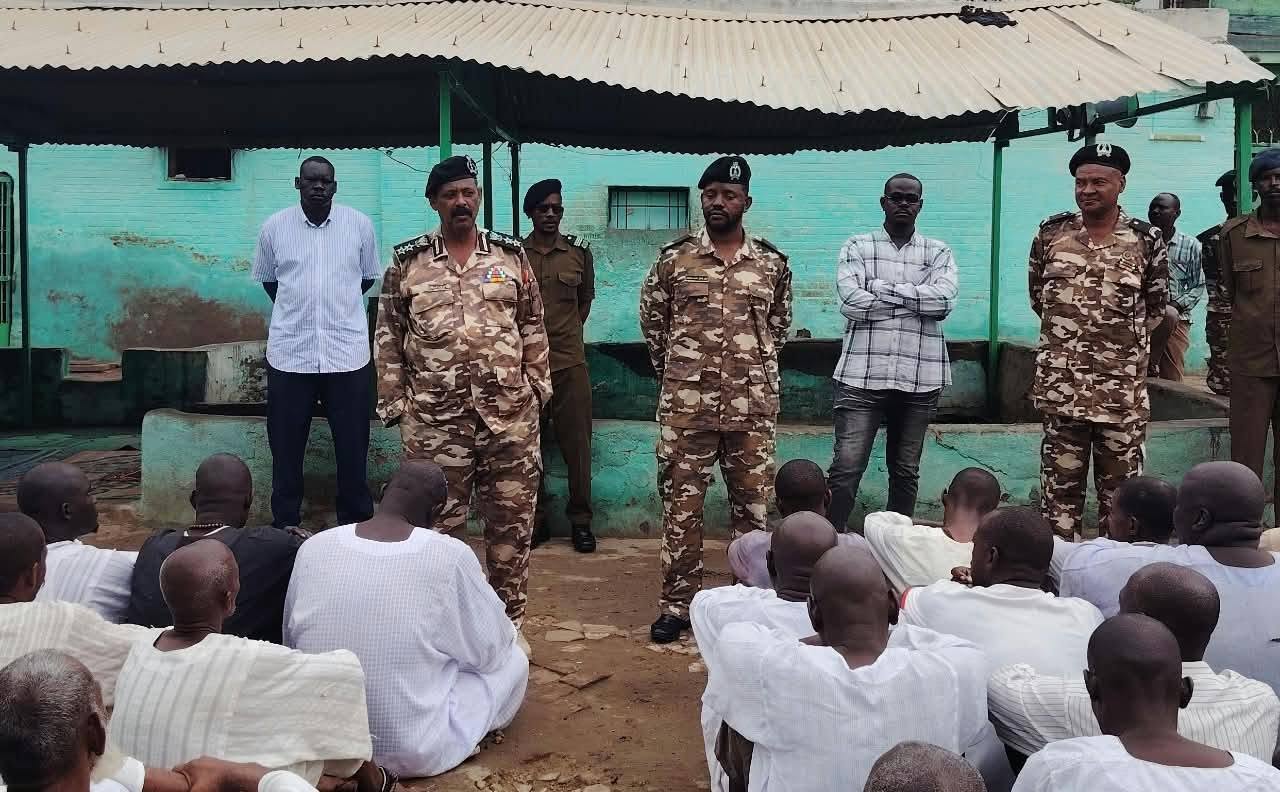
Sudan: Port Sudan Prison 83 Detainees Hunger Strike Over Delays
Summary
- On August 25, 2026, 83 detainees at Port Sudan National Prison began an open hunger strike.
- The detainees are protesting prolonged detention and delayed trials, seeking urgent intervention for their harsh conditions.
- All 83 individuals face charges under Articles 50 and 51 of the Sudanese Criminal Law of 1991.
- Some detainees have been held for nearly two years without trial due to disrupted judicial procedures and absent parties.
- The Al Jazeera Human Rights Monitor reported on this situation, highlighting broader criticisms of detention conditions in Sudan since April 2023.
Detainees Launch Hunger Strike in Port Sudan
What should be a temporary measure—pre-trial detention—has, in their cases, transformed into long-term imprisonment without any judicial resolution, exacerbating concerns about due process.
On Tuesday, August 25, 2026, a significant human rights crisis unfolded in Sudan as 83 detainees at the Port Sudan National Prison initiated an open-ended hunger strike. This drastic measure was undertaken to protest their extended periods of incarceration and the persistent delays in bringing their cases to trial. The Al Jazeera Human Rights Monitor reported on this development, highlighting the detainees' urgent plea for intervention to alleviate what they describe as severe humanitarian and legal conditions within the facility.
The group of 83 prisoners formally communicated their demands to the relevant authorities through a submitted memorandum. Their primary objective is to compel action that would resolve their precarious legal status and improve their living circumstances. This collective action underscores the growing desperation among those held in detention, particularly in a region grappling with widespread instability and judicial backlogs.
Judicial Delays and Legal Framework
All 83 individuals involved in the Port Sudan prison hunger strike are facing charges under Articles 50 and 51 of the Sudanese Criminal Law of 1991. The Al Jazeera Human Rights Monitor's report indicates that some of these detainees have been held without trial for nearly two years, a period far exceeding what is typically considered reasonable for pre-trial detention. This prolonged confinement is attributed to significant disruptions in judicial procedures, compounded by the absence of key participants in their cases.
Critical parties, including informants, prosecution witnesses, and representatives of public rights, have reportedly been unavailable, directly contributing to the stagnation of legal proceedings. The memo submitted by the detainees explicitly states that these extended periods of detention have effectively denied them their fundamental right to a fair trial. What should be a temporary measure—pre-trial detention—has, in their cases, transformed into long-term imprisonment without any judicial resolution, exacerbating concerns about due process. Further compounding the issue, the scheduling of court sessions is infrequent, and postponements are common, with a single judge responsible for overseeing the cases of all 83 detainees.
Broader Human Rights Concerns in Sudan
The situation at Port Sudan prison is not an isolated incident but rather reflects a broader pattern of human rights concerns that have plagued Sudan since the outbreak of conflict between the army and the Rapid Support Forces in April 2023. Human rights organizations have consistently voiced strong criticisms regarding the conditions within Sudanese prisons, the prevalence of prolonged detention, and the integrity of legal procedures across the country. These organizations have repeatedly called for the assurance of fair trials and the robust protection of detainees' rights.
The ongoing conflict has severely impacted the functionality of the justice system, leading to widespread judicial delays and a backlog of cases. The plight of the 83 detainees, who are resorting to a hunger strike to draw attention to their predicament, serves as a stark reminder of the urgent need for systemic reforms and adherence to international human rights standards. Lawyers advising clients in Sudan, particularly those facing charges under Articles 50 and 51, must be acutely aware of the severe risks of prolonged pre-trial detention and significant judicial delays, as exemplified by this situation.
Practical Implications
Lawyers advising clients in Sudan, particularly those facing charges under Articles 50 and 51 of the Sudanese Criminal Law, must be acutely aware of the severe risks of prolonged pre-trial detention and significant judicial delays, as exemplified by the Port Sudan situation. This development underscores the urgent need to monitor fair trial guarantees and be prepared for potential human rights challenges or advocacy regarding detention conditions and judicial efficiency.
Source
How does this affect you?
Get an AI analysis of this article grounded in your jurisdictions, practice areas, and any policy documents you've uploaded to Wansom.
Wansom is AI and can make mistakes.