
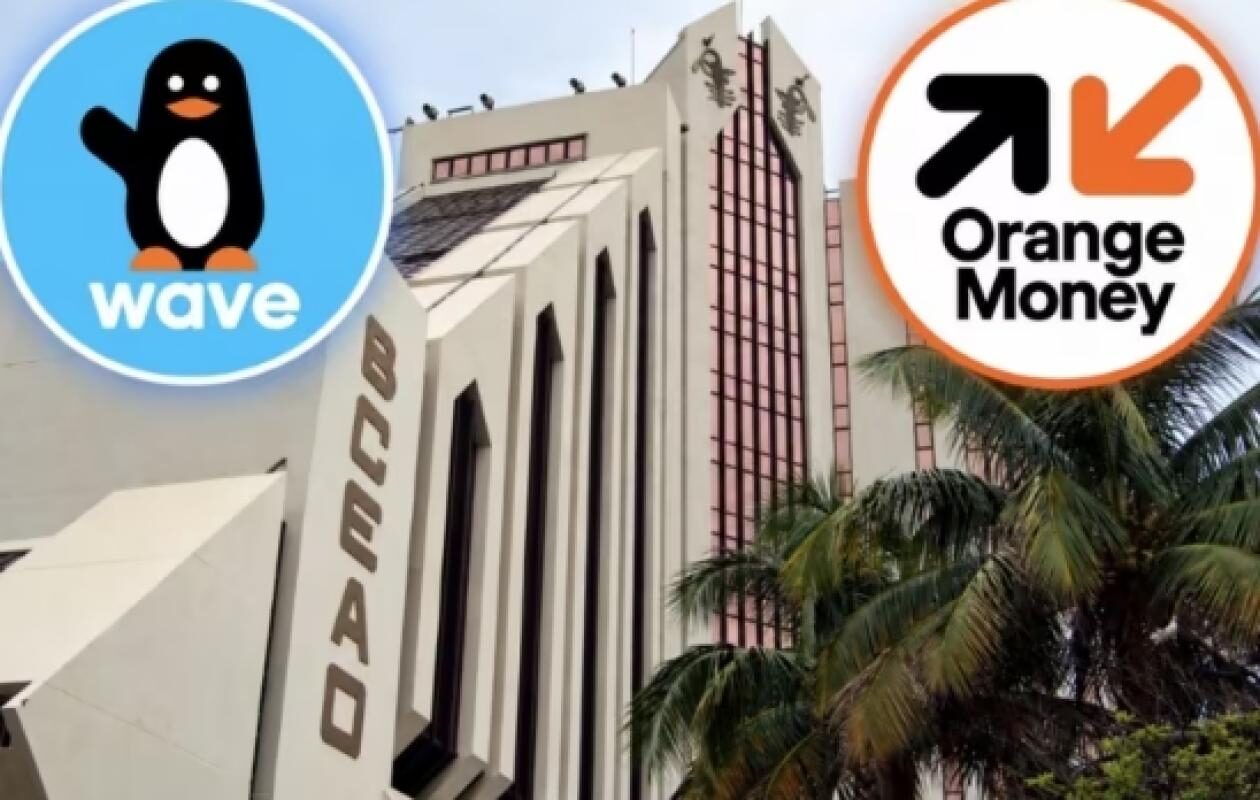
Senegal: PI-SPI Obligatoire Transferts Bancaires Wave Orange Money Échouent
Summary
- As of November 2, 2026, all interoperable electronic money operations in UEMOA must use the BCEAO's PI-SPI instant payment platform.
- The mandatory PI-SPI integration has led to initial failures for bank-to-mobile wallet transfers with services like Wave and Orange Money.
- The PI-SPI platform connects 80 financial institutions across UEMOA, enabling secure, instant, 24/7 transactions.
- Mobile money account limits doubled to 4 million FCFA, and monthly top-up limits increased to 15 million FCFA on the same date.
- While small transfers up to 8,000 FCFA daily are free, the new system may reduce revenue for operators who do not diversify services.
Mandatory Platform Integration Causes Initial Disruptions
The new mandate, effective November 2, 2026, has, however, led to immediate operational challenges, with numerous bank-to-mobile wallet transfers failing for customers using services like Wave, Orange Money, and Flash.
As of November 2, 2026, all interoperable electronic money transactions within the West African Economic and Monetary Union (UEMOA) are now required to be processed through the PI-SPI, the instant payment platform developed by the Central Bank of West African States (BCEAO). This significant regulatory shift aims to streamline digital payments across the region, yet its immediate implementation has not been without complications.
Following the mandate, numerous customers attempting to transfer funds directly from their bank accounts to mobile wallets, including popular services like Wave, Orange Money, and Flash, reported experiencing failed transactions. This unexpected outcome left many users frustrated, with some expressing regret that no transitional period was provided to ease into the new system. The platform's introduction also coincided with a daily national transfer limit of 8,000 FCFA per user per provider, for which transfers remain free. Beyond this threshold, fees may apply, but they are capped at 0.8% of the transaction amount, excluding taxes, while the reception of funds continues to be free of charge.
Expanding Reach and Enhanced Capabilities
The PI-SPI platform represents a strategic initiative by the BCEAO to address long-standing challenges within the UEMOA's financial landscape, such as fragmented payment systems and excessive transaction costs that have historically impeded the widespread adoption of digital payments. Designed to facilitate secure and instantaneous transactions, the platform connects banks, electronic money institutions, and payment service providers, operating around the clock, every day of the week. Its expansion across all eight UEMOA member countries has been progressive, with 74 financial institutions integrated by the close of 2025, a number that grew to 80 by June 24, 2026.
Simultaneously with the PI-SPI's mandatory activation on November 2, 2026, the BCEAO also announced a substantial increase in mobile money account limits. The maximum balance permitted in electronic money accounts doubled from 2 million to 4 million FCFA, while the monthly cumulative limit for top-ups rose from 10 million to 15 million FCFA. These revised ceilings are intended to accommodate larger transaction volumes and encourage greater use of mobile financial services, aligning with the new requirement for interconnected mobile money operations.
Strategic Implications for Financial Operators
The introduction of the PI-SPI platform brings several key advantages, including enhanced instantaneity and continuous availability for financial transactions, as highlighted by Professor Souleymane Astou Diagne. A notable feature is the ability to conduct transfers using a mobile number as an alias, eliminating the need for users to provide detailed bank account information, such as a bank identification statement (RIB). This simplification is expected to improve user experience and accessibility.
However, the new framework also presents a strategic challenge for mobile money operators. The provision of free small transfers and the facilitation of inter-network exchanges could potentially diminish a portion of the revenue traditionally generated from transfer fees. Professor Diagne suggests that financial institutions and mobile money operators capable of diversifying their service offerings beyond basic money transfers will be better positioned to adapt and thrive in this evolving regulatory environment. The mandatory integration with the BCEAO's instant payment platform underscores a significant shift in the region's digital payment ecosystem, demanding robust compliance and operational adjustments from all connected entities.
Practical Implications
Lawyers and compliance officers advising financial institutions and mobile money operators in the UEMOA region must ensure their clients are fully integrated with the mandatory PI-SPI platform to avoid transaction failures. They should also review internal policies and client communications regarding the new mobile money account limits and the implications for transaction processing and compliance.
Source
How does this affect you?
Get an AI analysis of this article grounded in your jurisdictions, practice areas, and any policy documents you've uploaded to Wansom.
Wansom is AI and can make mistakes.