
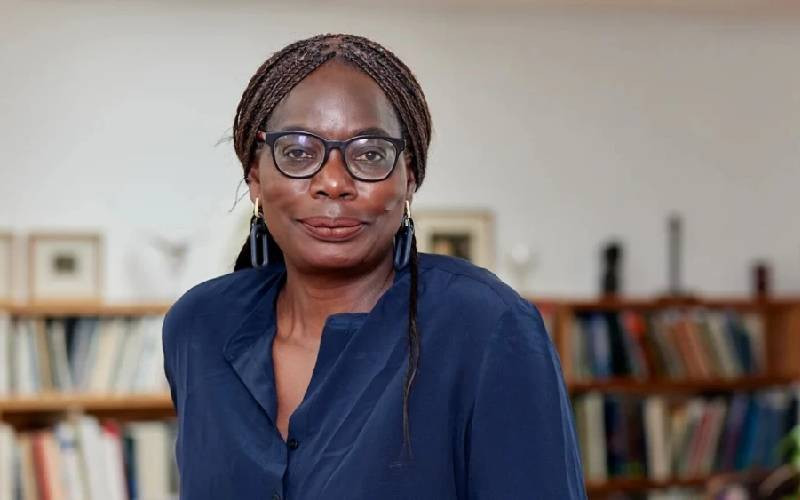
Kenya: Phoebe Okowa Re-elected ICJ Judge for Full Nine-Year Term
Summary
- Professor Phoebe Okowa of Kenya was initially elected as a judge to the International Court of Justice (ICJ) for a partial term, and has since been re-elected for a full nine-year term.
- Her initial election required securing an absolute majority of votes in both the UN General Assembly and the UN Security Council.
- Sierra Leone withdrew its candidate, Professor Charles Jalloh, to consolidate African support for Okowa after initial voting divisions during her first election.
- In the second round of her initial election, Okowa received 87 votes in the General Assembly but only four in the Security Council, prompting the strategic withdrawal.
- Sierra Leone's envoy warned that continued African divisions could lead to the loss of the continent's representation on the world court.
A Historic Appointment
Her re-election for a nine-year term ensures a Kenyan presence on the world's highest judicial body, potentially influencing the diverse perspectives brought to bear on complex international legal matters.
Professor Phoebe Okowa of Kenya was initially elected as a judge to the International Court of Justice (ICJ) in November 2025 to fill a casual vacancy, with her term set to expire on February 5, 2027. She has since been re-elected for a full nine-year term, commencing on February 6, 2027, and running until February 2036. Her initial appointment followed a highly competitive electoral process that required her to achieve an absolute majority of votes in both the United Nations General Assembly and the UN Security Council. This outcome marked a notable moment for Kenya's presence on the international legal stage, with Professor Okowa set to contribute to global jurisprudence from The Hague.
The path to her initial election was particularly intricate, characterized by strategic maneuvers among African nations vying for the coveted judicial position. A pivotal moment occurred when Sierra Leone opted to withdraw its own candidate, Professor Charles Jalloh, in favor of supporting Professor Okowa. This decision was explicitly aimed at consolidating African backing for the Kenyan scholar, thereby strengthening the continent's collective voice in that election.
The Electoral Dynamics
The election procedure for the International Court of Justice mandates that candidates must secure an absolute majority of votes from two distinct bodies: the UN General Assembly and the UN Security Council. These two powerful organs of the United Nations conduct their voting processes independently to fill any vacancies on the court. The complexity of this dual requirement often leads to prolonged and closely watched contests, as was the case with Professor Okowa's initial bid.
During the second round of voting for her initial election, the initial results highlighted a fragmented support base for the African candidates. Professor Okowa garnered 87 votes in the UN General Assembly, indicating strong support from the broader UN membership. However, her performance in the Security Council was significantly lower, receiving only four votes, which left her candidacy in an unresolved state. This disparity underscored the need for a unified approach from the African continent to ensure its representation on the global judicial body.
Unifying African Support
The divisions observed in the second round of the initial election prompted Sierra Leone to take decisive action. Its representative to the United Nations formally announced the withdrawal of Professor Charles Jalloh's candidature, declaring the government's full endorsement of Professor Phoebe Okowa. This strategic move was accompanied by a strong appeal to other African nations to rally behind the Kenyan candidate.
The Sierra Leonean envoy issued a stark warning to the General Assembly, emphasizing the potential consequences of continued disunity among African states. The representative articulated that a fragmented African vote risked the continent losing the single seat available to it, further diminishing its already insufficient representation on the International Court of Justice. The envoy firmly stated, "If Africa’s vote stays divided, the continent risks losing even the one seat now open to it and falling further below its already inadequate share. Sierra Leone will not let that happen." This powerful statement underscored the critical importance of continental solidarity in securing the position.
Broader Implications
The successful election of Professor Phoebe Okowa to the International Court of Justice carries significant weight beyond her individual achievement. Her re-election for a nine-year term ensures a Kenyan presence on the world's highest judicial body, potentially influencing the diverse perspectives brought to bear on complex international legal matters. This outcome reflects a concerted effort to enhance African representation within crucial global institutions.
The strategic decision by Sierra Leone to withdraw its candidate and consolidate support for Professor Okowa during her initial election highlights a growing recognition among African nations of the need for unified action to secure their interests on the global stage. This collaborative approach proved instrumental in overcoming initial divisions and ultimately ensuring that the continent retained a vital voice within the ICJ. The election of Professor Phoebe Okowa International Court of Justice judge is a testament to both her qualifications and the effectiveness of pan-African diplomatic efforts.
Practical Implications
This development signifies Kenya's increased representation on the global judicial stage, which may indirectly influence the perspective or composition of future international legal decisions. However, for a lawyer or compliance officer, there is no direct, immediate actionable implication from this specific news item in terms of new regulations, compliance requirements, or legal precedents to cite.
Source
How does this affect you?
Get an AI analysis of this article grounded in your jurisdictions, practice areas, and any policy documents you've uploaded to Wansom.
Wansom is AI and can make mistakes.