
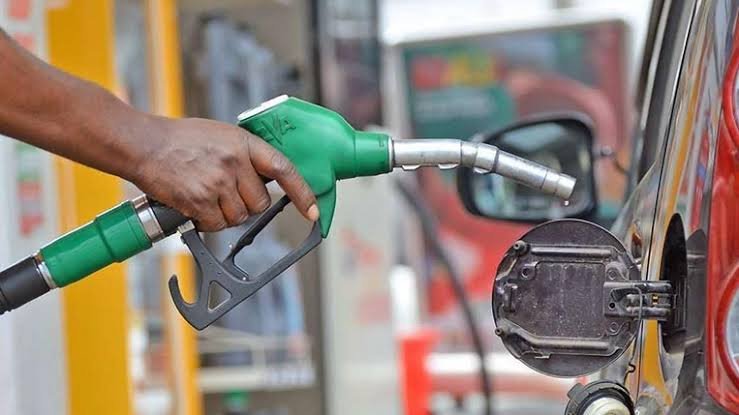
Petrol, Diesel Prices Set to Climb
Summary
- The Department of Mineral and Petroleum Resources (DMPR) announced an increase for all fuel types, effective from Wednesday.
- The average Brent Crude oil price rose from $87.89 USD to $101 USD, driven by US/Iran tensions, Strait of Hormuz uncertainty, higher shipping costs, and decreasing inventories.
- International product prices for petrol, diesel, and illuminating paraffin increased due to supply shortages and lower global inventories.
- These factors led to Basic Fuel Price (BFP) increases of 329.07 c/l for petrol, 280.17 c/l for diesel, and 357.23 c/l for illuminating paraffin.
- A strengthening Rand against the USD provided minor relief, reducing BFP contributions by 0.17 c/l for petrol, 0.22 c/l for diesel, and 0.21 c/l for illuminating paraffin.
South Africa Faces Significant Fuel Price Hike
Legal professionals should proactively advise clients, especially those in logistics, manufacturing, and retail, to thoroughly review their existing supply chain and transport contracts.
The Department of Mineral and Petroleum Resources (DMPR) has confirmed an impending increase across all fuel categories in South Africa. This significant adjustment to fuel prices is set to take effect from Wednesday, impacting consumers and businesses nationwide. The announcement signals a notable DMPR South Africa petrol diesel price increase, alongside other fuel types.
This widespread increase will affect not only petrol and diesel but also illuminating paraffin, propane, and butane, marking a comprehensive ZA petrol diesel price adjustment. The move is expected to ripple through various sectors of the economy, influencing operational costs and consumer spending power from the middle of the week.
Global Factors Drive Up Costs
A key factor contributing to the current South Africa fuel price hike is the substantial rise in the average Brent Crude oil price. During the period under review, this international benchmark escalated from 87.89 US Dollars (USD) to 101 USD. This surge in crude oil costs is attributed to several geopolitical and supply-side pressures, including ongoing tensions between the United States and Iran, which introduce uncertainty regarding oil transit through the critical Strait of Hormuz. Additionally, higher global shipping costs and a reduction in overall oil inventories have played a role in pushing up the Brent Crude oil price South Africa fuel market experiences.
Beyond crude oil, the average international product prices for petrol, diesel, and illuminating paraffin also saw an increase. This was primarily due to supply shortages stemming from lower global inventories of refined products. These combined factors led to significant contributions to the Basic Fuel Prices (BFP) for various fuels. Petrol's BFP saw an increase of 329.07 cents per litre (c/l), while diesel's BFP rose by 280.17 c/l. Illuminating paraffin experienced the steepest increase, with its BFP climbing by 357.23 c/l. Furthermore, the prices of Propane and Butane also registered increases during the review period, driven by similar supply uncertainties in the global market.
Rand's Strength Offers Minor Relief
Despite the widespread increases, a strengthening of the South African Rand against the US Dollar provided a marginal counter-effect. This currency appreciation led to slightly lower contributions to the Basic Fuel Prices for petrol, diesel, and illuminating paraffin. Specifically, the Rand's performance reduced petrol's BFP by 0.17 c/l, diesel's by 0.22 c/l, and illuminating paraffin's by 0.21 c/l.
While not enough to fully offset the global price surges, this currency movement offered a small degree of relief in the overall pricing structure. However, the dominant global factors ensured that the net effect remains a significant increase across all fuel types.
Economic Implications and Legal Considerations
The impending DMPR South Africa petrol diesel price increase is set to have far-reaching economic implications across various sectors. Businesses, particularly those heavily reliant on transportation and logistics, will face increased operational costs. This includes manufacturing, retail, and agricultural industries, where fuel is a significant input. The illuminating paraffin price increase South Africa will also disproportionately affect lower-income households, who often rely on this fuel for heating and lighting.
Legal professionals should proactively advise clients, especially those in logistics, manufacturing, and retail, to thoroughly review their existing supply chain and transport contracts. These agreements often contain clauses related to fuel price adjustments, which will now become critical. The current ZA petrol diesel price adjustment necessitates a careful examination of these terms, as it will directly impact budgeting and potentially require renegotiation of agreements or strategic adjustments to pricing models to absorb or pass on these elevated costs.
Practical Implications
Lawyers should advise clients, particularly those in logistics, manufacturing, and retail, to review existing supply chain and transport contracts for clauses related to fuel price adjustments. This increase will impact operational costs and may necessitate renegotiation or strategic adjustments to pricing and budgeting.
Source
How does this affect you?
Get an AI analysis of this article grounded in your jurisdictions, practice areas, and any policy documents you've uploaded to Wansom.
Finish Reading the Full Story and the Expert Analysis.
Get the latest legal & regulatory intelligence in South Africa
Wansom is AI and can make mistakes.