
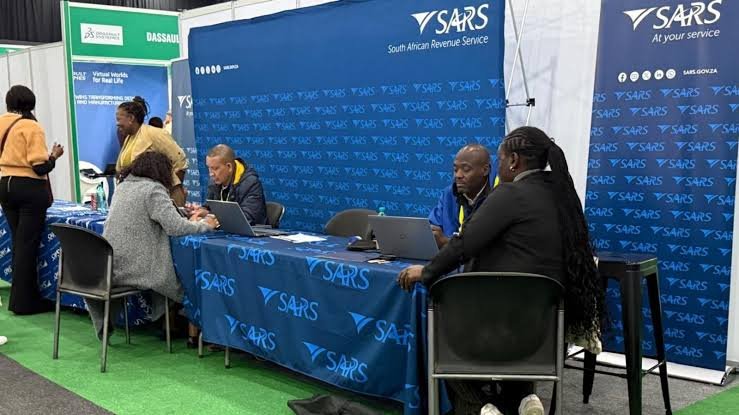
SARS is going digital
Summary
- The South African Revenue Service (SARS) has released a VAT Modernisation Consultation Paper proposing a Digital VAT Model.
- This model integrates e-invoicing, an interoperability framework, and e-reporting to enable structured, secure, and near real-time transaction data flows.
- The initiative signals a clear direction towards digital, data-driven tax administration, requiring businesses to assess their financial data readiness.
- While not mandated, Accounts Payable automation aligns with this digital shift, offering benefits like improved accuracy, efficiency, and governance.
- Businesses should evaluate their current finance processes and systems to ensure they can support a more digital and data-driven compliance landscape.
SARS Unveils Digital VAT Modernisation Plan
This strategic move prompts a critical question for finance leaders: is their organization's financial data sufficiently prepared for such a digitally advanced future?
The South African Revenue Service (SARS) has initiated a significant shift in its approach to tax administration with the release of its SARS VAT Modernisation Consultation Paper. This document outlines a proposed Digital VAT Model, signaling a substantial evolution in how Value-Added Tax may be managed across South Africa. The core objective of this new model is to facilitate structured, secure, and near real-time transaction data flows throughout the entire VAT ecosystem, moving towards a more integrated and data-driven tax environment.
This proposed model integrates three key components: e-invoicing, an interoperability framework, and e-reporting. While these proposals are currently under consultation, the overarching direction from SARS is unequivocally towards a digital transformation of tax administration, increasingly embedding it within the everyday operational systems utilized by businesses. This strategic move prompts a critical question for finance leaders: is their organization's financial data sufficiently prepared for such a digitally advanced future?
The Proposed Digital VAT Model and Its Requirements
The SARS Digital VAT Model South Africa aims to modernize tax compliance by leveraging technology to enhance transparency and efficiency. The integration of e-invoicing, a comprehensive VAT interoperability framework ZA, and robust e-reporting mechanisms forms the bedrock of this initiative. These elements are designed to create a seamless digital pathway for VAT-related data, moving away from traditional, often manual, processes that can be prone to errors and delays.
Although the specific ZA VAT e-reporting requirements are still being refined through the consultation process, the intent is clear: businesses will need to ensure their systems can generate and transmit VAT data in a structured, digital format. This represents a significant step in South Africa's tax digital transformation journey, requiring companies to re-evaluate their current financial infrastructure and data management practices to align with SARS's long-term vision for a more automated and accurate tax collection system.
Preparing Financial Systems for Digital Transformation
In light of SARS's digital push, businesses must critically assess their internal finance processes, systems, and data capabilities to ensure they can support a more digital and data-driven environment. Many organizations continue to rely on outdated methods, such as spreadsheets, manual invoice capture, paper-based approvals, and disconnected systems. Historically, these approaches may have sufficed, but they often lead to inefficiencies, duplicated efforts, and significant challenges in maintaining accurate, auditable financial records at scale.
While Accounts Payable (AP) automation is not explicitly mandated by SARS's proposed Digital VAT Model, it aligns closely with the broader movement towards structured digital transaction data. Stephen Howe, Director at Times 3 Technologies, a Sage financial software Platinum partner with three decades of experience implementing business solutions across Africa, emphasizes that AP has evolved beyond a mere administrative function. He views it as a crucial strategic control point for cash flow, compliance, governance, and operational efficiency. Technologies such as optical character recognition (OCR), intelligent document processing, and workflow automation can transform traditional AP processes, allowing supplier invoices to be received via dedicated digital channels, automatically read, and converted into draft payable transactions for review and approval without manual recapturing. This not only improves financial accuracy and reduces manual administrative effort but also provides faster processing, enhanced accuracy, and greater visibility across the entire procure-to-pay cycle, ultimately supporting more effective cash flow management and improved supplier relationships.
Practical Implications
Lawyers and compliance officers should advise South African businesses to review and prepare their financial systems and data for SARS's proposed Digital VAT Model, focusing on e-invoicing, e-reporting, and data interoperability to ensure future tax compliance and mitigate risks associated with manual processes.
Source
How does this affect you?
Get an AI analysis of this article grounded in your jurisdictions, practice areas, and any policy documents you've uploaded to Wansom.
Finish Reading the Full Story and the Expert Analysis.
Get the latest legal & regulatory intelligence in South Africa
Wansom is AI and can make mistakes.