
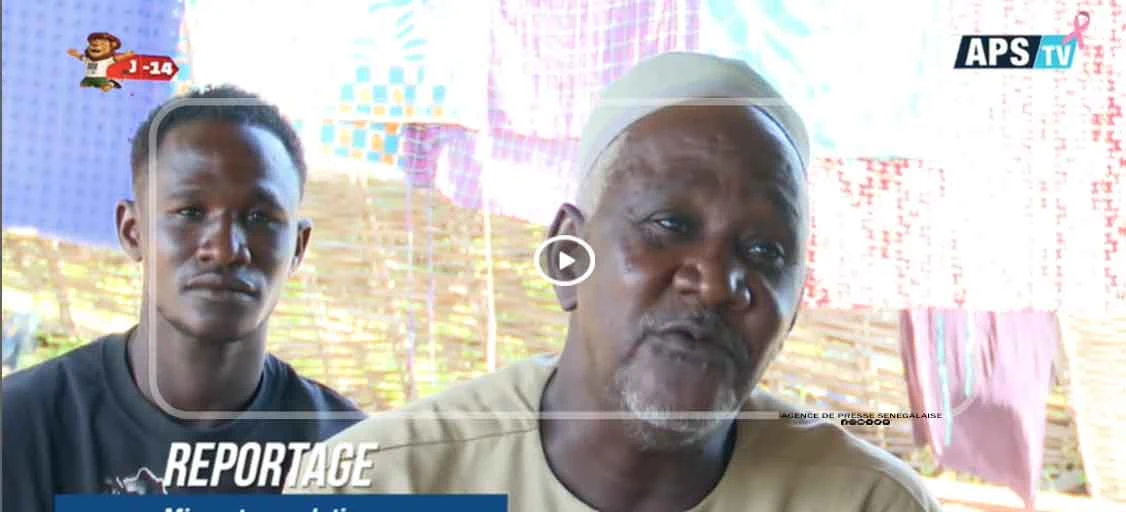
Petowal Mining Company: Tomboronkoto Land Compensation Talks Advance
Summary
- Hundreds of families in Tomboronkoto, Kédougou, face potential displacement due to a new gold mining operation.
- Petowal Mining Company is currently negotiating with local populations and authorities over the terms of this displacement.
- Discussions center on who will be relocated, the conditions of their move, and future guarantees for affected residents.
- The negotiations are addressing crucial issues of land compensation and community resettlement.
- The outcome of these talks could set an important precedent for future mining projects and regulatory standards in Senegal.
Negotiations Underway in Kédougou
The framework and agreements established in Tomboronkoto are poised to create a significant precedent for how future resource extraction projects in Senegal will manage community displacement and land rights issues.
In Senegal's Kédougou region, specifically within the community of Tomboronkoto, a significant gold deposit is slated for exploitation, a development that could necessitate the relocation of hundreds of families from their ancestral lands. This large-scale mining operation, spearheaded by Petowal Mining Company, has initiated critical discussions with local populations and governmental authorities regarding the impending changes.
The core of these ongoing Petowal Mining Company negotiations revolves around the potential displacement of residents. Stakeholders are currently engaged in dialogue to determine who among the local populace will be affected by the project, under what specific conditions any relocation would occur, and what comprehensive guarantees will be provided to secure their future livelihoods and well-being. The outcome of these discussions is crucial for the community facing the prospect of Senegal gold mining displacement.
Addressing Land Rights and Compensation
The central focus of the current discussions is the critical issue of indemnisation terres minières Sénégal, or land compensation, for those families whose properties and way of life will be impacted by the gold mining activities. These negotiations are not merely about financial payouts but encompass a broader Kédougou land rights dispute, aiming to establish equitable terms for resettlement and future support.
Key questions being addressed include the valuation of land and assets, the provision of alternative housing, and access to new agricultural or economic opportunities for those who will be part of the mining community resettlement Senegal. The involvement of local populations, government representatives, and Petowal Mining Company underscores the complex nature of balancing economic development with community rights and environmental stewardship.
Setting a Precedent for Future Projects
The resolution of the Petowal Mining Company Tomboronkoto land compensation dispute holds substantial implications beyond the immediate community. The framework and agreements established in Tomboronkoto are poised to create a significant precedent for how future resource extraction projects in Senegal will manage community displacement and land rights issues.
Lawyers advising mining companies or communities in Senegal should closely monitor these ongoing negotiations. The outcomes regarding land compensation and resettlement could establish critical benchmarks for regulatory compliance requirements, influencing social impact assessments and community engagement strategies for all future mining endeavors in the nation. This case highlights the evolving landscape of corporate responsibility and community engagement in the context of large-scale development projects.
Practical Implications
Lawyers advising mining companies or communities in Senegal should monitor the ongoing negotiations between Petowal Mining Company and local populations in Tomboronkoto, as the outcomes regarding land compensation and resettlement could establish critical precedents for future resource extraction projects and influence regulatory compliance requirements for social impact assessments and community engagement.
Source
How does this affect you?
Get an AI analysis of this article grounded in your jurisdictions, practice areas, and any policy documents you've uploaded to Wansom.
Finish Reading the Full Story and the Expert Analysis.
Get the latest legal & regulatory intelligence in Senegal
Wansom is AI and can make mistakes.