
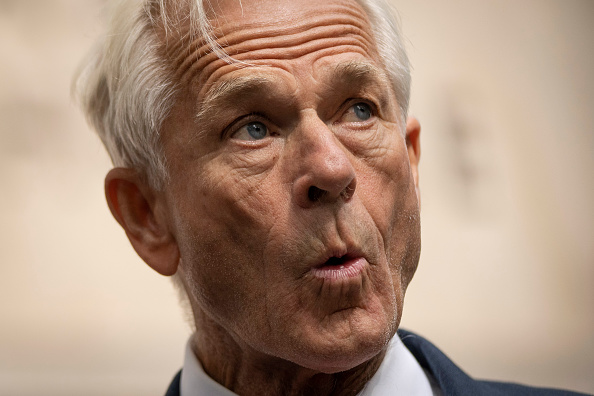
Peter Navarro Wants US Prosecutor Fired for Prosecuting Him
Summary
- Peter Navarro appeared on Steve Bannon's 'War Room' podcast and lashed out at U.S. Attorney Jeanine Pirro over a prosecutor she refused to fire.
- Navarro served time in federal prison for contempt of court and remains convinced that the real criminal was the prosecutor.
- The incident raises concerns about potential conflict of interest and exposure to criticism for government officials who may be seen as attempting to influence or retaliate against prosecutors.
- Maintaining independence and impartiality among prosecutors is critical for upholding justice and the rule of law.
Peter Navarro's Outburst on Steve Bannon's 'War Room'
Navarro's demand that Pirro fire Crabb raises concerns about whether he is attempting to exert influence over the prosecution process.
On Monday, Peter Navarro appeared on Steve Bannon's 'War Room' podcast, where he lashed out at U.S. Attorney for the District of Columbia Jeanine Pirro. The former White House trade adviser became agitated when Bannon mentioned Pirro's name, insisting that she should fire John Crabb, a prosecutor who was involved in putting Navarro behind bars. Navarro's behavior raised eyebrows, particularly given his own history of serving time in federal prison for contempt of court. His outburst has sparked questions about the potential conflict of interest and exposure to criticism for government officials who may be seen as attempting to influence or retaliate against prosecutors.
Legal Context: Prosecutorial Independence
The incident highlights a critical aspect of the justice system: maintaining independence and impartiality among prosecutors. Prosecutors are expected to remain neutral and unbiased in their decision-making, free from external pressures or influences. Navarro's demand that Pirro fire Crabb raises concerns about whether he is attempting to exert influence over the prosecution process. This development underscores the importance of ensuring that government officials do not interfere with the independence of prosecutors, who play a crucial role in upholding justice and the rule of law.
Why It Matters: Protecting the Integrity of the Justice System
The Navarro-Pirro-Crabb controversy has significant implications for the integrity of the justice system. If government officials are seen as attempting to influence or retaliate against prosecutors, it can erode public trust in the system and undermine its effectiveness. The incident serves as a reminder that maintaining independence and impartiality among prosecutors is essential for ensuring that justice is served fairly and without bias. As such, it is crucial that government officials refrain from interfering with the prosecution process and allow prosecutors to operate independently, free from external pressures or influences.
Practical Implications
This development highlights a potential conflict of interest and exposure to criticism for government officials who may be seen as attempting to influence or retaliate against prosecutors, underscoring the importance of maintaining independence and impartiality in the justice system.
Source
How does this affect you?
Get an AI analysis of this article grounded in your jurisdictions, practice areas, and any policy documents you've uploaded to Wansom.
Wansom is AI and can make mistakes.