
Trump Admin's ICC Sanctions Lawsuit Challenged by US Human Rights Groups
Summary
- Four American human rights groups have filed a lawsuit challenging the Trump administration's sanctions on ICC officials.
- The groups claim that President Trump's executive order is an unlawful abuse of power, constituting a frontal attack on the rule of law and international cooperation.
- The lawsuit seeks to strike down the executive order and declares it ultra vires, or outside Trump's authority.
The Trump Administration's ICC Sanctions Regime
The effect is to cause grave damage to the ability to bring to justice the perpetrators of genocide, war crimes, and crimes against humanity.
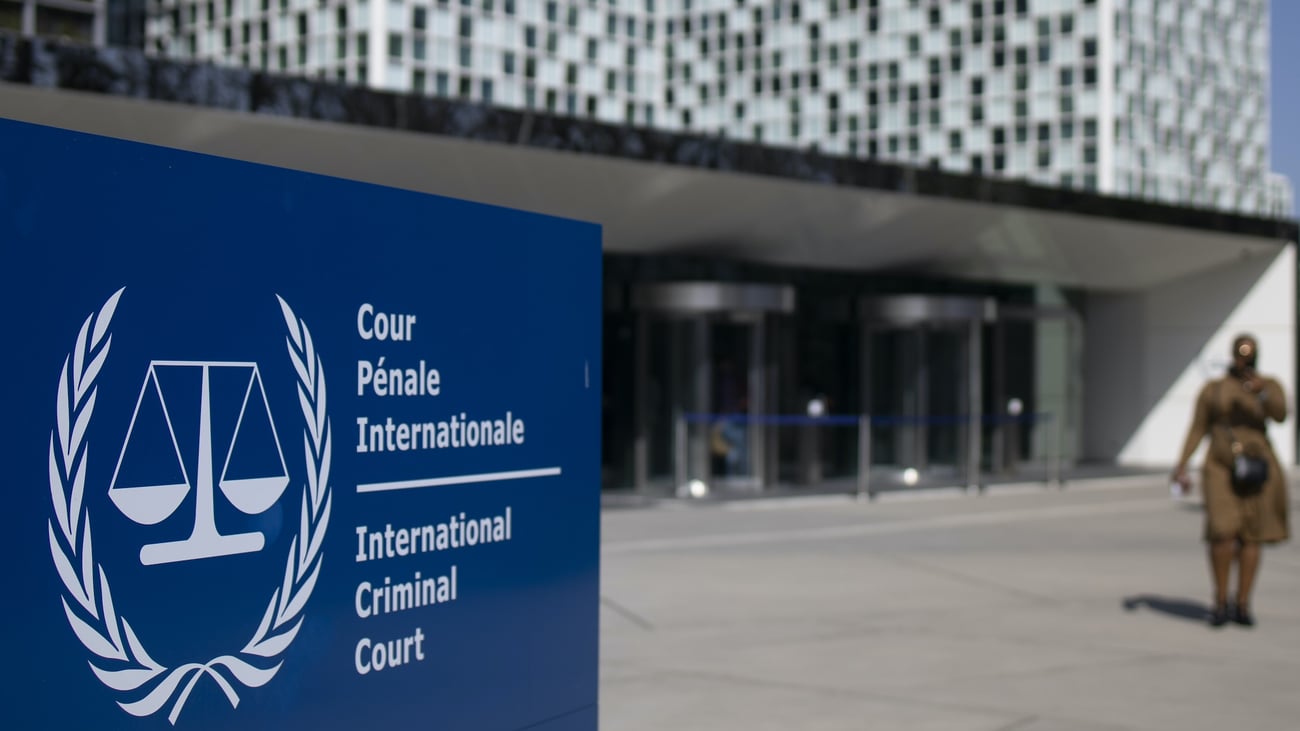
Four American human rights groups have filed a lawsuit in New York federal court challenging the Trump administration's sanctions on individuals and organizations affiliated with or assisting the work of the International Criminal Court. The groups claim that President Donald Trump's executive order authorizing the imposition of sanctions is an unlawful abuse of power, constituting a frontal attack on the rule of law and the independence of judges, prosecutors, and lawyers. The suit seeks to strike down the executive order, which was issued in February 2025, and declares it ultra vires, or outside Trump's authority. The groups argue that the sanctions regime violates several US laws and international agreements, including the International Emergency Economic Powers Act, the Administrative Procedure Act, and the Religious Freedom Restoration Act.
The Impact on Human Rights Advocates
The four human rights groups - American Friends Service Committee, Center for Constitutional Rights, Human Rights Watch, and Open Society Foundations - have referred to the direct effects of the financial sanctions as tantamount to a 'financial death penalty.' The groups claim that the sanctions regime has already been used to sanction eight ICC judges and three senior prosecutors, as well as several human rights organizations and a United Nations expert. This has had a chilling effect on human rights advocacy in the US, with many advocates fearing reprisal for their work supporting the ICC. The lawsuit aims to protect the ability of human rights groups to access international justice mechanisms without fear of retribution.
The Legal Context
The lawsuit challenges the Trump administration's use of a 'pseudo national emergency' as justification for imposing sanctions on individuals and organizations working with the ICC. The groups argue that this is not an actual national emergency, but rather a pretext to undermine the rule of law and international cooperation. The case raises important questions about the limits of executive power and the role of the US in upholding international human rights norms. The lawsuit also highlights the tension between the Trump administration's rhetoric on human rights and its actions in practice.
Practical Implications
Lawyers representing clients affected by the Trump administration's ICC sanctions regime should watch for potential changes to the sanctions regime or new developments in this lawsuit, which could impact their clients' ability to access international justice mechanisms.
Source
Source: Original reporting via CN
How does this affect you?
Get an AI analysis of this article grounded in your jurisdictions, practice areas, and any policy documents you've uploaded to Wansom.
Wansom is AI and can make mistakes.