
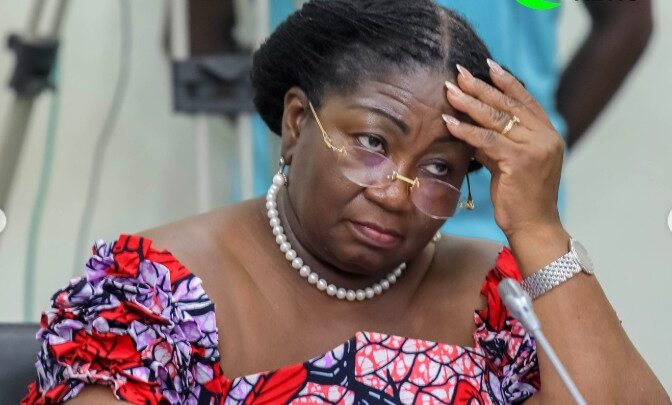
Patricia Appiagyei: Denies GH¢70k Gift Fake Memo Allegations
Summary
- Deputy Minority Whip Jerry Ahmed Shaib denied claims that Deputy Minority Leader Patricia Appiagyei returned a GH¢70,000 gift.
- Shaib stated there was "no truth whatsoever" to reports based on a purported fake memo regarding the alleged gift.
- The alleged gift was linked to the vetting of ministerial and Supreme Court nominees by Parliament's Appointments Committee.
- The fabricated memo falsely claimed Appiagyei cited not knowing the money's source and the Minority's objection to vetting Supreme Court nominees as reasons for returning the funds.
- Shaib confirmed Appiagyei was upset by the reports and denied receiving any money to influence vetting.
Allegations and Official Denial
There is no truth whatsoever in that story.
A significant controversy has emerged regarding alleged financial impropriety within Ghana's parliamentary vetting process, specifically involving Deputy Minority Leader Patricia Appiagyei. Reports circulated claiming that Ms. Appiagyei had returned a sum of GH¢70,000, purportedly received as a "gift" intended for members of Parliament’s Appointments Committee. This alleged payment was reportedly linked to the vetting of both ministerial and Supreme Court nominees, sparking concerns about the integrity of the process.
However, these claims have been vehemently denied by Jerry Ahmed Shaib, the Second Deputy Minority Whip. Speaking to TV3 on Friday, September 4, Mr. Shaib unequivocally stated that there was "no truth whatsoever" to the allegations. He urged the public to dismiss the information, which he characterized as based on a fabricated memorandum attributed to Ms. Appiagyei. Mr. Shaib confirmed that he had personally spoken with the Deputy Minority Leader, who expressed significant distress and confusion over the origin and basis of these circulating reports.
Mr. Shaib further emphasized that neither he nor Ms. Appiagyei had received any funds intended to influence the vetting of ministerial nominees. He asserted his lack of knowledge regarding the source of these allegations, stressing that Ms. Appiagyei had not accepted any money from anyone and was unaware of the origins of the purported document bearing her signature. The denial directly addresses the core of the Patricia Appiagyei GH¢70k gift fake memo narrative, aiming to dispel the notion of any wrongdoing.
The Purported Memo's Content
The widespread reports that prompted Mr. Shaib's denial were rooted in a purported memorandum, dated September 2. This document, which has since been dismissed as fake, was allegedly addressed to Minority Chief Whip Frank Annoh-Dompreh, with Minority Leader Alexander Afenyo-Markin also copied. The fabricated memo claimed that Ms. Appiagyei had directed the return of GH¢70,000, which it suggested had been advanced to her by the Majority Chief Whip of Parliament.
According to the content of this discredited document, Ms. Appiagyei's decision to return the funds was based on two primary reasons. Firstly, the memo stated an unwillingness to accept financial benefits when vetting parliamentary colleagues, specifically mentioning Hon. Mahama Ayariga and Hon. Zanetor Agyemang-Rawlings. Secondly, the purported memo linked her decision to the Minority Caucus's objection and non-participation in the vetting of three Supreme Court nominees: Justice Sophia Rosetta Oduokuwa Bernasko Essah, Justice Edward Amoako Asante, and Justice Anthony Forson Jnr. The document falsely claimed Ms. Appiagyei found it "totally unthinkable" to accept any gift from judges given the Minority's stance on their vetting.
Implications for Public Trust and Scrutiny
Despite the official denial that the Patricia Appiagyei gift claims hold any truth and the assertion that the memo is fake, this incident highlights the intense scrutiny surrounding Ghana's parliamentary vetting processes. Allegations of impropriety, even if unfounded, can significantly impact public trust in governmental institutions and the integrity of legislative procedures. The swift and firm denial by the Deputy Minority Whip underscores the sensitivity of such accusations, particularly concerning financial benefits and the potential for undue influence in critical appointments.
This episode contributes to ongoing discussions about Ghana anti-corruption parliamentary ethics and the need for robust transparency mechanisms. The very existence of such a detailed, albeit fake, memo suggests a public awareness of potential vulnerabilities within the system, making it imperative for parliamentary bodies to reinforce ethical guidelines. The incident serves as a reminder of the constant vigilance required to safeguard the credibility of the Supreme Court nominees vetting Ghana and other high-profile appointments, ensuring that public service remains untainted by even the perception of corruption.
Practical Implications
This incident, despite the denial, underscores the high level of scrutiny and potential for allegations of impropriety in Ghana's parliamentary vetting processes. Lawyers and compliance officers should monitor ongoing discussions and reforms related to parliamentary ethics and anti-corruption, particularly concerning gifts and financial benefits in public office, as such claims can impact institutional integrity and public trust.
Source
How does this affect you?
Get an AI analysis of this article grounded in your jurisdictions, practice areas, and any policy documents you've uploaded to Wansom.
Finish Reading the Full Story and the Expert Analysis.
Wansom is AI and can make mistakes.