
Ghana: Operation Water Shield Shows Significant Galamsey Progress
Summary
- Ghana's Minister for Lands and Natural Resources, Emmanuel Armah-Kofi Buah, reports significant progress in the fight against illegal mining under Operation Water Shield.
- The operation has led to the removal of over 3,000 illegal mining machines and the arrest of 237 suspects, including 144 foreign nationals.
- Operation Water Shield, involving NAIMOS and other security forces, has shifted to permanent deployments and is expanding to target the Tano and Offin rivers by year-end.
- Authorities confirm that mining operations, even those with legitimate licenses, will be targeted if they are found to be polluting water bodies.
- The initiative aims to protect Ghana's critical water resources and dismantle illegal mining networks beyond just equipment removal.
Ghana's Intensified Galamsey Crackdown
Crucially, authorities have confirmed that mining sites found to be impacting water bodies will face enforcement action, irrespective of whether their operators possess legitimate mining licenses.
Ghana's Minister for Lands and Natural Resources, Emmanuel Armah-Kofi Buah, has reported significant progress in the nation's ongoing fight against illegal mining, commonly known as galamsey. This positive development is attributed to the sustained efforts under "Operation Water Shield," a comprehensive initiative aimed at safeguarding the country's vital water bodies.
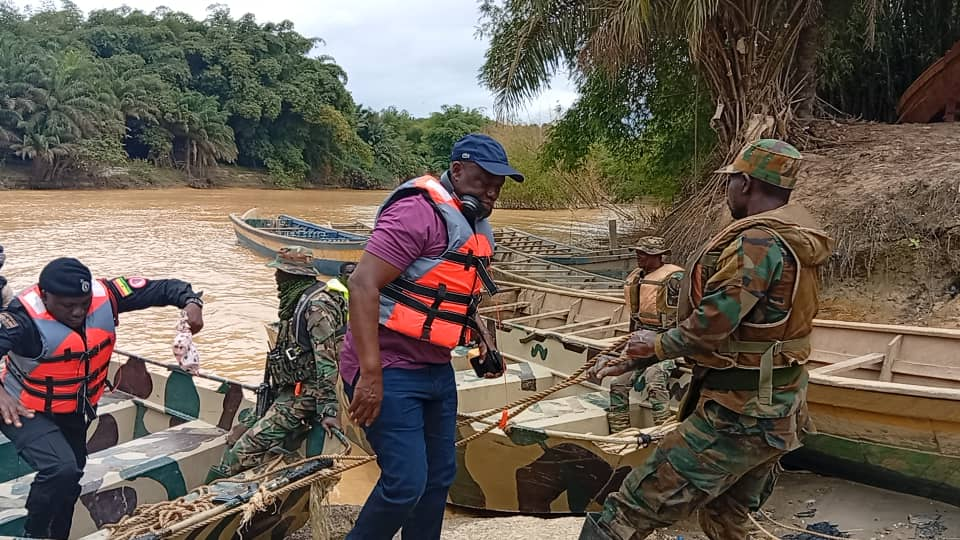
During an inspection tour of a 16-kilometre stretch of the Ankobra River near Dominase in the Western Region, Minister Buah observed a marked improvement in the river's condition. He noted that the Ankobra, which was previously heavily polluted and difficult to navigate, is now accessible, clear, and smooth along the inspected section. This transformation is presented as compelling evidence against claims that the government is losing the battle against illegal mining.
The operation has yielded substantial results, with over 3,000 illegal mining machines removed from major river bodies across Ghana. Furthermore, authorities have apprehended 237 suspects in connection with these illicit activities, including 144 foreign nationals. This success is largely credited to a strategic shift by the government from sporadic raids to the deployment of permanent security personnel, a change that is now demonstrably yielding positive outcomes.
Expanding Scope of Operation Water Shield
Operation Water Shield is a multi-agency effort involving the National Anti-Illegal Mining Operations Secretariat (NAIMOS), the Special Boat Squadron, and Blue Water Guards. The initiative specifically targets the dismantling of illegal changfa mining operations and works to secure rivers from armed groups often associated with protecting illegal miners. Security personnel are maintaining permanent patrols along affected river sections to ensure sustained enforcement.
Colonel K. S. Appiah, Director of Operations at NAIMOS, confirmed the operation's planned expansion to additional major river bodies. The campaign initially commenced on the Birim River at the end of July before moving to the Ankobra. Looking ahead, the Tano and Offin rivers are slated as the next targets for intervention before the close of the year. This systematic approach underscores a broader strategy for NAIMOS water body protection Ghana.
Beyond surface-level interventions, the scope of Operation Water Shield is also extending beyond riverbanks. Security teams are now actively targeting underground tunnels constructed by illegal miners, aiming to disrupt their operations directly at the source. This comprehensive strategy focuses not only on the removal of equipment but also on dismantling the intricate networks and syndicates that facilitate illegal mining activities.
Heightened Scrutiny for Licensed Mining Operations
A significant development within Operation Water Shield is the explicit declaration by Colonel Appiah that the initiative will also target mining sites whose activities are found to be impacting water bodies, irrespective of whether their operators hold legitimate mining licenses. This policy signals a heightened level of scrutiny and enforcement for all mining entities, including those operating legally, if their practices contribute to water pollution.
This crucial directive indicates that possessing a legitimate permit will not exempt companies from facing enforcement actions if environmental damage to Ghana's water bodies is identified. The move aligns with the government's overarching objective to protect the nation's critical water resources and prevent illegal mining activities from regaining ground after security forces withdraw. It underscores a commitment to holding all actors accountable for environmental stewardship, reinforcing the importance of licensed miners water pollution enforcement.
Strategic Enforcement and Future Outlook
The government's commitment to sustained operations under Operation Water Shield underscores a long-term strategy to safeguard Ghana's environment and ensure the navigability and ecological health of its rivers. This proactive approach, moving beyond reactive raids, is intended to ensure lasting protection for critical water bodies like the Ankobra, Birim, Tano, and Offin.
This comprehensive crackdown, targeting both illegal miners and potentially non-compliant licensed entities, reflects a robust and unwavering stance against water pollution. The ongoing effort is positioned by authorities as a definitive step towards winning the fight against galamsey, ensuring the long-term sustainability of Ghana’s natural resources.
Practical Implications
Lawyers and compliance officers advising mining companies in Ghana, including those with legitimate licenses, must note the intensified and expanded enforcement under Operation Water Shield, particularly regarding water body protection. This signals heightened regulatory scrutiny and increased legal risk for any operations impacting rivers, necessitating a review of environmental compliance and operational practices to avoid penalties or asset seizures.
Source
How does this affect you?
Get an AI analysis of this article grounded in your jurisdictions, practice areas, and any policy documents you've uploaded to Wansom.
Finish Reading the Full Story and the Expert Analysis.
Wansom is AI and can make mistakes.