
PASTEF Résolution Décret Présidentiel LFR 2026: Sénégal Députés Contestent Loi Rejetée
Summary
- Deputies in Senegal's National Assembly have introduced a resolution challenging a presidential decree.
- The decree enacted the rectified finance law for 2026 (LFR 2026), which the Assembly had rejected on November 3rd.
- The resolution, presented by Mme le rapporteur and supported by PASTEF, contests the executive's power to implement a rejected law.
- This action highlights a significant dispute over the constitutional limits of executive and legislative authority in Senegal.
The Legislative Challenge
This challenge is not merely about the LFR 2026 itself but about establishing a precedent for how rejected legislation can, or cannot, be subsequently enacted.
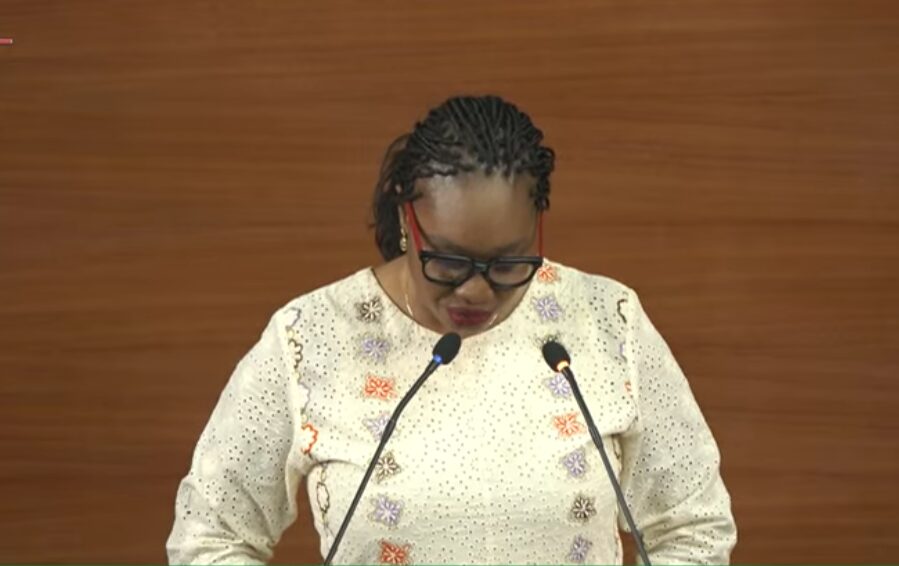
The ongoing disagreement surrounding Senegal's rectified finance law for the year 2026, known as LFR 2026, has escalated within the National Assembly. This new phase of the legislative debate centers on a resolution proposal put forth by a group of deputies. The initiative, presented by Mme le rapporteur, directly challenges an executive action: the presidential decree that brought into force a legislative text. This particular text had previously faced outright rejection during a plenary session of the Assembly, specifically on November 3rd.
The deputies behind this resolution, which includes members of the PASTEF opposition, are asserting the legislative body's authority. Their move represents a direct contestation of the executive's power to implement a law that the elected representatives had explicitly voted against. The core of their argument revolves around the principle that a text rejected by the National Assembly should not subsequently be enacted through a presidential decree, thereby circumventing the parliamentary process and the will of the legislature. This action underscores a significant point of contention regarding the boundaries of executive and legislative powers in the Senegalese political system.
Constitutional Framework and Executive Power
The legal framework governing financial legislation in Senegal typically vests significant authority in the National Assembly. A rectified finance law, such as the LFR 2026, undergoes a rigorous parliamentary review and approval process, reflecting the legislature's constitutional mandate over public finances. The rejection of such a text in a plenary session, as occurred on November 3rd, is a definitive expression of the Assembly's legislative will. This rejection signals that the proposed law, in its then-current form, did not garner the necessary parliamentary support to proceed.
The subsequent enactment of this same rejected text via a presidential decree introduces a critical question regarding the interplay between the executive and legislative branches. While presidential decrees are a legitimate tool for executive action, their use to implement legislation explicitly rejected by the National Assembly raises concerns about the respect for parliamentary sovereignty and the established legislative procedures. This situation highlights a potential tension in Senegal's droit parlementaire exécutif, where the executive's prerogative to issue decrees is being weighed against the legislature's power to approve or reject laws. The resolution from PASTEF and other deputies directly addresses this perceived overreach, seeking to affirm the National Assembly's role in the law-making process.
Implications for Governance
The resolution initiated by the deputies, particularly those associated with PASTEF, carries substantial implications for the future of governance and the balance of power in Senegal. By formally contesting the presidential decree, the National Assembly is attempting to clarify the constitutional limits of executive authority when faced with a legislative rejection. This challenge is not merely about the LFR 2026 itself but about establishing a precedent for how rejected legislation can, or cannot, be subsequently enacted. The validity of a decree that bypasses a parliamentary rejection is now squarely under scrutiny.
Should the resolution succeed, it could reinforce the legislative branch's role and its power to check executive actions, particularly in critical areas like finance. Conversely, if the presidential decree's legitimacy is upheld despite the parliamentary rejection, it could be seen as diminishing the National Assembly's legislative authority and potentially altering the established separation of powers. This development is therefore crucial for understanding the evolving dynamics between the executive and the legislature, and it will undoubtedly influence future legislative processes and the interpretation of constitutional prerogatives in Senegal. The outcome of this contestation will provide significant clarity on the extent to which the executive can act independently of, or even in opposition to, the National Assembly's decisions.
Practical Implications
Lawyers and compliance officers in Senegal should closely monitor the outcome of PASTEF's resolution challenging the presidential decree. This development could clarify the constitutional limits of executive power to enact legislation rejected by the National Assembly, potentially influencing future legislative processes and the interpretation of separation of powers.
Source
How does this affect you?
Get an AI analysis of this article grounded in your jurisdictions, practice areas, and any policy documents you've uploaded to Wansom.
Finish Reading the Full Story and the Expert Analysis.
Get the latest legal & regulatory intelligence in Senegal
Wansom is AI and can make mistakes.