
Eskom's Unsafe Solar Supply Claim Faces Outa Legal Challenge
Summary
- Eskom maintains its right to disconnect solar or battery installations it deems unsafe.
- Outa argues that Eskom's claim to disconnect unsafe installations will not withstand legal scrutiny.
- This dispute creates uncertainty for property owners with distributed energy systems in South Africa.
- The outcome will significantly impact `South Africa energy law compliance` and the future of renewable energy.
Eskom's Stance on Unsafe Installations
Outa contends that Eskom's assertion of the right to unilaterally disconnect installations deemed unsafe will not withstand rigorous legal scrutiny.
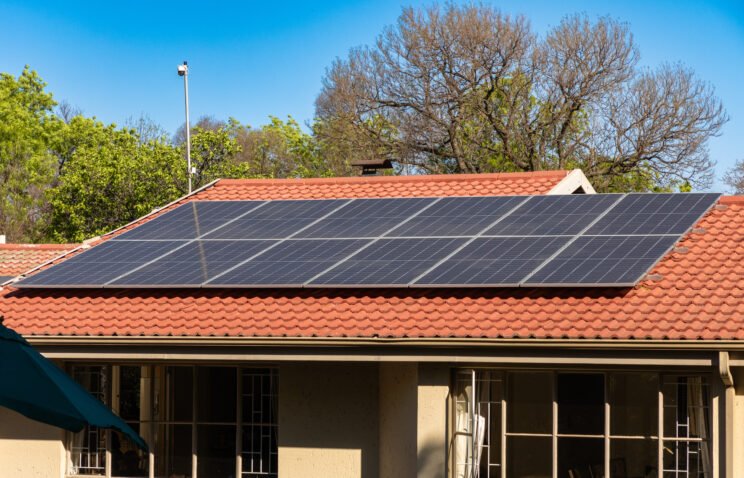
Eskom, South Africa's national electricity utility, has maintained its position regarding its authority to disconnect power supply to certain privately owned energy installations. The utility asserts that it retains the right to sever connections for solar or battery installations that it determines to be unsafe. This stance implies a continued oversight role for Eskom over privately installed distributed generation systems, particularly concerning their safety protocols and integration with the national grid.
This assertion by Eskom directly impacts property owners and businesses who have invested in alternative energy solutions, such as rooftop solar panels or battery storage systems, to mitigate the effects of load shedding or to achieve greater energy independence. The utility's claim of unilateral disconnection power, based on its own safety assessment, introduces a layer of uncertainty for these installations, raising questions about the security of their grid connection and the enforceability of `Eskom battery installation disconnection` threats.
Legal Challenge to Eskom's Authority
In response to Eskom's persistent claim, the Organisation Undoing Tax Abuse (Outa), a prominent civil action organisation, has voiced strong opposition. Outa contends that Eskom's assertion of the right to unilaterally disconnect installations deemed unsafe will not withstand rigorous `legal scrutiny`. This challenge from Outa suggests a fundamental disagreement over the scope of Eskom's regulatory authority and the legal basis for its proposed actions.
Outa's position indicates that they believe Eskom's threat of `unsafe supply legal challenge` lacks sufficient legal grounding, potentially infringing on property rights or exceeding the utility's statutory powers. The organisation's intervention signals a potential legal battle over the interpretation of `South Africa energy law compliance` and the limits of Eskom's control over privately owned distributed generation systems connected to the national grid.
Implications for Energy Security and Compliance
The ongoing dispute surrounding Eskom's right to disconnect "unsafe" solar and battery installations carries significant implications for the future of energy generation in South Africa. Should Eskom's claim be upheld, it could introduce substantial `distributed generation legal risks ZA` for individuals and businesses investing in renewable energy, potentially stifling efforts towards energy diversification and resilience. This uncertainty could deter further private investment in green energy solutions, impacting the nation's ability to address its chronic power shortages and transition away from fossil fuels.
Conversely, if Outa's challenge prevails, it could clarify the boundaries of utility oversight and empower consumers in their pursuit of alternative power sources, fostering greater energy independence. This scenario underscores the critical need for clear and enforceable `Eskom grid safety regulations` that effectively balance grid stability with consumer rights and the promotion of renewable energy. The resolution of this `Eskom solar unsafe supply legal challenge` will undoubtedly shape the regulatory landscape for distributed energy resources, influencing investment decisions and the broader trajectory of South Africa's energy transition, making it a pivotal case for `South Africa energy law compliance`.
Practical Implications
Lawyers should advise clients with solar or battery installations in South Africa to review their grid connection agreements and safety compliance, as Eskom's 'unsafe' disconnection threat faces legal challenge, potentially impacting property rights and energy security. Compliance officers need to monitor the outcome of Outa's legal scrutiny to understand the enforceability of Eskom's claims.
Source
How does this affect you?
Get an AI analysis of this article grounded in your jurisdictions, practice areas, and any policy documents you've uploaded to Wansom.
Finish Reading the Full Story and the Expert Analysis.
Get the latest legal & regulatory intelligence in South Africa
Wansom is AI and can make mistakes.