
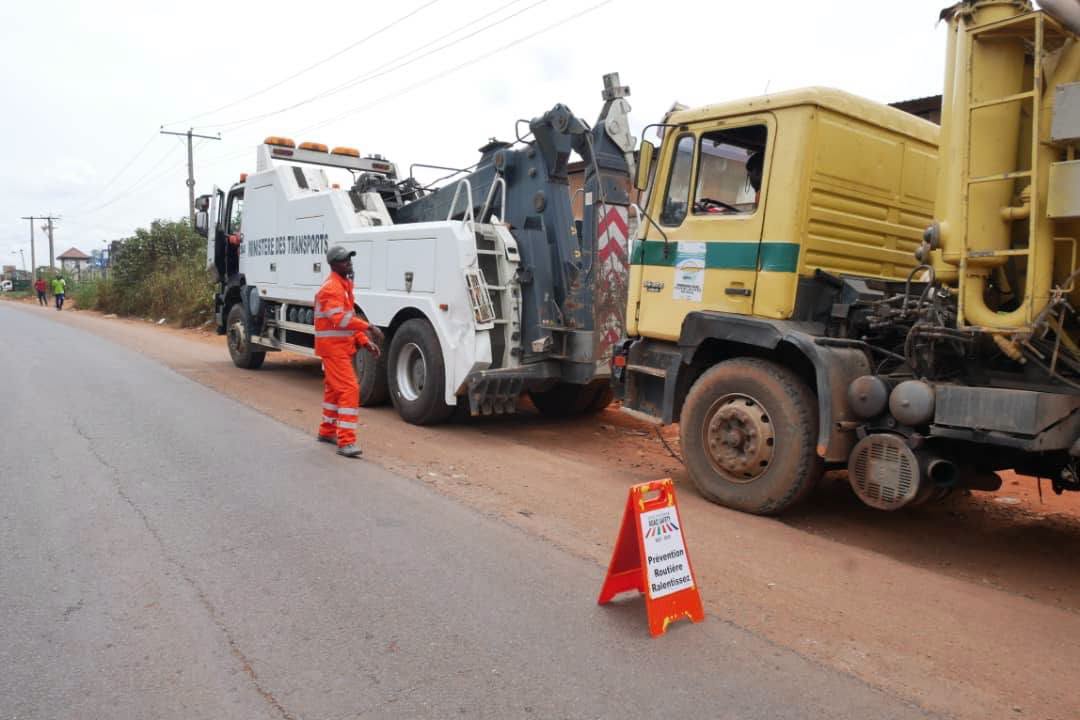
Cameroon Transport Ministry Launches Operation Enlevement Vehicules
Summary
- Ministry of Transport mobile teams deployed on August 20 along the Yaoundé-Douala highway for day four of an intensified vehicle removal operation.
- The operation targets roadside obstacles, vehicle wrecks, and dangerously parked commercial freight transports following an August 16 ministry directive.
- Improperly parked heavy goods vehicles carrying general or hazardous cargo caused 35 accidents between June 1 and the current enforcement phase.
- Fleet operators face immediate vehicle impoundment and operational disruptions if drivers fail to comply with strict breakdown and parking regulations.
Targeted Crackdown Mobilizes Along the Yaoundé-Douala Highway
Logistics companies operating along major transit axes must ensure their drivers strictly adhere to emergency breakdown procedures and mandatory parking protocols.
Government enforcement units escalated road clearing measures along Cameroon's primary commercial corridor on August 20, as mobile teams conducted targeted sweeps across the Yaoundé-Douala highway. The roadside intervention represented the fourth day of an intensified phase executed by the brigade prevention routiere cameroun. This sweep follows an official directive issued in a Ministry of Transport communiqué on August 16, which mandated the aggressive clearance of physical obstructions, vehicle wrecks, and illegally parked transports from public thoroughfares under the operation enlevement vehicules ministere transports cameroun framework.
This heightened enforcement phase, active since August 17, is part of a broader national road safety push. The Ministry of Transport originally instituted the overarching safety campaign in June to curb rising highway mortality. By shifting focus toward immediate towing and active penalty enforcement, state agents are attempting to systematically eliminate hazardous roadside conditions along one of the nation's most traffic-heavy corridors.
Accident Metrics and the Focus on Commercial Freight Hazards
The push for strict repression stationnement dangereux cameroun stems from alarming casualty metrics tracked by state road safety officers. According to ministry findings, improper and unauthorized roadside parking has directly triggered 35 traffic collisions since June 1. Crucially, these incidents involved commercial transport vehicles carrying either general freight or hazardous materials.
Despite repeated public awareness drives and educational campaigns instituted by transport authorities, persistent anarchic parking practices have continued to compromise highway safety. The Yaoundé-Douala stretch, widely recognized as one of the country's most dangerous roadways, has seen recurring incidents where stalled or carelessly parked heavy goods trucks create blind spots and unavoidable obstacles for oncoming traffic. State regulators determined that non-cooperative driver behavior necessitated moving beyond simple warnings to direct physical removal of offending vehicles.
Regulatory Exposure and Operational Mandates for Fleet Operators
The ongoing campagne securite routiere axe yaounde douala carries immediate operational and legal consequences for commercial logistics firms, cargo haulers, and corporate fleet managers. With state teams actively seizing non-compliant vehicles, transport companies face elevated risks of sudden cargo delays, unexpected towing fees, and potential statutory liability under the evolving reglementation transport marchandises cameroun.
Logistics companies operating along major transit axes must ensure their drivers strictly adhere to emergency breakdown procedures and mandatory parking protocols. Corporate compliance officers should prepare for the immediate impoundment of hazardous or stalled fleet assets, while systematically evaluating company exposure under current Ministry of Transport enforcement directives to avoid severe disruptions to supply chain operations.
Practical Implications
Logistics companies and fleet operators using major corridors like Yaoundé-Douala must ensure drivers strictly adhere to emergency breakdown and parking protocols. Compliance officers should prepare for immediate impoundment of hazardous or stalled vehicles and evaluate potential liability exposures under Ministry of Transport enforcement directives.
Source
Source: Original reporting via MINT
How does this affect you?
Get an AI analysis of this article grounded in your jurisdictions, practice areas, and any policy documents you've uploaded to Wansom.
Wansom is AI and can make mistakes.