
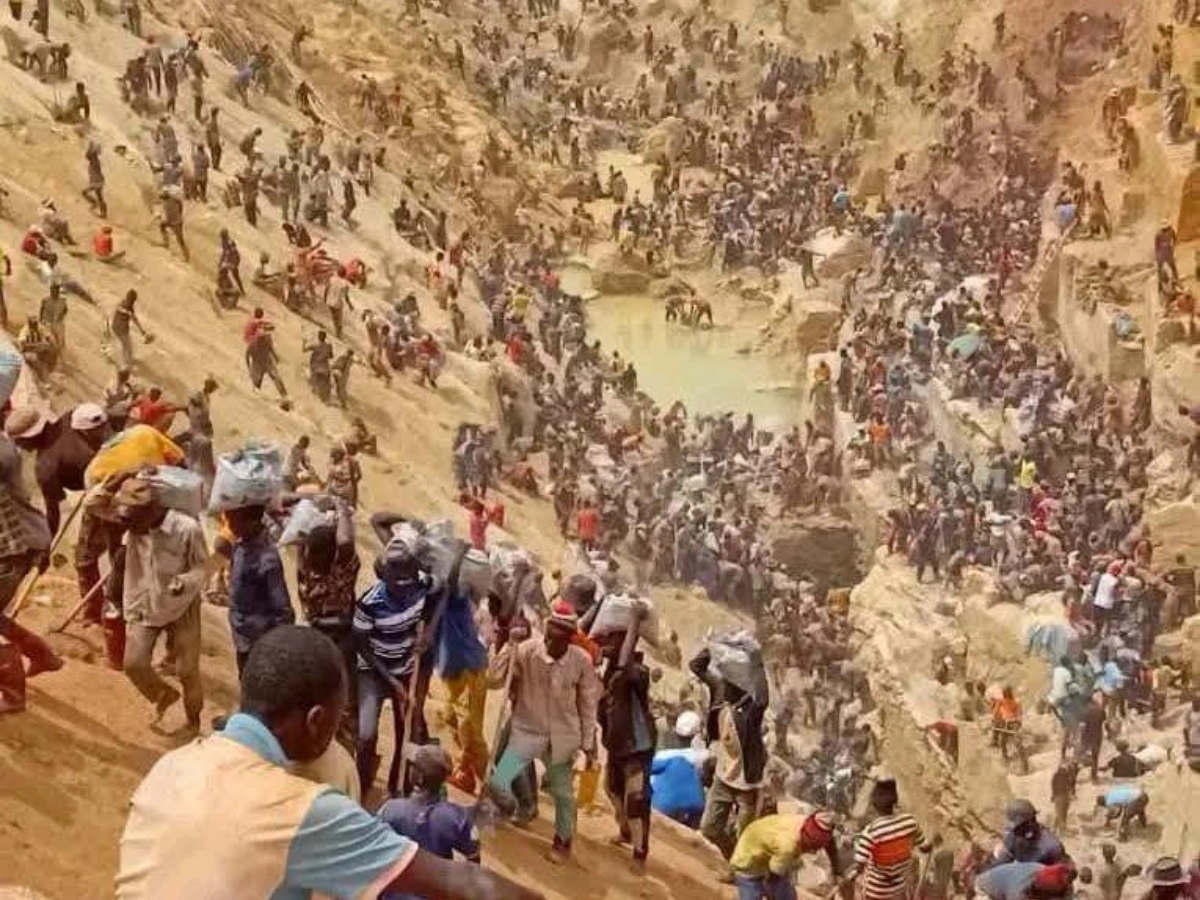
Central African Republic CM Court Orders Probe into Zamboi Mine Collapse
Summary
- A devastating mine collapse occurred on August 18, 2026, at a gold mining site in Zamboye, Central African Republic.
- The accident claimed the lives of both Cameroonian and Central African artisanal miners.
- The incident highlights the risks associated with artisanal mining, particularly in areas prone to landslides and floods.
- The Central African Republic's government has taken steps to restructure its artisanal mining sector and improve safety standards.
- Compliance officers must review their clients' mining operations to ensure adherence to local regulations.
What Happened
The Zamboï mine collapse serves as a stark reminder of the need for compliance officers to review their clients' mining operations and ensure they adhere to local regulations.
A devastating mine collapse occurred on August 18, 2026, at a gold mining site in the village of Zamboye, located in the Central African Republic. The accident resulted from a landslide and claimed the lives of both Cameroonian and Central African artisanal miners who were working on the site. The incident highlights the risks associated with artisanal mining, particularly in areas prone to landslides and floods.
The mine collapse occurred at a site called 'Moscou' in the village of Zamboï, which is located near the border between the Central African Republic and Cameroon. The area is known for its steep slopes and high risk of landslides, especially during the rainy season. The accident has sent shockwaves throughout the regional mining community.
A team from the Cameroonian side of the border has been deployed to gather more information and assess the situation in the border region.
Legal Context
The Central African Republic's government, through its Ministry of Mines, has taken steps to restructure the artisanal mining sector. A Task Force has been established to oversee the implementation of measures aimed at formalizing artisanal miners and improving safety standards.
The Task Force is working with various government departments to address issues related to semi-mechanized artisanal mining, including the payment of environmental guarantees, production quotas, and fiscal obligations. The government aims to better regulate the sector and prevent illegal activities.
In Cameroon, the Ministry in charge of Mines has also taken steps to formalize artisanal miners and improve safety standards. The country's artisanal mining laws are being reviewed to ensure they align with international best practices.
Why It Matters
The Zamboï mine collapse serves as a stark reminder of the need for compliance officers to review their clients' mining operations and ensure they adhere to local regulations. The incident highlights the importance of environmental guarantees, production quotas, and fiscal obligations in preventing accidents and promoting responsible mining practices.
The Central African Republic's efforts to restructure its artisanal mining sector are crucial in reducing the risks associated with this activity. By formalizing artisanal miners and improving safety standards, governments can prevent such tragedies from occurring in the future.
The Zamboï mine collapse also underscores the need for regional cooperation in addressing the challenges faced by artisanal miners. Governments must work together to develop effective regulations and ensure that mining operations are carried out safely and responsibly.
Practical Implications
This development highlights the need for compliance officers to review and ensure that their clients' mining operations are in line with the CM government's efforts to restructure the artisanal mining sector, including measures such as the payment of environmental guarantees and the identification of high-risk sites.
Source
How does this affect you?
Get an AI analysis of this article grounded in your jurisdictions, practice areas, and any policy documents you've uploaded to Wansom.
Wansom is AI and can make mistakes.