
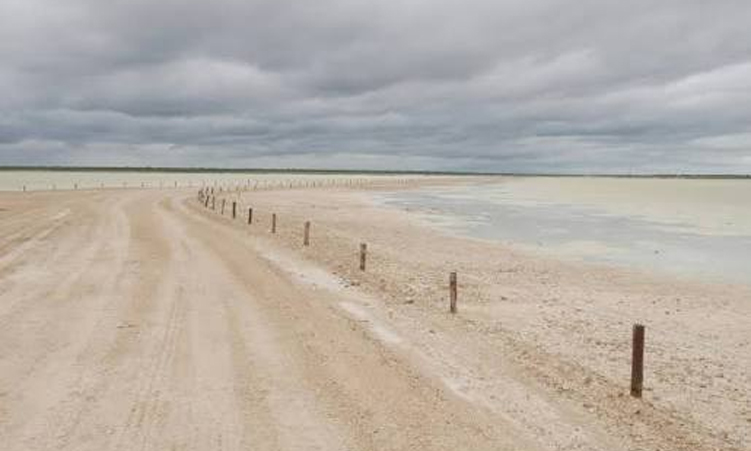
Ondonga Council Bans Women From Salt Pan After Visit
The Ondonga Traditional Council in Namibia's Oshikoto region has reportedly banned women from visiting the Ondonga salt pan, citing traditional taboos, following a visit by a woman councillor from the Khomas region.
This development, as reported by The Namibian, stems from a declaration by Ondonga Traditional Council chairperson John Walenga, who stated that it is taboo for women to visit the culturally significant salt pan located in the Omutele constituency. The declaration came under scrutiny after a woman councillor from the Khomas region visited the site during an exchange programme involving councillors from both regions. While the excerpt does not detail the specific nature or enforcement mechanism of this 'ban,' it highlights a direct assertion of customary authority over access to a particular site based on gender.
For legal practitioners, this situation presents a critical intersection between customary law, traditional authority, and the constitutional rights enshrined in the Namibian Constitution, particularly Article 10 (Equality and Freedom from Discrimination) and Article 21 (Fundamental Freedoms, including freedom of movement). The Traditional Authorities Act, 2000 (Act No. 25 of 2000), while recognizing the role of traditional authorities in administering customary law, explicitly states that such customary law must be applied subject to the Constitution and any other statutory law. This means any customary practice or ruling that infringes upon fundamental human rights, such as gender equality, could be challenged in the High Court or Supreme Court. The key parties involved are the Ondonga Traditional Council, its chairperson John Walenga, and the unnamed woman councillor whose visit precipitated this declaration, as well as potentially the Khomas and Oshikoto regional councils.
This matter holds significant legal implications for the interpretation and application of customary law within a constitutional democracy. It could set a precedent for how traditional councils navigate their powers when customary practices appear to conflict with national legal frameworks. Attorneys should advise clients, particularly those involved in cultural heritage, tourism, or resource management in areas governed by traditional authorities, to be acutely aware of such potential conflicts. They should monitor any legal challenges to this ban, as the outcome could provide crucial clarity on the limits of traditional authority and the supremacy of the Constitution in Namibia. Businesses and individuals must understand that while customary law is recognized, it operates within the confines of the supreme law of the land. The specific legal outcome of this reported ban is not yet detailed in the excerpt.
How does this affect you?
Get an AI analysis of this article grounded in your jurisdictions, practice areas, and any policy documents you've uploaded to Wansom.
Finish Reading the Full Story and the Expert Analysis.
Wansom is AI and can make mistakes.