
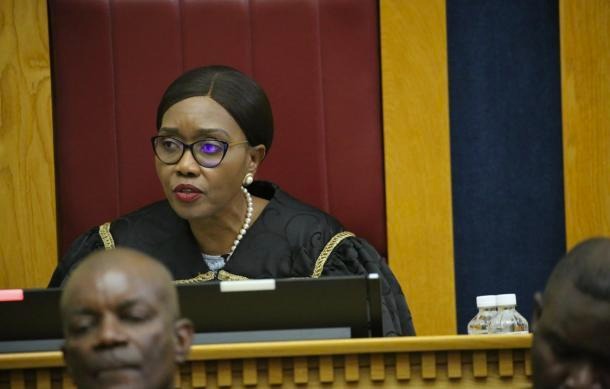
Namibia National Assembly: MPs Motion to Remove Speaker Kuugongelwa-Amadhila
Summary
- A motion was introduced in the Namibian National Assembly on Wednesday to remove Speaker Saara Kuugongelwa-Amadhila.
- The Independent Patriots for Change (IPC) initiated the motion, accusing the Speaker of failing to uphold assembly rules fairly and impartially.
- IPC member Michael Mulunga formally moved the motion, citing Article 51(3) of the Namibian Constitution as its legal basis.
- This action represents a significant challenge to parliamentary leadership and highlights mechanisms for legislative accountability in Namibia.
Motion Filed Against Speaker
This accusation forms the core of the Namibia MPs motion remove Speaker Kuugongelwa-Amadhila, highlighting concerns over the equitable application of parliamentary procedures.
A significant development unfolded in the Namibian National Assembly on Wednesday when a motion was formally introduced seeking the removal of the current National Assembly Speaker, Saara Kuugongelwa-Amadhila. This move, initiated by the Independent Patriots for Change (IPC), represents a direct challenge to the leadership within the legislative body.
The Independent Patriots for Change Speaker motion specifically targets Ms. Kuugongelwa-Amadhila, alleging that she has failed to uphold the rules governing the assembly with the requisite fairness and impartiality. This accusation forms the core of the Namibia MPs motion remove Speaker Kuugongelwa-Amadhila, highlighting concerns over the equitable application of parliamentary procedures.
The motion was presented by Michael Mulunga, a member of the Independent Patriots for Change. His action sets in motion a formal process that could potentially lead to a change in the leadership of the National Assembly, underscoring the mechanisms available for legislative oversight and accountability.
Procedural Framework for Removal
The procedural basis for this significant parliamentary action is rooted in Article 51(3) of the Namibian Constitution. This specific provision outlines the framework and conditions under which such a motion, aiming for the removal of the Speaker, can be brought forward and considered by the legislative body. Understanding the parameters of Article 51(3) of the Namibian Constitution is crucial for comprehending the legitimate pathway for the Saara Kuugongelwa-Amadhila removal process.
Article 51(3) serves as a critical safeguard within the assembly's operational guidelines, ensuring that there is a formal, established method for addressing serious concerns regarding the Speaker's conduct or capacity. The invocation of this article indicates that the IPC believes the alleged failures in upholding assembly rules warrant the initiation of this formal removal procedure.
The National Assembly Speaker duties Namibia typically encompass presiding over sittings, maintaining order, and ensuring that debates and legislative processes adhere strictly to established rules. An accusation of failing to uphold these rules fairly and impartially, as leveled by the IPC, directly challenges the Speaker's fundamental responsibilities and the integrity of parliamentary proceedings.
Implications for Parliamentary Governance
This motion carries substantial implications for Namibia parliamentary accountability and the broader landscape of legislative governance. A formal attempt to remove the Speaker, a high-ranking official responsible for the orderly conduct of parliamentary business, signals a period of potential instability or heightened scrutiny within the National Assembly. It brings into sharp focus the internal mechanisms for holding leadership accountable.
The Independent Patriots for Change's decision to pursue this motion reflects a commitment to challenging perceived breaches of parliamentary decorum and fairness. The outcome of this process will not only determine the future of Speaker Kuugongelwa-Amadhila's tenure but also set a precedent for how similar grievances are addressed within the Namibian legislative framework. It underscores the dynamic nature of parliamentary politics and the continuous interplay between political parties and institutional roles.
Legal observers and stakeholders will be closely monitoring the progression of this motion. The manner in which the National Assembly addresses these allegations and the subsequent Saara Kuugongelwa-Amadhila removal process will offer insights into the robustness of Namibia's democratic institutions and the practical application of its parliamentary rules. This event highlights the importance of transparent and impartial leadership in maintaining the credibility and effectiveness of legislative bodies.
Practical Implications
This motion highlights the procedural mechanisms for accountability within the Namibian National Assembly and signals potential shifts in legislative stability. Lawyers should monitor the outcome for implications on parliamentary governance, the interpretation of assembly rules, and any resulting political climate changes that could affect clients operating in Namibia.
Source
How does this affect you?
Get an AI analysis of this article grounded in your jurisdictions, practice areas, and any policy documents you've uploaded to Wansom.
Finish Reading the Full Story and the Expert Analysis.
Wansom is AI and can make mistakes.