
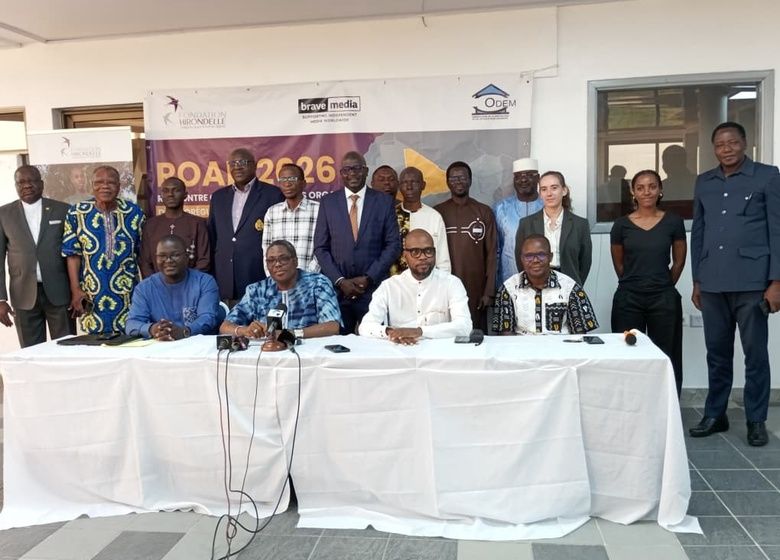
ODEM Cotonou: Fostering West Africa Media Self-Regulation Cooperation
Summary
- Media self-regulation bodies from five West African nations convened in Cotonou.
- The meeting took place from October 29 to October 30, 2026.
- The Observatory of Deontology and Ethics in the Media (ODEM) initiated the gathering.
- Key objectives included harmonizing professional practices and strengthening cooperation on journalistic ethics.
- Participants represented Benin, Mali, Senegal, Ivory Coast, and Togo.
A Regional Gathering for Media Ethics
For legal professionals advising media organizations or engaged in media compliance within West Africa, the outcomes of this cooperative effort warrant close monitoring.
Representatives from media self-regulation bodies across several West African nations recently convened in Cotonou, Benin. The gathering, which took place from Thursday, October 29, to Friday, October 30, 2026, brought together delegates from Benin, Mali, Senegal, Ivory Coast, and Togo. This significant meeting was organized under the auspices of the Observatory of Deontology and Ethics in the Media (ODEM), underscoring a concerted effort to address professional standards within the region's media landscape.
The initiative highlights a growing recognition among these nations of the importance of collective action in upholding journalistic integrity. By bringing together key stakeholders from diverse national contexts, the Cotonou meeting aimed to foster a shared understanding of ethical challenges and opportunities, setting the stage for more unified approaches to media oversight and accountability across the sub-region.
Driving Harmonization and Cooperation
The primary objectives of the Cotonou meeting centered on two crucial areas for West Africa media self-regulation: fostering closer professional practices across the sub-region and enhancing collaborative efforts among the various oversight bodies. Participants aimed to discuss and potentially align their approaches to journalistic ethics, recognizing that a unified front could lead to more robust and consistent application of media standards. This push for harmonization seeks to bridge any existing gaps in professional conduct and ethical guidelines among the participating nations, ultimately strengthening the credibility and accountability of media entities throughout Benin, Mali, Senegal, Ivory Coast, and Togo.
The initiative by ODEM Cotonou media ethics advocates for a shared understanding and implementation of ethical principles. By working together, these self-regulation bodies intend to create a more cohesive environment for media operations, where common standards for journalistic integrity are not just aspirational but actively enforced. This collaborative spirit is vital for addressing the evolving challenges faced by the media sector in West Africa, ensuring that ethical considerations remain at the forefront of reporting and content creation.
Why It Matters for Regional Media
The pursuit of enhanced West Africa media self-regulation cooperation carries substantial implications for the region's media landscape. By striving for a greater alignment of professional practices and a reinforcement of journalistic ethics, the participating countries—Benin, Mali, Senegal, Ivory Coast, and Togo—are setting a precedent for regional accountability. This collaborative framework could lead to a more standardized approach to media oversight, potentially influencing how media entities operate and how disputes related to content are resolved across national borders.
For legal professionals advising media organizations or engaged in media compliance within West Africa, the outcomes of this cooperative effort warrant close monitoring. A move towards harmonized ethical standards could translate into more consistent regulatory expectations and enforcement mechanisms across the five nations. This consistency would directly impact strategies for content creation, editorial policies, and the handling of potential legal challenges, making it imperative for legal counsel to stay abreast of developments stemming from initiatives like the one spearheaded by ODEM. The long-term goal is to cultivate an environment where high ethical standards are uniformly upheld, benefiting both media professionals and the public they serve.
Practical Implications
Lawyers advising media entities or involved in media-related compliance in West Africa should monitor the outcomes of this cooperation. Harmonized ethical standards could lead to more consistent regulatory expectations and enforcement across Benin, Mali, Senegal, Ivory Coast, and Togo, impacting content creation and dispute resolution strategies.
Source
How does this affect you?
Get an AI analysis of this article grounded in your jurisdictions, practice areas, and any policy documents you've uploaded to Wansom.
Wansom is AI and can make mistakes.