
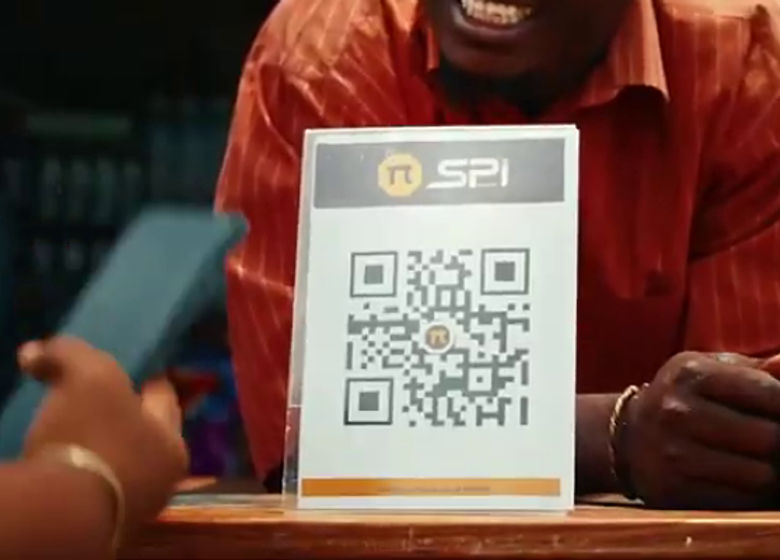
BCEAO: Nouvelles Règles PI-SPI pour Transferts Monnaie Électronique
Summary
- The BCEAO has introduced new rules for electronic money transfers between individuals.
- These regulations apply to transactions made via the BCEAO's instant payment platform, PI-SPI.
- The new framework specifies conditions under which transfers can be free (up to 8,000 CFA francs daily) and allows for potential fees (0% to 0.8% above this threshold).
- The updated rules, which also cover operational aspects, became effective on November 2, 2026.
Overview of BCEAO's Updated Framework
For legal and compliance professionals advising financial institutions, mobile money operators, and fintech companies across the UEMOA zone, a comprehensive review of these "BCEAO PI-SPI nouvelles règles transferts monnaie" is critically important.
The Central Bank of West African States (BCEAO) has announced the introduction of a new regulatory framework specifically targeting electronic money transfers conducted between individuals. These "BCEAO PI-SPI nouvelles règles transferts monnaie" are set to govern transactions processed through the institution's instant payment platform, known as PI-SPI. This significant update reflects the BCEAO's ongoing efforts to shape the digital financial landscape within the West African Economic and Monetary Union (UEMOA) and became effective on November 2, 2026.
The impending changes introduced a revised operational structure for how electronic money transfers are facilitated and potentially priced across the region. Financial institutions, mobile money operators, and various fintech companies operating within the UEMOA member states must therefore integrate these new directives into their existing systems and compliance protocols. The BCEAO's initiative aims to enhance the efficiency and accessibility of digital payments while establishing clearer, updated guidelines for all service providers involved in the instant payment ecosystem.
Core Elements of the New Rules
A core component of these updated "règles monnaie électronique UEMOA" concerns the conditions under which electronic money transfers between individuals will be offered free of charge. While the new framework allows for gratuitous transfers, this benefit is contingent upon specific conditions: national transfers with a cumulative daily amount not exceeding 8,000 CFA francs per user and per participating institution are free. This implies that not all person-to-person electronic money transfers executed via the "BCEAO paiement instantané" platform automatically qualify as free, necessitating a thorough understanding of the qualifying criteria by all stakeholders.
Furthermore, the new regulatory provisions explicitly outline scenarios where "transferts électroniques frais" may be applied to certain electronic money transactions. Transfers above the 8,000 CFA franc daily threshold may be subject to fees ranging from 0% to 0.8% of the transfer amount, excluding taxes. This represents a crucial development for both consumers and the entities facilitating these services, as it clarifies the potential for charges in situations defined by the BCEAO. Beyond pricing, the regulations also encompass various operational aspects, dictating the precise functioning and technical requirements for these transfers within the instant payment environment, ensuring standardized and secure transactions.
Strategic Compliance for UEMOA Stakeholders
For legal and compliance professionals advising financial institutions, mobile money operators, and fintech companies across the UEMOA zone, a comprehensive review of these "BCEAO PI-SPI nouvelles règles transferts monnaie" is critically important. With the directive now effective as of November 2, 2026, these entities must ensure full adherence to the updated requirements. Failure to comply with the new "réglementation fintech Afrique de l'Ouest" could expose organizations to significant regulatory penalties, emphasizing the need for proactive and meticulous preparation.
The revised framework will undoubtedly necessitate strategic operational adjustments for many players in the digital payment sector. Companies must not only grasp the specific conditions enabling free transfers but also proactively integrate any newly permissible fee structures into their business models, customer agreements, and public communications. This forward-looking approach is essential to maintain seamless service delivery and avoid disruptions in the rapidly evolving landscape of electronic payments, impacting operations in countries like Benin and other UEMOA members.
Practical Implications
Lawyers and compliance officers advising financial institutions, mobile money operators, and fintech companies in the UEMOA region must review the new BCEAO PI-SPI rules effective November 2nd. They should ensure client compliance with conditions for free electronic money transfers between individuals and understand the implications of potential new fee structures to avoid regulatory penalties and advise on operational adjustments.
Source
How does this affect you?
Get an AI analysis of this article grounded in your jurisdictions, practice areas, and any policy documents you've uploaded to Wansom.
Wansom is AI and can make mistakes.