
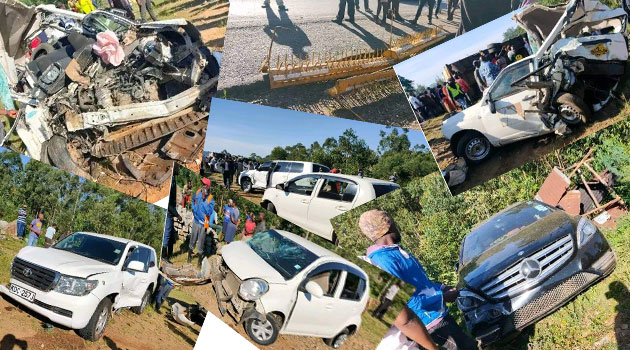
NTSA Kenya: Targets Speeding, Distracted Driving to Cut 2025 Deaths
Summary
- The NTSA has urged urgent action to address Kenya's rising road safety concerns, citing 5,009 deaths in 11,638 crashes in 2025.
- Andrew Kiplagat, the Director Road Safety at the NTSA, emphasized prioritizing speed management, safer infrastructure, and stricter enforcement of traffic regulations.
- Key enforcement targets include speeding, distracted driving, dangerous overtaking, and compliance with seatbelts, helmets, and vehicle roadworthiness.
- Pedestrians and motorcyclists are identified as the most vulnerable road users, requiring targeted interventions in high-risk areas.
- The NTSA called for collective responsibility from all stakeholders and sustained support for crash survivors and victims' families.
Kenya's Road Safety Crisis
The NTSA's message was clear: investing in road safety must take precedence over unchecked speed.
The National Transport and Safety Authority (NTSA) has issued an urgent plea for comprehensive measures to combat the escalating number of road fatalities and severe injuries across Kenya. Speaking at the World Day of Remembrance for Road Traffic Victims commemorations in Kisumu, Andrew Kiplagat, the Director Road Safety at the NTSA, highlighted the devastating human and economic toll of traffic incidents. He underscored that thousands of lives are lost annually, while countless survivors endure life-altering physical impairments and significant financial hardship.
Kiplagat revealed alarming statistics for the year 2025, noting that Kenya experienced a total of 11,638 road crashes. These incidents tragically led to 5,009 deaths and left 19,896 individuals with serious injuries. He stressed that these figures represent more than just numbers; they signify families shattered by loss, livelihoods destroyed, and promising futures abruptly cut short. The NTSA's message was clear: investing in road safety must take precedence over unchecked speed.
Heightened Enforcement and Infrastructure Demands
To address this critical situation, the NTSA is advocating for a multi-pronged approach that includes rigorous enforcement of existing traffic regulations and strategic infrastructure improvements. Kiplagat specifically called for intensified efforts to manage speed, enhance road infrastructure for greater safety, and ensure stricter adherence to traffic laws to bring down the high rate of road fatalities. He identified speeding, distracted driving, and dangerous overtaking as primary targets for increased enforcement.
Beyond these behaviors, the NTSA official emphasized the necessity of ensuring compliance with seatbelt usage, the mandatory use of certified helmets, adherence to vehicle roadworthiness standards, and strict enforcement of anti-overloading regulations. Furthermore, he urged for substantial investment in road infrastructure, including the provision of adequate street lighting, clear and proper signage, and dedicated facilities designed for the safety of pedestrians and cyclists. These evidence-based interventions are crucial, particularly given that pedestrians and motorcyclists are disproportionately affected by road crashes, often in specific high-risk corridors and during predictable peak hours.
Collective Responsibility and Support for Victims
The NTSA official underscored that the responsibility for improving road safety rests with all stakeholders. He implored government agencies, individual motorists, pedestrians, and local communities to collectively commit to fostering a safer road environment. The commemorations, which commenced with an inter-denominational prayer service at Coptic—a notorious accident black spot on the Kisumu-Kakamega highway in Mamboleo—before moving to Jaramogi Oginga Odinga Stadium, served as a poignant reminder of the human cost.
Kiplagat passionately advocated for sustained support for those who survive road crashes and for the families grieving the loss of loved ones. He articulated that every life lost represents a unique story that concludes tragically, and every survivor merits comprehensive support. He concluded by asserting that every road user has a vital role to play, urging that remembrance must translate into tangible, practical action to prevent future tragedies.
Practical Implications
Lawyers should advise corporate clients on heightened NTSA enforcement risks related to speeding, distracted driving, and vehicle roadworthiness. Compliance officers must review and update internal traffic safety policies to mitigate potential liabilities from increased scrutiny and stricter penalties, especially concerning fleet management and employee conduct on roads.
Source
How does this affect you?
Get an AI analysis of this article grounded in your jurisdictions, practice areas, and any policy documents you've uploaded to Wansom.
Finish Reading the Full Story and the Expert Analysis.
Get the latest legal & regulatory intelligence in Kenya
Wansom is AI and can make mistakes.