
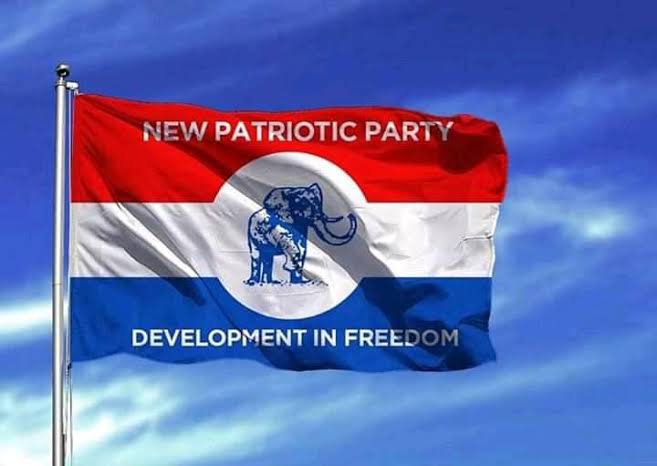
NPP Ghana: Rejects NDC Constitution Review Method, Demands Assembly
Summary
- The New Patriotic Party (NPP) has rejected the government's current method for reviewing Ghana's 1992 Constitution.
- The NPP is demanding the establishment of a Constituent or Consultative Assembly to deliberate on proposed changes.
- This position was announced at a press conference in Accra on Thursday, September 17, 2026.
- The NPP's stance follows the government's July publication of its response to the Constitutional Review Committee's recommendations.
- The Constitutional Review Committee's report, submitted on February 10, 2026, contains 147 proposed amendments and 59 new provisions, totaling 206 proposals.
NPP Calls for Broader Constitutional Deliberation
The sheer scale of these proposed alterations is central to the NPP's argument.
The New Patriotic Party (NPP) has publicly rejected the current administration's method for reviewing Ghana's 1992 Constitution. The party's stance, articulated during a press conference held in Accra on Thursday, September 17, 2026, emphasizes the need for a more inclusive and extensive deliberative process.
Instead of the government's current approach, the NPP is advocating for the establishment of either a Constituent Assembly or a Consultative Assembly. This demand for an NPP Constituent Assembly demand underscores their belief that the significant proposed changes to the nation's foundational legal document warrant a broader public and expert engagement before proceeding with formal amendment procedures.
This declaration by the NPP follows the government's release in July of its official response to the recommendations put forth by the Constitutional Review Committee. The party's position highlights a growing Ghana constitutional reform debate regarding the appropriate mechanisms for amending the nation's supreme law, particularly given the comprehensive nature of the suggested revisions.
Extensive Scope of Proposed Constitutional Changes
The Constitutional Review Committee, whose work forms the basis of the current debate, submitted its comprehensive report to President John Mahama on February 10, 2026. This pivotal document contains a substantial number of proposals aimed at reshaping Ghana's governance framework.
Specifically, the report includes 147 distinct proposals to amend existing constitutional provisions. In addition to these modifications, it introduces 59 entirely new provisions, bringing the total number of proposed changes to an impressive 206. This extensive list of Constitutional Review Committee recommendations Ghana has ignited the procedural dispute.
The sheer scale of these proposed alterations is central to the NPP's argument. The party contends that such far-reaching modifications to the 1992 Constitution necessitate a more thorough and deliberative process than what the government currently envisions. This perspective frames the NPP rejects government constitution review as a matter of due process and national consensus.
Procedural Debate Over Ghana's Constitutional Reform
The core of the NPP's case against the government's approach to the Ghana 1992 Constitution amendment centers on the method of reform. By calling for a Constituent or Consultative Assembly, the NPP is essentially challenging the legitimacy and inclusiveness of the existing review pathway. Such an assembly would typically involve a wider range of stakeholders, including civil society, traditional leaders, and various political groups, in the discussion and drafting of constitutional changes.
The party argues that the magnitude of the 206 proposals, encompassing both amendments to existing provisions and the introduction of entirely new ones, is too significant to be handled without this broader deliberative body. Their stance suggests that without such an assembly, the resulting constitutional changes might lack the widespread public acceptance and political legitimacy crucial for long-term stability.
This procedural disagreement highlights a critical juncture in Ghana's ongoing constitutional reform debate. The choice between a more streamlined government-led process and a broad-based assembly will profoundly influence how these extensive recommendations are considered and ultimately implemented, shaping the future legal and political landscape of the nation.
Implications for Ghana's Governance Framework
The ongoing discussion surrounding the NPP case NDC constitution review Ghana carries significant implications for the nation's governance. The method chosen for amending the 1992 Constitution will not only dictate the timeline for reforms but also impact their perceived legitimacy and ultimate effectiveness. A process perceived as insufficiently inclusive could lead to future challenges to the amended provisions, undermining legal certainty and national cohesion.
Lawyers and compliance officers in Ghana are advised to closely monitor this constitutional review process, particularly the NPP's demand for a Constituent or Consultative Assembly. The eventual approach adopted for the Ghana 1992 Constitution amendment will set precedents for future legal reforms and could influence various areas of law and regulatory compliance across the country.
Ultimately, the outcome of this procedural debate will determine the foundational legal framework under which Ghana operates for years to come. Ensuring a robust, transparent, and widely accepted process for constitutional reform is paramount for the nation's democratic health and the stability of its legal system.
Practical Implications
Lawyers and compliance officers in Ghana should closely monitor the ongoing debate regarding the constitutional review process, particularly the NPP's demand for a Constituent or Consultative Assembly. The chosen method for amendment will significantly impact the legitimacy, timeline, and scope of future legal reforms, potentially affecting all areas of law and regulatory compliance.
Source
How does this affect you?
Get an AI analysis of this article grounded in your jurisdictions, practice areas, and any policy documents you've uploaded to Wansom.
Finish Reading the Full Story and the Expert Analysis.
Get the latest legal & regulatory intelligence in Ghana
Wansom is AI and can make mistakes.