
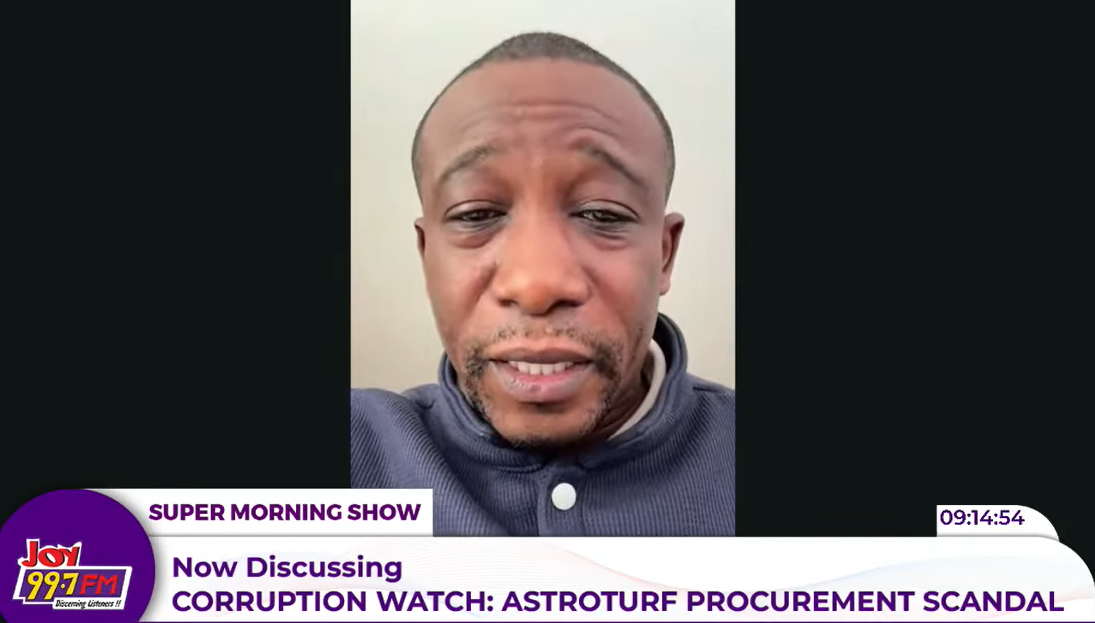
Hohoe MCE: Corruption Watch Astroturf Probe Prompts Assembly Action
Summary
- Hohoe MCE Prosper Kumi stated he was not surprised by Corruption Watch's findings regarding astroturf funding, citing long-held public belief that the local stadium is state-owned.
- The MCE found a Right to Information (RTI) request from Corruption Watch upon taking office, which prompted the Hohoe Municipal Assembly to gather records and form an ad hoc committee.
- The committee's report formed the basis of the assembly's response to Corruption Watch, addressing concerns about the facility's ownership and financing.
- The Hohoe facility was part of the 'One Constituency, One Astroturf' program under the former government and was subject to political activity.
- Residents had a longstanding perception that the stadium was state-funded, with some believing the municipal assembly had committed funds even before Kumi's tenure.
Long-Standing Public Doubts Spark Investigation
The MCE's proactive approach in addressing the Corruption Watch Ghana RTI request and initiating an internal review demonstrates a commitment to clarifying the financial origins and ownership status of public assets.
The Hohoe Municipal Chief Executive (MCE), Prosper Kumi, has indicated that he is not surprised by the findings emerging from a Corruption Watch investigation into the financing of astroturf facilities. Kumi noted that residents of Hohoe have consistently believed the town's stadium to be a state-owned asset, a perception that has persisted for a considerable period. This long-held public conviction, he explained, stems from residents' awareness of the Hohoe Municipal Assembly's activities and decisions concerning the facility.
Questions surrounding the ownership and funding of the Hohoe stadium have been prevalent for some time, according to the MCE. Kumi's remarks come amidst renewed public and media scrutiny of the 'One Constituency, One Astroturf' initiative, a significant sports infrastructure program launched under the administration of former President Nana Addo Dankwa Akufo-Addo. This program involved the construction of numerous football pitches utilizing artificial grass across various constituencies.
RTI Request Catalyzes Official Review
Upon assuming office, MCE Kumi prioritized establishing the definitive facts surrounding the public's concerns regarding the astroturf facility. He discovered that a Right to Information (RTI) request from Corruption Watch, seeking detailed information on the facility, was among the critical documents awaiting his attention. This specific Corruption Watch Ghana RTI request served as a pivotal catalyst, prompting the Hohoe Municipal Assembly to consolidate its existing records related to the project.
In response to the formal request, the assembly established an ad hoc committee tasked with thoroughly examining all available documentation. This committee's diligent review culminated in a comprehensive report, which subsequently formed the official basis for the Hohoe Municipal Assembly's response to Corruption Watch's inquiry. The MCE highlighted that the transparency inherent in assembly processes meant that public awareness of internal workings and decisions was high, contributing to the enduring public concern over the stadium's ownership.
Addressing Perceptions of State Funding and Political Activity
The Hohoe MCE Corruption Watch astroturf probe brought to light the deep-seated public perception that the facility was state-funded. Kumi acknowledged that this belief was widespread even before his tenure, with many residents convinced that the municipal assembly had made a financial commitment towards the project. He further explained that the Hohoe facility became a focal point for political activity during election periods, describing some of the surrounding developments as 'political gimmicks.'
This Hohoe stadium ownership investigation underscores the critical role of public accountability and the impact of sustained community interest in local government affairs. The MCE's proactive approach in addressing the Corruption Watch Ghana RTI request and initiating an internal review demonstrates a commitment to clarifying the financial origins and ownership status of public assets, particularly those associated with large-scale government initiatives like the Ghana One Constituency One Astroturf program.
Practical Implications
This article underscores the critical role of Right to Information (RTI) requests in compelling public bodies, such as the Hohoe Municipal Assembly, to conduct internal reviews and clarify the ownership and funding of public assets. Lawyers advising public institutions should ensure robust record-keeping and efficient processes for responding to such requests, as they can trigger significant public and investigative scrutiny regarding the use of public funds.
Source
How does this affect you?
Get an AI analysis of this article grounded in your jurisdictions, practice areas, and any policy documents you've uploaded to Wansom.
Finish Reading the Full Story and the Expert Analysis.
Get the latest legal & regulatory intelligence in Ghana
Wansom is AI and can make mistakes.