
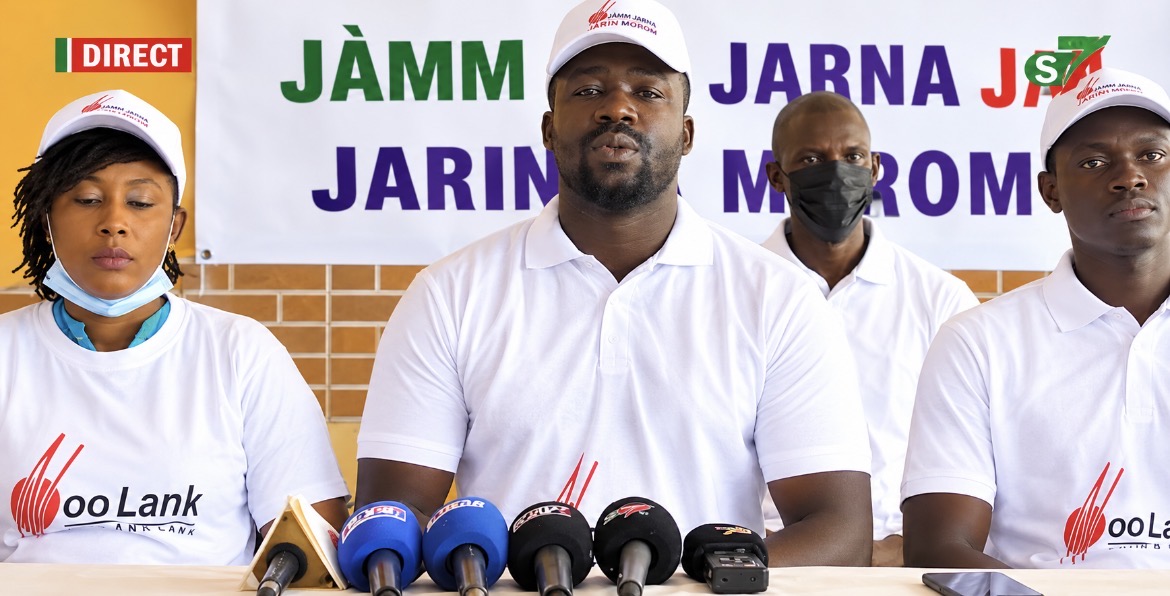
Noo Lank Demands Calendrier Réforme Électrique Sénégal
Summary
- Noo Lank is demanding a precise calendar for the electrical reform in Senegal, as stipulated by Law n° 2021-31.
- This reform involves transforming SENELEC into a holding company with three specialized subsidiaries for production, transmission, and distribution-sale.
- The collective also seeks clear timelines for structural projects like Yaakaar-Teranga and the publication of the Integrated Least Cost Plan.
- Noo Lank calls for an independent audit of the Energy Sector Support Fund and its transfer from the Ministry of Finance to the Ministry of Energy.
- These demands arise amidst recent power outages and highlight concerns over predictable and transparent energy governance in Senegal.
Calls for Clarity on Senegal's Electrical Reform
Lawyers advising clients involved in Senegal's energy sector should closely monitor the government's response to these demands for a precise calendar for the electrical reform outlined in Law n° 2021-31, as this will dictate the timeline for the restructuring of SENELEC into a holding company and its subsidiaries.
Recent weeks have seen Senegal grappling with widespread power outages, prompting a collective known as Noo Lank to intensify its calls for more predictable and transparent energy governance. The group has expressed dissatisfaction with the technical explanations provided by SENELEC, the national electricity company, and is now demanding a clear roadmap for the sector's future. Central to their demands is the urgent need for a precise calendar outlining the implementation of the electrical reform mandated by Law n° 2021-31.
This pivotal legislation, referred to as `loi n° 2021-31 Sénégal électricité`, envisions a significant restructuring of the national utility. Under the provisions of Law n° 2021-31, the existing SENELEC structure is slated for transformation into a holding company, which will then oversee three distinct subsidiaries. These new entities are designed to specialize in the core functions of the electricity sector: one for production, another for transmission, and a third dedicated to the distribution and sale of electricity. Noo Lank's insistence on a detailed `Noo Lank calendrier réforme électrique Sénégal` for this `réforme secteur électricité SENELEC` underscores the critical need for stakeholders to understand the timeline for the `holding SENELEC création calendrier` and the subsequent operational changes.
Demands for Project Timelines and Financial Transparency
Beyond the overarching structural reform, Noo Lank has also pressed the government for specific timelines concerning other crucial infrastructure projects. They are particularly keen on obtaining a precise calendar for key structural initiatives, including Yaakaar-Teranga, which has been identified as a cornerstone of the nation's "gas-to-power" strategy. The collective has highlighted an operational concern, noting that the West African Energy plant is currently relying on gasoil for its operations, pending the availability of natural gas.
Further emphasizing their commitment to `gouvernance énergétique Sénégal audit` and transparency, Noo Lank has called for a significant administrative change regarding the Energy Sector Support Fund (Fonds de soutien au secteur de l’énergie). Currently, this fund operates under the purview of the Ministry of Finance and Budget. Noo Lank advocates for its transfer to the direct supervision of the Ministry of Energy, arguing for a more integrated approach to energy sector financing. Additionally, they demand an independent audit of the fund and the public disclosure of information pertaining to how its resources are utilized. These specific demands were brought to light by reports from Senegal7.
The Integrated Least Cost Plan and Broader Accountability
Another key area of concern for Noo Lank revolves around the `Plan intégré à moindre coût Sénégal`. The collective is urging the government to publish this Integrated Least Cost Plan, along with a comprehensive update on its progress status. The decree establishing this plan is dated August 12, 2024, indicating its recent formalization. The absence of public access to such a foundational document, coupled with the lack of progress reports, contributes to the broader perception of a lack of transparency in energy sector planning.
Strategic Implications for Senegal's Energy Sector
The ongoing dialogue initiated by Noo Lank carries significant implications for the future trajectory of Senegal's energy sector. The clarity sought on the `Noo Lank calendrier réforme électrique Sénégal` is not merely an administrative detail; it is a fundamental requirement for strategic planning across the industry. Lawyers advising clients involved in Senegal's energy sector should closely monitor the government's response to these demands for a precise calendar for the electrical reform outlined in Law n° 2021-31, as this will dictate the timeline for the restructuring of SENELEC into a holding company and its subsidiaries.
This information is critical for investment decisions, operational adjustments, and ensuring compliance within the evolving regulatory framework for power generation, transmission, and distribution. The implementation of `loi n° 2021-31 Sénégal électricité` and the subsequent `holding SENELEC création calendrier` will reshape the competitive landscape and regulatory environment. Without a clear timeline and transparent execution, potential investors and existing operators face considerable uncertainty, which could hinder the very development and modernization efforts the reform aims to achieve. The calls for an independent `gouvernance énergétique Sénégal audit` and the publication of the `Plan intégré à moindre coût Sénégal` further underscore the need for robust oversight and public confidence in the nation's energy strategy.
Practical Implications
Lawyers advising clients in Senegal's energy sector should closely monitor the government's response to Noo Lank's demands for a precise calendar for the electrical reform outlined in Law n° 2021-31, as this will dictate the timeline for the restructuring of SENELEC into a holding company and its subsidiaries. This information is critical for strategic planning, investment decisions, and ensuring compliance with the evolving regulatory framework in power generation, transmission, and distribution.
Source
How does this affect you?
Get an AI analysis of this article grounded in your jurisdictions, practice areas, and any policy documents you've uploaded to Wansom.
Finish Reading the Full Story and the Expert Analysis.
Get the latest legal & regulatory intelligence in Senegal
Wansom is AI and can make mistakes.