
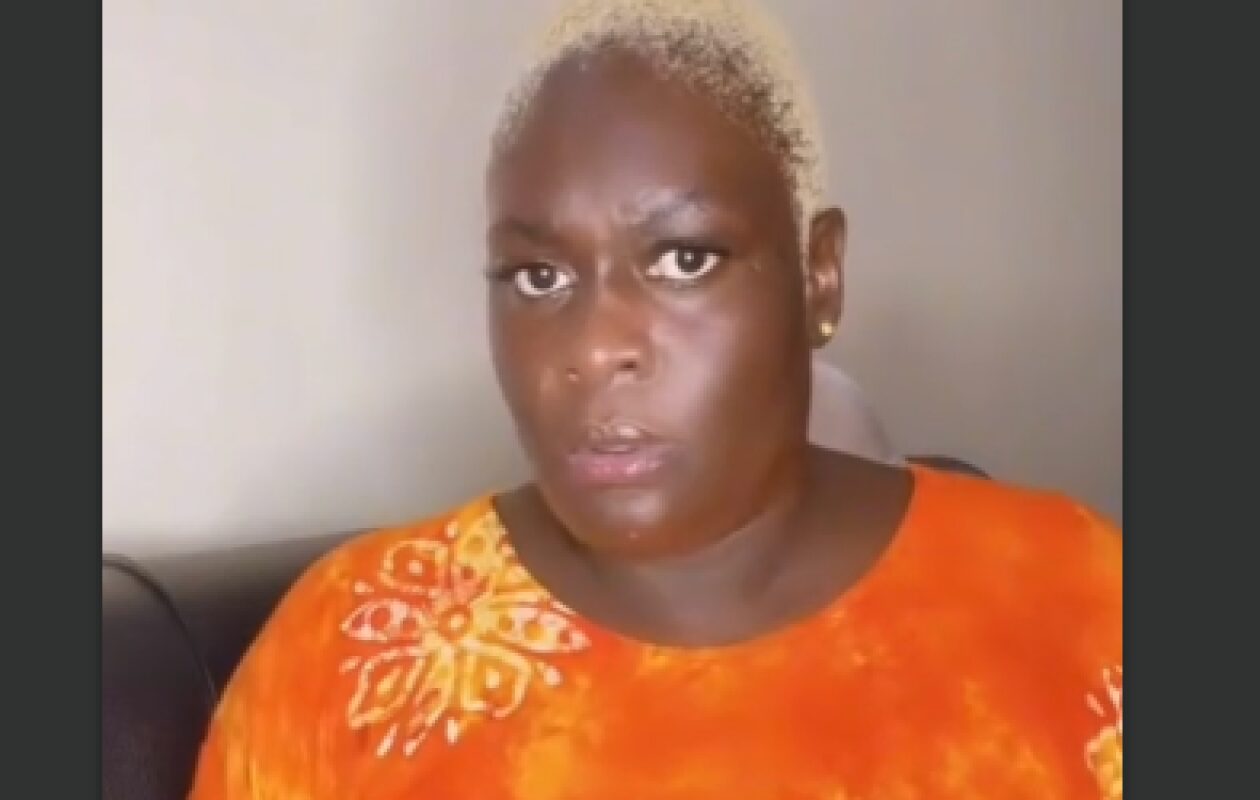
Nogaye Kara: Mandat de Dépôt Issued, Faces Charges in Senegal
Summary
- Tiktokeuse Nogaye Dieng, also known as Nogaye Kara, has been placed under a mandat de dépôt.
- She appeared before Public Prosecutor Saliou Dicko on Wednesday.
- Her trial is scheduled for October 19 at the tribunal des flagrants délits of Pikine-Guédiawaye.
- She faces charges of discours contraires aux bonnes mœurs and injures publiques.
- This case highlights the legal scrutiny of online speech in Senegal.
Legal Proceedings Against Tiktokeuse Nogaye Kara
For legal professionals, this situation underscores the critical need to advise clients, especially those engaged in public-facing roles or social media influencing, on the potential legal ramifications of their online content.
Nogaye Dieng, widely recognized by her online persona Nogaye Kara, a prominent tiktokeuse, has recently been placed under a mandat de dépôt following her appearance before Public Prosecutor Saliou Dicko. This significant development occurred on Wednesday, marking a critical turn in her legal situation. The decision to issue a mandat de dépôt means that Ms. Dieng will remain in custody pending her upcoming trial, underscoring the seriousness with which the authorities are treating the allegations against her. The legal process is now set to move forward with a definitive court date.
The popular online personality is slated to face judgment on October 19. Her case will be heard before the tribunal des flagrants délits of Pikine-Guédiawaye, a court specializing in expedited proceedings for clear-cut offenses. The charges leveled against Nogaye Kara are specific and carry considerable weight within the Senegalese legal framework: discours contraires aux bonnes mœurs and injures publiques. These accusations relate to the content of her public statements, likely disseminated through her social media platforms, which are now under judicial scrutiny. The upcoming tiktokeuse Nogaye Kara jugement will be closely watched by many.
Understanding the Charges in Senegal
The charges of discours contraires aux bonnes mœurs and injures publiques are central to the case involving Nogaye Kara. In Senegal, discours contraires aux bonnes mœurs refers to public statements or expressions deemed to violate societal norms, decency, or public morality. This legal concept is often applied to content considered offensive, indecent, or disruptive to public order, reflecting a cultural emphasis on maintaining social harmony and respect. The interpretation of what constitutes 'good morals' can be broad, making it a significant legal provision for public figures and online content creators.
Concurrently, the accusation of injures publiques Sénégal addresses the act of publicly insulting or defaming an individual or group. This charge protects individuals from reputational harm caused by derogatory or offensive remarks made in a public forum, including digital platforms. When combined, discours contraires aux bonnes mœurs Sénégal and injures publiques Sénégal represent a robust legal framework designed to regulate public discourse and prevent speech that could be seen as harmful or disruptive to social cohesion. The application of these laws to a high-profile tiktokeuse like Nogaye Dieng highlights the evolving challenges of online expression within traditional legal boundaries.
Implications for Online Speech
The ongoing legal proceedings against Nogaye Dieng, known as Nogaye Kara, and her placement under a mandat de dépôt, carry significant implications for online speech and content creation in Senegal. This case serves as a stark reminder of the legal boundaries that govern public expression, particularly for individuals with a substantial online following. The upcoming trial and its outcome will likely set a precedent or at least provide further clarity on how Senegalese courts interpret and apply laws concerning discours contraires aux bonnes mœurs and injures publiques in the digital age.
For legal professionals, this situation underscores the critical need to advise clients, especially those engaged in public-facing roles or social media influencing, on the potential legal ramifications of their online content. Understanding the nuances of discours contraires aux bonnes mœurs Sénégal and injures publiques Sénégal is paramount to mitigating risks. The tiktokeuse Nogaye Kara jugement will undoubtedly draw attention to the responsibilities that come with public platforms and the potential for legal action when online speech is perceived to cross established legal and moral lines. This case highlights the importance of careful consideration and legal counsel for anyone navigating the complex landscape of digital communication in the country.
Practical Implications
Lawyers should advise clients on the legal boundaries of online speech in Senegal, particularly regarding 'discours contraires aux bonnes mœurs' and 'injures publiques', to mitigate risks highlighted by this high-profile case involving a public figure.
Source
How does this affect you?
Get an AI analysis of this article grounded in your jurisdictions, practice areas, and any policy documents you've uploaded to Wansom.
Finish Reading the Full Story and the Expert Analysis.
Get the latest legal & regulatory intelligence in Senegal
Wansom is AI and can make mistakes.