
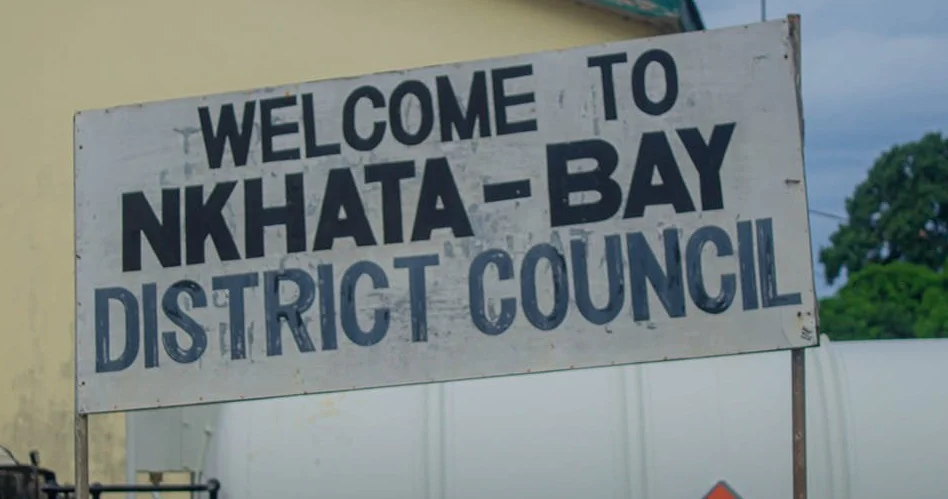
Nkhata Bay Council: Withdraws Road Barrier Fees Amid Public Pressure
Summary
- The Nkhata Bay District Council has temporarily suspended its plan to reintroduce road barrier fees.
- These fees were intended for taxi and motorcycle operators and were set to resume from September 1, 2026.
- The charges were to be collected at two roadblocks located in Mkwiya, near Farmers World.
- The suspension followed concerns regarding the decision-making process and pressure from affected stakeholders.
- This outcome highlights the importance of due process and stakeholder consultation for local government levies in Malawi.
Nkhata Bay Council Halts Road Barrier Fees
The successful challenge to the Nkhata Bay District Council's fees underscores the critical importance of proper due process and comprehensive stakeholder consultation before implementing financial burdens on the public.
The Nkhata Bay District Council in Malawi has recently announced the temporary suspension of its plans to reintroduce road barrier fees. This decision impacts operators of taxis and motorcycles, who were previously slated to resume paying these charges. The council's move comes after a period of significant public scrutiny and engagement from various stakeholders.
Initially, the local authority had communicated its intention to reinstate the collection of these fees starting from September 1, 2026. The charges were to be levied at two specific roadblocks situated in the Mkwiya area, notably near the Farmers World establishment. However, this reintroduction will now not proceed as originally planned, at least for the foreseeable future, following the council's recent reversal.
Concerns Over Due Process Prompt Suspension
The council's decision to withdraw the fees was not made in isolation but was directly influenced by a combination of factors, primarily centering on the procedural aspects of its initial announcement. Significant concerns were raised regarding the manner in which the decision to reintroduce the charges was made, suggesting a lack of adequate consultation or adherence to established protocols.
Furthermore, the local government body faced considerable pressure from affected stakeholders, particularly the taxi and motorcycle operators who would have been directly impacted by the renewed levies. This collective pushback, highlighting perceived deficiencies in the decision-making process, ultimately led the Nkhata Bay District Council to reconsider and subsequently suspend the implementation of the road barrier fees.
Implications for Local Governance and Fee Imposition
This development in Nkhata Bay carries broader implications for local governance across Malawi, particularly concerning the imposition of new fees or the reintroduction of dormant ones by district councils. The successful challenge to the Nkhata Bay District Council's fees underscores the critical importance of proper due process and comprehensive stakeholder consultation before implementing financial burdens on the public.
The outcome serves as a significant precedent, indicating that decisions made without transparent procedures and engagement can be effectively overturned. It highlights that local councils, when considering new levies such as Nkhata Bay District Council fees, must ensure procedural correctness and robust public involvement to avoid challenges and ensure the legitimacy of their financial decisions. This case could empower other communities facing similar Malawi local council fee challenges to advocate for their rights.
Practical Implications
Lawyers advising local councils or affected businesses in Malawi should note this case as a precedent for challenging fee imposition without proper due process and stakeholder consultation, indicating that such decisions can be successfully overturned. It underscores the importance of procedural correctness for local government levies.
Source
Source: Original reporting via Malawi24
How does this affect you?
Get an AI analysis of this article grounded in your jurisdictions, practice areas, and any policy documents you've uploaded to Wansom.
Finish Reading the Full Expert Analysis.
Wansom is AI and can make mistakes.