
Malawi Water Boards 70% Tariff Hike Approved Conditionally
Summary
- Malawi's water boards have received approval for a 70% tariff hike, subject to strict conditions.
- President Peter Mutharika initially rejected the proposal due to concerns over operational inefficiencies.
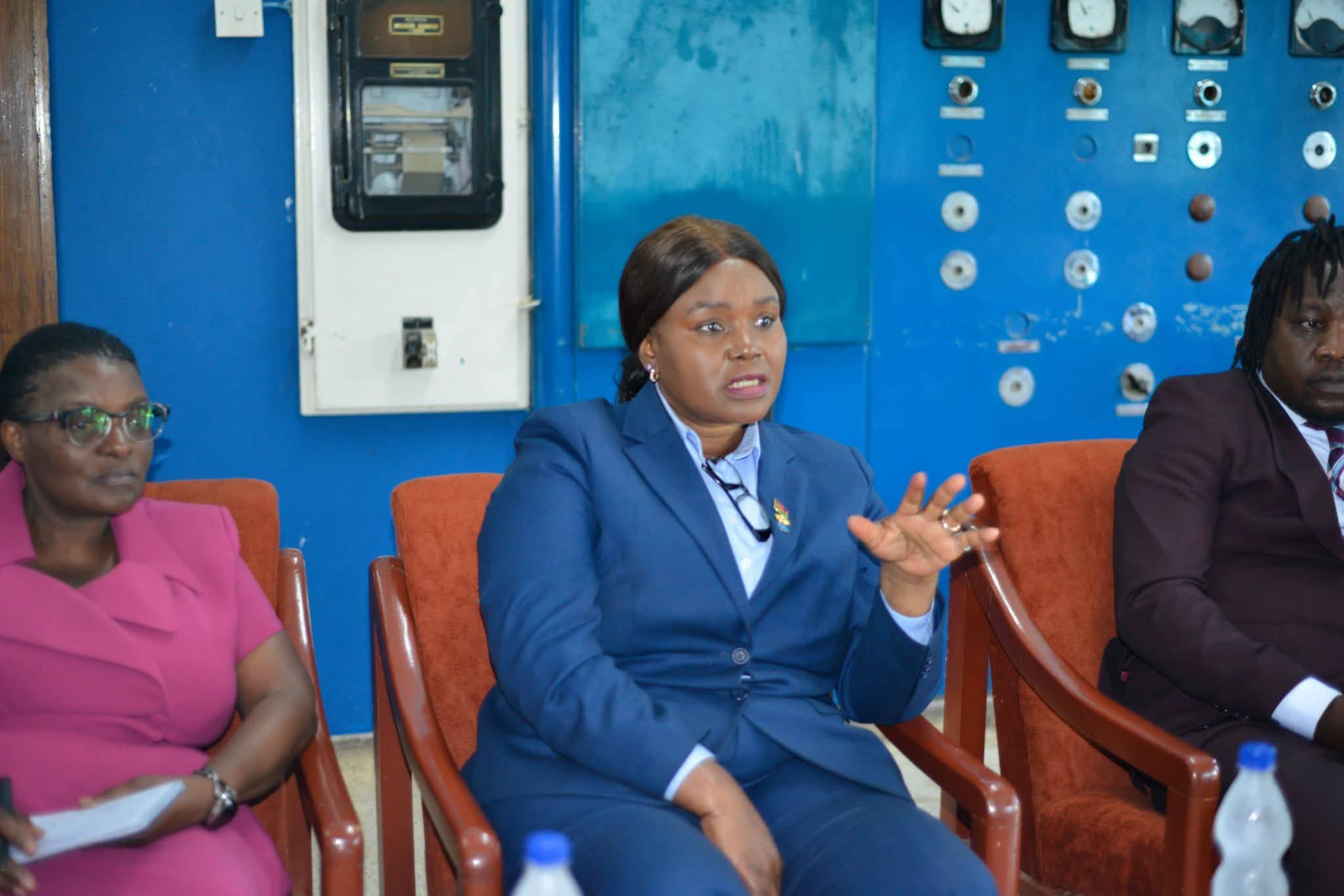
- Minister Roza Mbilizi announced the conditional approval after touring the Blantyre Water Board's water intake.
- The approval aims to address financial sustainability while compelling water boards to improve service delivery.
- Erratic water supply has been identified as a factor undermining public confidence in the utility providers.
Malawi Water Tariffs See Significant Hike
The approval marks a critical juncture for the nation's water sector, balancing the need for financial sustainability with public service delivery.
Malawi's water boards have received approval for a substantial 70% increase in their tariffs, a decision accompanied by stringent conditions. This development follows an initial rejection of the proposed hike by President Peter Mutharika, who expressed significant concerns regarding operational inefficiencies within the utility providers. The approval marks a critical juncture for the nation's water sector, balancing the need for financial sustainability with public service delivery.
The revelation of the President's initial stance came from Roza Mbilizi, the Minister of Agriculture, Irrigation and Water Development. Her comments were made during an interview conducted after she toured the Blantyre Water Board (BWB) water intake facility. The Minister's disclosure underscores the high-level scrutiny applied to the proposed Malawi water boards 70% tariff hike, highlighting the government's awareness of public sentiment and the operational challenges faced by these essential service providers.
Regulatory Scrutiny and Conditions
The approval of the Malawi water bill increase conditions indicates a shift from outright rejection to a conditional endorsement, signaling a more robust approach to Malawi utility price regulation. President Mutharika's initial refusal was directly linked to documented inefficiencies, suggesting that the subsequent approval is contingent upon the water boards addressing these systemic issues. This regulatory posture aims to ensure that the tariff hike translates into improved service delivery rather than merely covering existing operational shortcomings.
The strict conditions attached to the Blantyre Water Board tariff approval, and presumably to other water boards, are a direct response to the President's concerns. While the specifics of these conditions were not detailed, their imposition implies a mandate for greater accountability and performance improvement. The Minister, Roza Mbilizi, water tariffs Malawi, has effectively communicated that the government expects tangible improvements in exchange for the increased revenue, particularly in light of the public's experience with erratic supply, which has been cited as undermining public confidence.
Impact and Future Outlook
The 70% tariff hike is set to significantly impact consumers and businesses across Malawi, necessitating careful financial planning for increased water bills. However, the accompanying strict conditions suggest a dual objective: to bolster the financial health of the water boards while simultaneously compelling them to enhance efficiency and reliability. This approach aims to mitigate the negative public perception often associated with utility price increases, especially when service quality remains a concern.
This development may signal increased regulatory scrutiny on utility efficiency and service delivery, potentially impacting service level agreements or public interest litigation. Lawyers advising businesses or large consumers in Malawi should review the specific conditions attached to these water tariff hikes to assess potential cost increases and compliance obligations. The government's emphasis on addressing inefficiencies, as highlighted by President Mutharika's water bill rejection, indicates a long-term commitment to improving the overall quality and consistency of water supply, which is crucial for both public health and economic stability.
Practical Implications
Lawyers advising businesses or large consumers in Malawi should review the specific conditions attached to these water tariff hikes to assess potential cost increases and compliance obligations. This development may also signal increased regulatory scrutiny on utility efficiency and service delivery, potentially impacting service level agreements or public interest litigation.
Source
How does this affect you?
Get an AI analysis of this article grounded in your jurisdictions, practice areas, and any policy documents you've uploaded to Wansom.
Finish Reading the Full Expert Analysis.
Wansom is AI and can make mistakes.