
Malawi Chikangawa Crash Inquiry: Chavunguma Says Mzuzu Landing Possible
Summary
- A parliamentary inquiry is investigating the Chikangawa plane crash that killed Vice-President Saulos Chilima and eight others.
- Former weather station chief Olive Chavunguma testified that the military aircraft could have landed safely at Mzuzu Airport on the morning of the tragedy.
- Chavunguma's testimony, described as explosive, introduces conflicting visibility reports to the ongoing investigation.
- The inquiry is now faced with the task of reconciling these differing accounts regarding the Mzuzu Airport landing conditions.
Ongoing Inquiry into Tragic Air Accident
Chavunguma asserted that, contrary to potential prevailing narratives, the military aircraft involved in the incident could, in fact, have executed a safe landing at Mzuzu Airport.
A parliamentary inquiry is currently underway in Malawi, meticulously investigating the Chikangawa plane crash that tragically claimed the lives of Vice-President Saulos Chilima and eight other individuals. This high-profile investigation aims to uncover the full circumstances surrounding the incident, which has deeply impacted the nation. The inquiry's proceedings have recently taken a significant turn with the introduction of new, potentially contradictory evidence regarding the conditions at the time of the crash.
The Chikangawa military aircraft investigation is scrutinizing all factors that may have contributed to the accident. As part of its comprehensive review, the committee is hearing from various experts and witnesses, gathering crucial information to piece together the events of that fateful morning. The testimony presented to the inquiry is critical for establishing a clear understanding of the operational environment and decision-making processes leading up to the crash.
Explosive Visibility Testimony Emerges
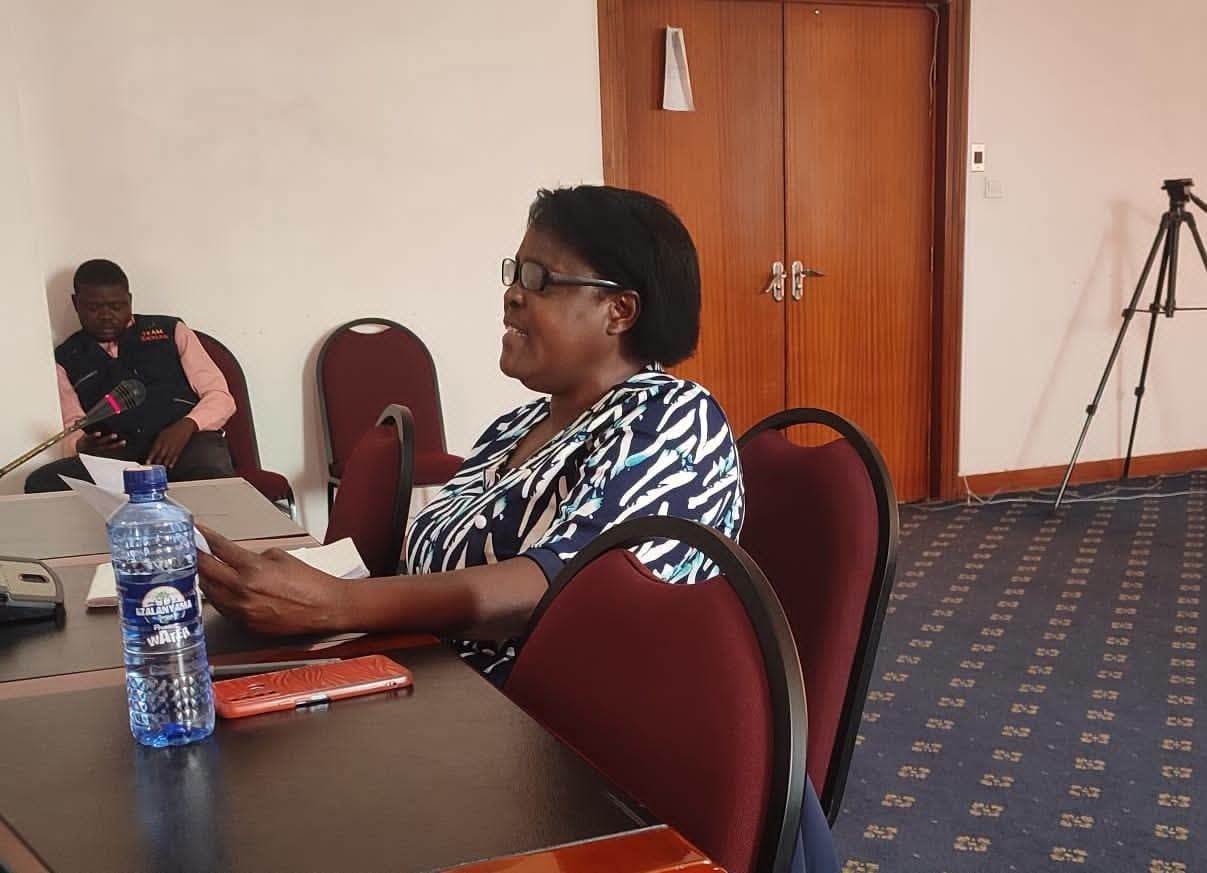
In a development described as explosive, Olive Chavunguma, a former weather station chief who had also served as an officer-in-charge, recently provided testimony to the parliamentary committee. Her statements directly challenge previous assumptions or reports concerning the Mzuzu Airport landing conditions on the morning of the tragedy. Chavunguma asserted that, contrary to potential prevailing narratives, the military aircraft involved in the incident could, in fact, have executed a safe landing at Mzuzu Airport.
This Olive Chavunguma visibility testimony introduces a critical new perspective into the Malawi aviation accident inquiry. Her professional background as a weather expert lends significant weight to her claims, prompting the inquiry to carefully consider the implications of her assessment. The assertion that a safe landing was possible at Mzuzu Airport on the morning of the crash adds a complex layer to the ongoing Saulos Chilima plane crash inquiry, demanding thorough examination of all available meteorological data and operational protocols.
Conflicting Reports Challenge Investigation
The parliamentary committee investigating the Malawi Chikangawa crash inquiry Chavunguma's testimony is now grappling with what are being described as conflicting visibility reports. The former weather chief's account directly contrasts with other information or assumptions that may have been guiding the investigation, particularly regarding the atmospheric conditions and the feasibility of landing at Mzuzu Airport. This divergence in expert opinion necessitates a rigorous re-evaluation of all data pertaining to weather and visibility at the time of the incident.
The challenge for the inquiry now lies in reconciling these disparate accounts and determining the most accurate representation of the Mzuzu Airport landing conditions report. The integrity of the entire Chikangawa military aircraft investigation hinges on its ability to thoroughly vet and weigh all evidence, especially when faced with such significant discrepancies. Understanding why these conflicting reports exist will be paramount to reaching a credible conclusion regarding the causes of the tragic accident.
Practical Implications
Lawyers involved in aviation litigation, insurance claims, or government accountability cases should closely monitor this inquiry for precedents on handling conflicting expert testimony and weather data in accident investigations, particularly concerning operational decisions and potential liability.
Source
How does this affect you?
Get an AI analysis of this article grounded in your jurisdictions, practice areas, and any policy documents you've uploaded to Wansom.
Finish this article free. Just your email for instant unlock.
Wansom is AI and can make mistakes.