
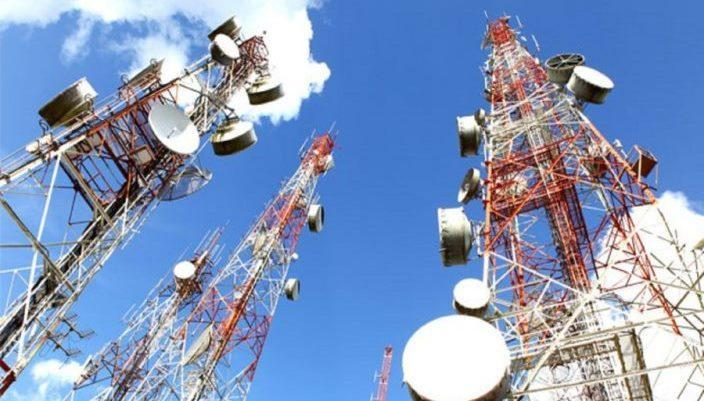
Nigerian Reps: Telecom CEO Summons Issued Over Poor Network Quality
Summary
- The Nigerian House of Representatives has summoned telecommunications company chief executives over poor network quality.
- This action highlights widespread and persistent frustration among subscribers regarding telecom services.
- The situation has involved threats of arrest and disputes over the executives' appearance before lawmakers.
- The legislative inquiry presents an opportunity to address structural problems within the telecommunications industry.
What Prompted the Summons
The parliamentary body's intervention underscores a growing public outcry over unreliable connections, dropped calls, and slow internet speeds, reflecting a deep-seated frustration among subscribers.
The Nigerian House of Representatives has recently initiated a significant inquiry into the nation's telecommunications sector, issuing summonses to the chief executives of various telecom companies, which has since led to an ultimatum for their appearance on November 4, 2026, following their failure to honor earlier invitations. This legislative action, widely referred to as the Nigerian Reps telecom CEO summons, stems directly from widespread and persistent complaints regarding the deteriorating quality of network services across the country. The parliamentary body's intervention underscores a growing public outcry over unreliable connections, dropped calls, and slow internet speeds, reflecting a deep-seated frustration among subscribers.
This move by the House of Representatives highlights the critical need for improved service delivery within the telecommunications industry. The summonses are a direct response to the daily challenges faced by millions of Nigerians who rely on these services for communication, business, and education. The legislative body aims to address these critical telecom service issues Nigeria has been experiencing, seeking accountability from the top leadership of the service providers.
Legislative Confrontation and Disputes
The process surrounding the House of Representatives telecom inquiry has not been without its challenges. Reports indicate that the parliamentary proceedings have been marked by threats of arrest directed at the telecom executives, emphasizing the seriousness with which the lawmakers view the issue of poor network quality. Furthermore, these parliamentary proceedings have been marked by notable disputes concerning the actual appearance of these chief executives before the legislative committee, with a final ultimatum issued for their appearance on November 4, 2026, under threat of arrest warrants, underscoring a potential standoff between the industry leaders and the parliamentary oversight body.
Such confrontations underscore the tension inherent in legislative oversight when powerful private sector entities are called to account. The House of Representatives is asserting its authority to ensure that critical public services meet acceptable standards, while the industry navigates the demands of parliamentary scrutiny. This dynamic interaction is crucial for understanding the broader implications of the current situation for both regulatory compliance and corporate governance within the Nigerian telecom landscape.
Addressing Underlying Sector Challenges
Beyond the immediate issue of executive appearances and network quality, the ongoing legislative scrutiny presents a pivotal opportunity to delve into the more fundamental, structural problems affecting Nigeria's telecommunications industry. The current episode, triggered by the Nigerian Reps telecom CEO summons, serves as a catalyst for a comprehensive review of the factors contributing to the persistent service issues. This includes examining infrastructure deficits, regulatory frameworks, and operational efficiencies that collectively impact the user experience.
By focusing on these deeper, systemic challenges, the House of Representatives can move beyond merely addressing symptoms to fostering long-term solutions. This could lead to policy recommendations or legislative reforms aimed at strengthening the sector's foundational elements, ultimately benefiting consumers through more robust and reliable services. The current spotlight on telecom service issues Nigeria faces could therefore pave the way for significant industry-wide improvements.
Implications for Consumer Protection
The parliamentary intervention directly addresses the core concerns of Nigerian consumer protection telecom advocates. The persistent frustration of subscribers, which prompted the House of Representatives to act, underscores the need for stronger mechanisms to safeguard consumer interests. The legislative body's engagement signals a commitment to ensuring that service providers are held accountable for the quality of their offerings and that consumers receive value for their money.
This heightened legislative attention could lead to more stringent regulatory actions by bodies like the Nigerian Communications Commission (NCC) in the future, pushing for better adherence to service level agreements and improved network performance standards. The ongoing inquiry, therefore, represents a critical moment for reinforcing consumer rights and potentially reshaping the regulatory landscape to prioritize subscriber satisfaction and service quality.
Practical Implications
Lawyers advising telecommunications companies in Nigeria should prepare for increased legislative scrutiny and potential regulatory action regarding service quality standards. Compliance officers must ensure robust internal monitoring of network performance to mitigate risks associated with legislative inquiries and consumer complaints, and to advise on engagement strategies with parliamentary committees.
Source
How does this affect you?
Get an AI analysis of this article grounded in your jurisdictions, practice areas, and any policy documents you've uploaded to Wansom.
Finish Reading the Full Story and the Expert Analysis.
Wansom is AI and can make mistakes.