
Nigerian Reps: Dismiss Dagazau Allegations of Conflict, Money Laundering
Summary
- The Nigerian House of Representatives dismissed a petition against NNPC Executive Vice President Dagazau.
- The petition had alleged conflict of interest and money laundering against Dagazau.
- Concurrently, the House passed a vote of confidence in President Bola Ahmed Tinubu.
- A vote of confidence was also given to the leadership of the NNPC.
- These legislative actions signal parliamentary support for the Tinubu administration and the national oil company's management.
Legislative Developments in Abuja
The legislative outcome was a definitive dismissal of the petition, thereby rejecting the conflict of interest money laundering allegations Nigeria had seen directed at Dagazau.
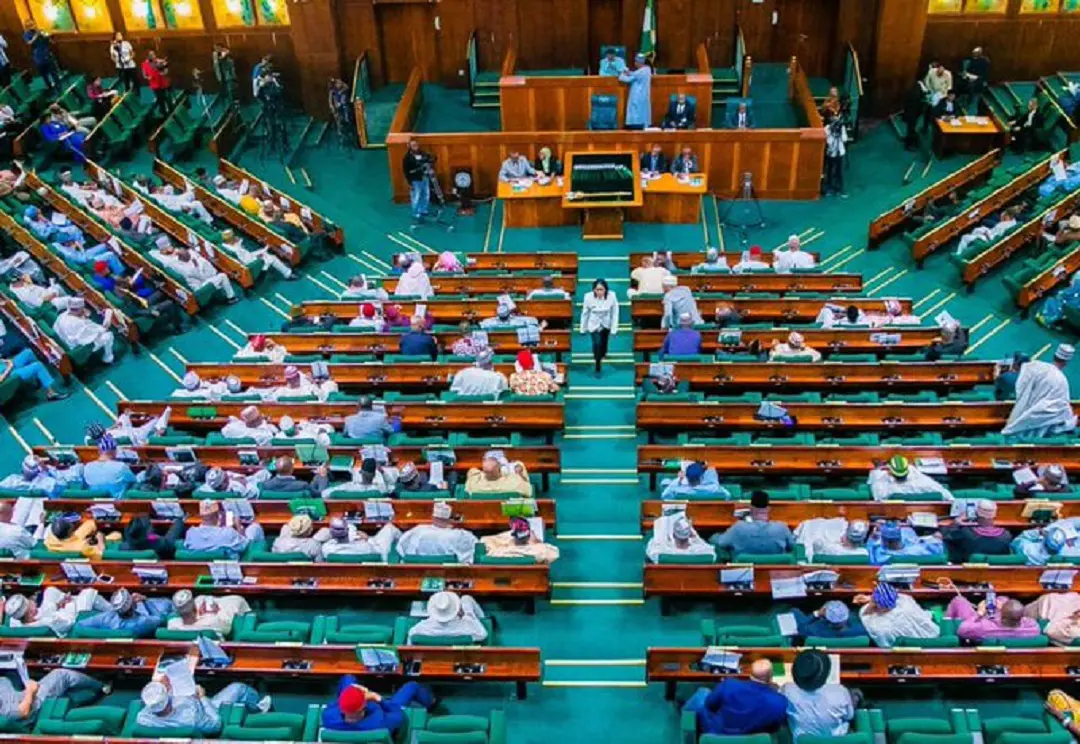
The Nigerian House of Representatives recently took significant actions concerning the leadership of the Nigerian National Petroleum Company (NNPC) Limited, specifically addressing allegations against its Executive Vice President, Dagazau. In a notable move, the legislative body formally dismissed a petition that had leveled serious accusations against the NNPC Executive Vice President Dagazau. This decision by the Nigeria House of Representatives effectively cleared the official of the claims brought against him.
Concurrently with this dismissal, the House of Representatives also extended a vote of confidence to President Bola Ahmed Tinubu. This parliamentary endorsement signals support for the current administration's leadership. Furthermore, the legislative body also passed a vote of confidence in the overall leadership of the NNPC, indicating a broader backing for the national oil company's management under the Tinubu administration.
Dismissal of Serious Allegations
The petition that was brought before the House of Representatives contained specific and grave accusations. It alleged that NNPC Executive Vice President Dagazau was involved in instances of conflict of interest. Additionally, the petition included claims of money laundering, presenting a dual challenge to the integrity of the high-ranking NNPC official.
Following deliberations, the Nigeria House of Representatives concluded its review of these matters. The legislative outcome was a definitive dismissal of the petition, thereby rejecting the conflict of interest money laundering allegations Nigeria had seen directed at Dagazau. This legislative clearance means the allegations will not proceed further within the House's purview.
Parliamentary Endorsement and Support
Beyond the specific case involving Executive Vice President Dagazau, the House of Representatives' actions underscored a broader theme of support for the nation's leadership. The vote of confidence in President Tinubu highlights parliamentary backing for his governance agenda and policies. Such a vote is a significant political gesture, often indicating a period of stability or approval from the legislative arm.
Similarly, the vote of confidence extended to the "NNPC boss" — referring to the leadership of the national oil company — signifies the legislature's approval of the strategic direction and operational integrity of the NNPC. This collective show of support from the Nigeria House of Representatives is crucial for reinforcing the Tinubu administration NNPC support, providing a legislative stamp of approval for the key parastatal and its executive team.
Implications for Governance and Due Diligence
The dismissal of the conflict of interest money laundering allegations Nigeria saw against NNPC Executive Vice President Dagazau carries important implications for the country's governance and for entities engaging with the NNPC. This legislative decision provides a measure of official clearance for Dagazau regarding these specific claims, potentially influencing perceptions of stability within the national oil company's executive ranks.
For stakeholders, including legal and compliance professionals, this development indicates the Nigerian House of Representatives' current stance on allegations against a key NNPC executive. While this legislative clearance is notable, it also underscores the dynamic nature of oversight in Nigeria's public sector. The combined actions of dismissing the petition and issuing votes of confidence reflect a consolidated legislative position on both individual executive conduct and broader institutional leadership.
Practical Implications
This development indicates the Nigerian House of Representatives' current stance on allegations against a key NNPC executive. Lawyers advising clients on due diligence, compliance, or engagement with NNPC should note this legislative clearance, while remaining vigilant for any future re-emergence of similar concerns or alternative investigative actions.
Source
How does this affect you?
Get an AI analysis of this article grounded in your jurisdictions, practice areas, and any policy documents you've uploaded to Wansom.
Finish Reading the Full Story and the Expert Analysis.
Wansom is AI and can make mistakes.