
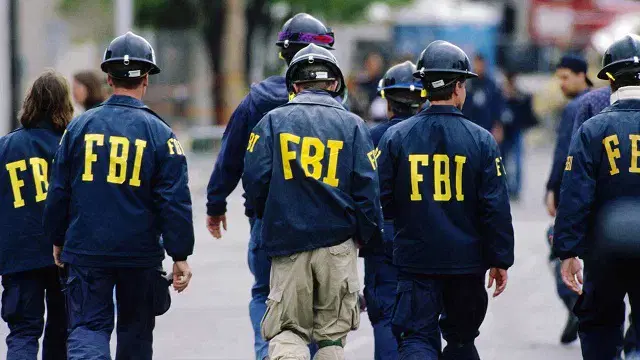
FBI Nigeria: $11M Fraud Crackdown Leads to 9 Arrests
Summary
- The FBI arrested nine suspects in Nigeria as part of a new fraud crackdown.
- Authorities successfully tracked $11 million in illicit funds linked to the operation.
- The US Mission in Nigeria announced this significant breakthrough in combating transnational cybercrime.
- The enforcement actions highlight a heightened focus on anti-money laundering and financial crime compliance in the region.
- This crackdown signals increased scrutiny from US authorities on international financial operations.
Recent Enforcement Actions
Robust financial crime compliance Nigeria frameworks are no longer merely advisable but have become an imperative.
A significant development in the ongoing battle against financial malfeasance has seen the Federal Bureau of Investigation (FBI) apprehend nine individuals within Nigeria. These arrests are a direct outcome of a renewed and intensified FBI Nigeria $11m fraud crackdown, specifically targeting sophisticated cybercrime networks operating across international borders. The operation successfully identified and tracked approximately $11 million in illicit funds, underscoring the scale of the financial schemes involved.
The breakthrough was formally announced by the US Mission in Nigeria, highlighting a concerted effort to disrupt and dismantle criminal enterprises. This series of FBI Nigeria cybercrime arrests represents a critical step in addressing the pervasive challenge of online fraud, which often victimizes individuals and businesses globally. The coordinated action demonstrates a heightened commitment to pursuing those who exploit digital platforms for financial gain, regardless of their geographical location.
Broader Context of Transnational Cybercrime
The recent enforcement actions are part of a broader strategy to combat transnational fraud enforcement Nigeria, a persistent issue that has drawn significant attention from international law enforcement agencies. The US Mission Nigeria fraud statement emphasized the collaborative nature of these operations, which are crucial for effectively tackling criminal networks that leverage global connectivity to execute their schemes. These groups often engage in complex financial maneuvers, making their detection and prosecution particularly challenging.
Efforts to curb such activities require robust intelligence sharing and coordinated legal frameworks between nations. The tracking of $11 million in fraudulent proceeds illustrates the substantial financial impact these cybercrimes have, necessitating a continuous and evolving response from authorities. This crackdown reinforces the message that international borders will not serve as a shield for those engaged in illicit financial activities.
Implications for International Financial Operations
This FBI $11 million fraud Nigeria operation signals a period of heightened scrutiny for entities involved in international financial transactions, particularly those with ties to regions identified as high-risk for cybercrime. Lawyers and compliance officers advising clients with global operations, especially those touching Nigeria, should take note of this increased enforcement. The focus on anti-money laundering Nigeria enforcement is intensifying, requiring businesses to re-evaluate and strengthen their existing protocols.
Robust financial crime compliance Nigeria frameworks are no longer merely advisable but have become an imperative. Companies must ensure their due diligence practices are thorough and up-to-date, capable of identifying and mitigating exposure to sophisticated fraud schemes. The ongoing commitment of US authorities to combat these crimes means that organizations must proactively enhance their internal controls to avoid inadvertently facilitating illicit financial flows and to protect themselves from potential regulatory penalties.
Practical Implications
Lawyers and compliance officers advising clients with international financial operations, particularly those involving Nigeria, should note the heightened enforcement against transnational cybercrime. This development signals increased scrutiny from US authorities, necessitating a review of AML/CFT protocols and due diligence practices to mitigate exposure to fraud schemes and potential regulatory action.
Source
How does this affect you?
Get an AI analysis of this article grounded in your jurisdictions, practice areas, and any policy documents you've uploaded to Wansom.
Finish Reading the Full Story and the Expert Analysis.
Wansom is AI and can make mistakes.