
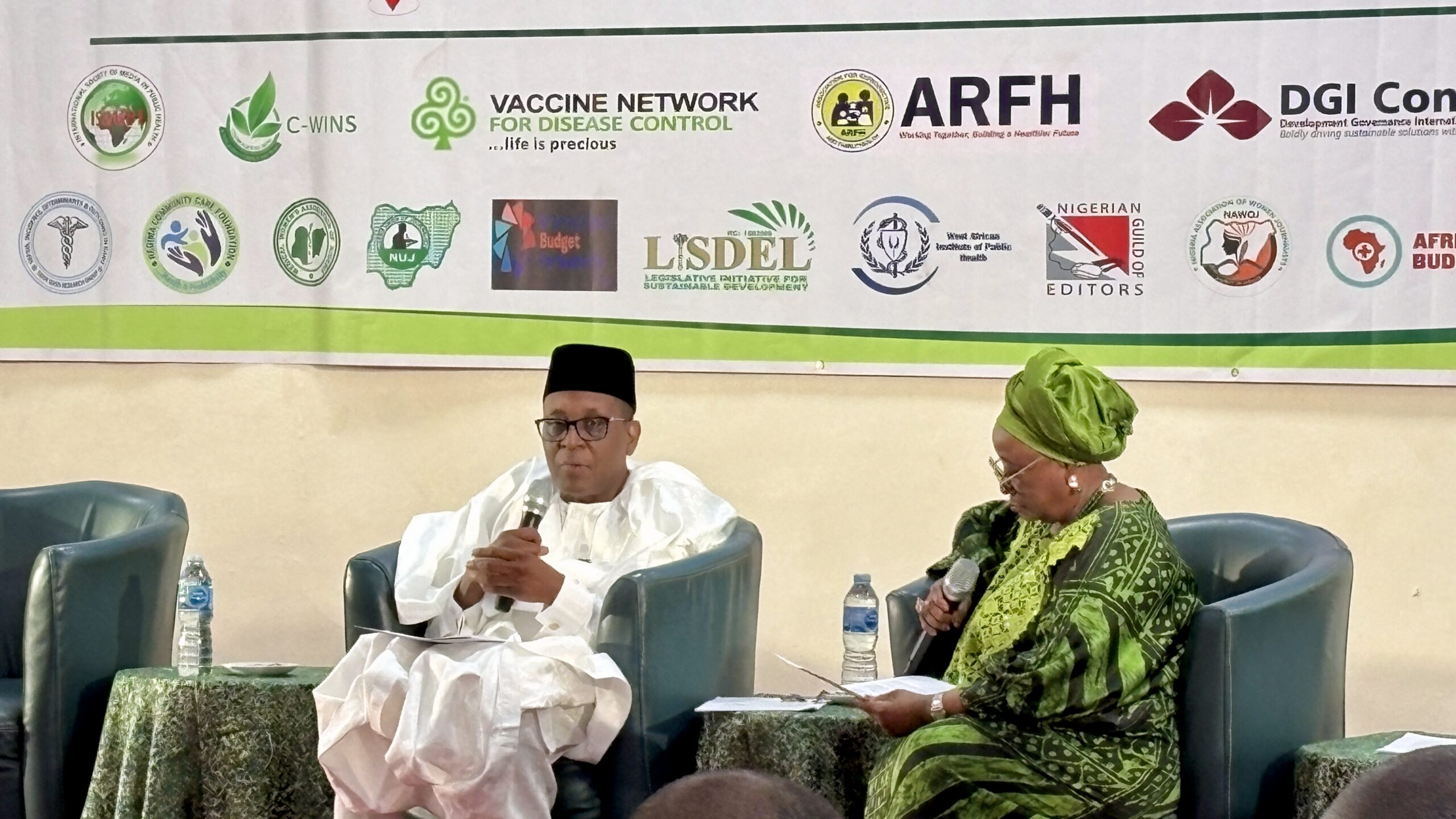
Nigeria Health Financing Tax Reforms: Pate Stresses Critical Role
Summary
- Muhammad Ali Pate, the Coordinating Minister of Health and Social Welfare, stated that tax reforms and economic growth are crucial for Nigeria's health financing.
- This observation was made during a fireside chat in Abuja on Monday.
- The event was co-hosted by the Health Sector Reform Coalition and Nigeria Universal Health Coverage Civil Society Organisations.
- The discussion took place as part of the Mid-Year Review of Nigeria’s Health Sector Reforms.
What Happened
By linking health financing directly to tax reforms and economic growth, Muhammad Ali Pate is articulating a holistic vision where a thriving economy provides the necessary resources, and efficient tax systems ensure these resources are adequately channeled into healthcare.
A key official, Muhammad Ali Pate, the Coordinating Minister of Health and Social Welfare, recently underscored the pivotal role of comprehensive tax reforms and sustained economic growth in securing adequate health financing for Nigeria. This significant observation was made during a fireside chat held in Abuja on Monday, an event that brought together critical stakeholders in the nation's health sector. The discussion formed part of the Mid-Year Review of Nigeria’s Health Sector Reforms, a crucial forum for assessing progress and charting future directions.
The fireside chat was co-hosted by the Health Sector Reform Coalition (HSRC) and the Nigeria Universal Health Coverage (UHC) Civil Society Organisations. These groups represent a broad spectrum of civil society engagement dedicated to improving healthcare access and quality across Nigeria. Mr. Pate's statement, delivered in this influential setting, highlights a strategic focus on leveraging fiscal policy and economic development to bolster the nation's healthcare funding mechanisms, directly addressing the challenges of Nigeria health financing.
Legal and Policy Implications
Muhammad Ali Pate's assertion regarding the criticality of tax reforms for Nigeria's health financing signals a potential shift or intensification of focus within the nation's tax policy landscape. Such pronouncements from officials often precede legislative discussions or policy adjustments aimed at optimizing revenue generation for public services, including healthcare. The emphasis on tax reforms suggests that the government may be exploring new avenues for revenue collection or re-evaluating existing tax structures to ensure a more robust and sustainable funding stream for the health sector. This could involve adjustments to various tax categories, potentially impacting businesses and individuals alike, as part of a broader Nigeria healthcare funding tax policy.
The involvement of the Health Sector Reform Coalition Nigeria and Nigeria UHC Civil Society Organisations in hosting the event further underscores the multi-stakeholder approach to these potential reforms. These civil society groups often play a crucial role in advocating for specific policy changes and ensuring that reforms are equitable and effective. Any future tax policy changes stemming from this strategic direction would likely involve extensive consultation and legislative processes, requiring careful consideration of their legal and economic ramifications. The Mid-Year Review itself serves as a platform for such dialogues, indicating that the path to improved health financing through tax reforms is a collaborative endeavor.
Why It Matters
The official's statement carries substantial weight for the future trajectory of Nigeria's health sector and its broader economic development. By linking health financing directly to tax reforms and economic growth, Muhammad Ali Pate is articulating a holistic vision where a thriving economy provides the necessary resources, and efficient tax systems ensure these resources are adequately channeled into healthcare. This perspective is vital for achieving universal health coverage (UHC), a national priority that requires consistent and substantial investment. The call for robust tax reforms indicates an understanding that current funding models may be insufficient to meet the growing demands of the population and the ambitious goals of health sector improvement.
Furthermore, the emphasis on economic growth highlights the symbiotic relationship between a healthy populace and a productive economy. A stronger Nigeria economic growth health sector can lead to increased tax revenues, which can then be reinvested into healthcare, creating a virtuous cycle. Conversely, inadequate health financing can hinder economic productivity due to a less healthy workforce. Stakeholders, including legal and compliance professionals, should closely monitor developments stemming from this official statement, as potential changes in Nigeria's tax policy could have far-reaching implications for businesses, investment, and the overall socio-economic landscape, all geared towards strengthening Nigeria health financing.
Practical Implications
This statement signals potential future tax policy changes in Nigeria aimed at bolstering health sector financing. Lawyers and compliance officers should advise clients in the health sector or those impacted by Nigerian tax law to monitor upcoming legislative discussions and reforms, as these could affect funding streams, operational costs, or compliance obligations.
Source
How does this affect you?
Get an AI analysis of this article grounded in your jurisdictions, practice areas, and any policy documents you've uploaded to Wansom.
Finish Reading the Full Story and the Expert Analysis.
Get the latest legal & regulatory intelligence in Nigeria
Wansom is AI and can make mistakes.